


Residential Roof Inspection in Denver, CO
Your roof protects everything beneath it, but not every roofing problem is immediately visible. Damaged shingles, deteriorating flashing, loose roofing components, and hidden moisture can develop over time, sometimes without obvious signs inside the home.
At Premier Restoration & Construction, we provide professional residential roof inspections in Denver, Colorado, helping homeowners understand the condition of their roofing systems and identify potential problems before they become more extensive.
Whether your roof has been exposed to hail, strong winds, heavy snowfall, or years of normal weather exposure, a professional inspection can provide valuable information about its condition and the maintenance or repairs it may need.
Our goal is to give homeowners a clear understanding of their roofs so they can make informed decisions about repairs, maintenance, or replacement.
What Does a Residential Roof Inspection Include?
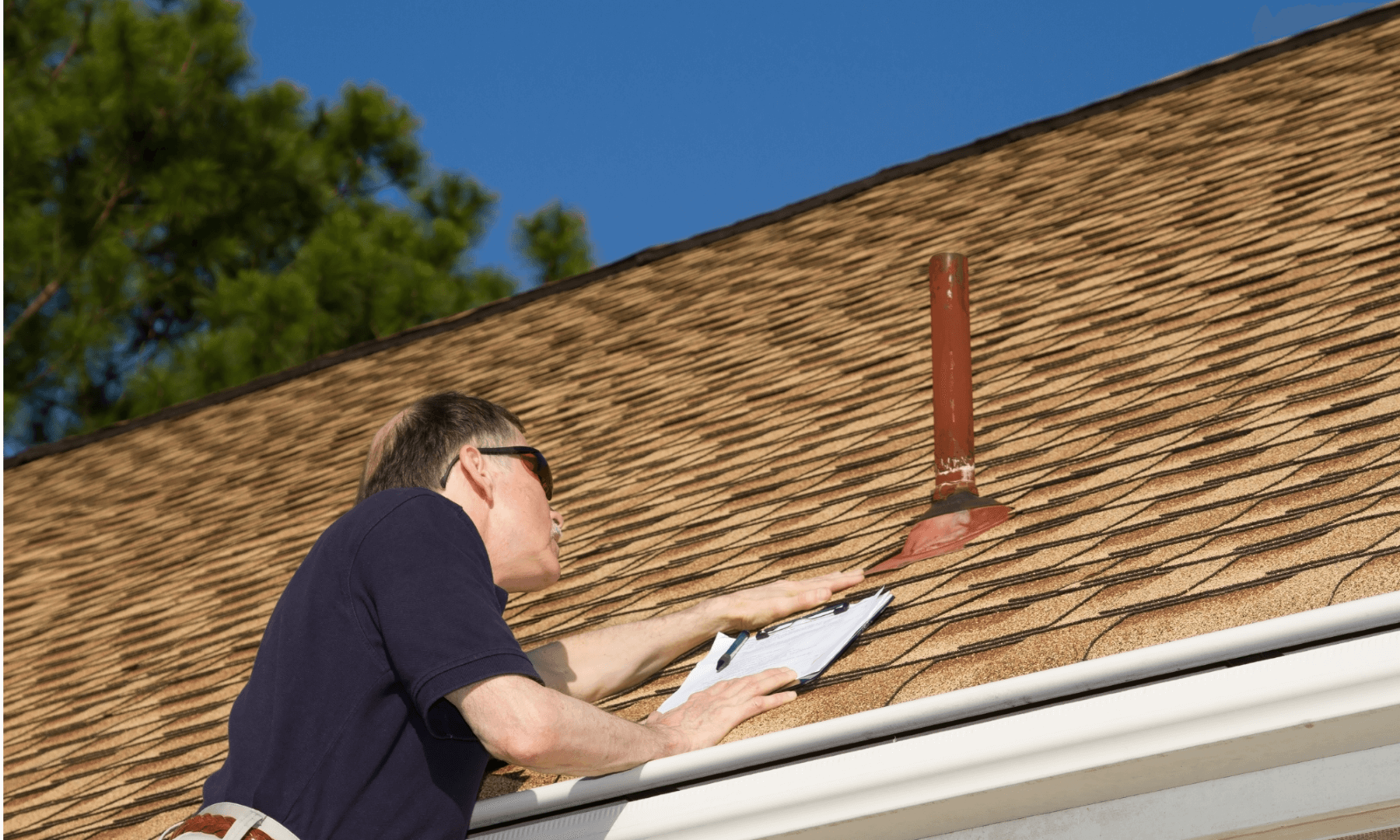
A proper roof inspection involves more than looking at the shingles from the ground. It requires evaluating the visible roofing components and identifying conditions that may affect the roof’s ability to protect the home.
During an inspection, attention is given to the roofing materials, flashing, roof penetrations, drainage components, and other areas where damage or deterioration may develop. For asphalt shingle roofs, this includes checking for missing, cracked, lifted, or deteriorated shingles, as well as signs of granule loss and possible impact damage.
Flashing around chimneys, skylights, plumbing vents, and other roof openings also deserves attention. These transitions are important because improperly sealed or deteriorated connections can allow water to enter the roofing assembly. The inspection may also include evaluating gutters, roof valleys, ridge details, and visible ventilation components. If there are signs of water intrusion, the attic and accessible interior areas may need additional evaluation.
The objective is to understand the overall condition of the roofing system rather than focus on a single visible problem.
When Should You Schedule a Roof Inspection?
Many homeowners wait until they notice a leak or visible damage before contacting a roofing contractor. However, an inspection can be useful even when the roof appears to be in good condition. Colorado weather can be demanding on residential roofing systems. Hailstorms, strong winds, intense sunlight, snow accumulation, and temperature fluctuations can gradually affect roofing materials and their connections.
After a significant storm, an inspection can help identify damage that may not be obvious from the ground. Hail impacts, loosened shingles, damaged flashing, and other problems may require closer evaluation. Roof inspections are also useful when purchasing or selling a home, preparing for a roof replacement, or evaluating an older roofing system.
If you have noticed ceiling stains, recurring leaks, missing shingles, or other signs of deterioration, scheduling an inspection can help determine what is happening and what steps may be necessary. Regular evaluations are also an important part of preventive roof maintenance. Identifying developing problems early may help homeowners avoid more extensive repairs later.
How Colorado Weather Affects Your Roof
Residential roofs throughout the Denver area experience different weather conditions throughout the year. These changing conditions make periodic inspections particularly valuable. Hail is one of the concerns homeowners should keep in mind. Depending on the size and intensity of the storm, hail can affect asphalt shingles, metal roofing, flashing, gutters, and rooftop accessories.
Strong winds can lift shingle edges, loosen roofing materials, and expose vulnerable areas to moisture. Even when shingles remain in place, damaged adhesive seals or loose components may require attention. Winter introduces additional considerations. Snow accumulation, ice formation, and repeated freeze-thaw cycles can expose weaknesses around roof edges, valleys, flashing, and drainage systems.
Intense summer sunlight and temperature changes also contribute to the gradual aging of roofing materials.
Because these conditions affect different parts of a roofing system, an inspection should consider the complete roof rather than simply looking for missing shingles or active leaks.
What Happens After a Roof Inspection?
An inspection should give homeowners a clearer understanding of the roof’s current condition and whether any areas require attention.
If the roofing system is in good condition, the inspection can help establish a reference point for future maintenance.
If damage or deterioration is identified, the next step is to understand its extent and determine whether a repair is appropriate.
For example, isolated shingle damage may require a localized repair, while deteriorated flashing may need to be corrected around a chimney or roof penetration.
More extensive deterioration, recurring leaks, or widespread material damage may indicate that a roof replacement should be considered.
At Premier Restoration & Construction, we believe homeowners should understand what is happening with their roofs before making decisions about major roofing work. Any recommended repairs or replacement should be based on the actual inspection findings and the condition of the existing system.
When appropriate, photographs and explanations of identified conditions can help homeowners understand the areas requiring attention.
Residential Roof Inspections for Different Roofing Systems
Not every residential roof requires the same inspection approach. The materials, design, slope, and construction details influence which components deserve particular attention.
Asphalt shingle roofs require evaluation of shingle condition, fastening, flashing, valleys, and visible signs of weather-related deterioration.
Metal roofing systems require attention to panel connections, fasteners, flashing, protective finishes, and areas where thermal movement may affect the assembly.
Composite roofing systems also have specific installation and maintenance characteristics that should be considered during an inspection. Regardless of the roofing material, the objective remains the same: identify visible problems, evaluate vulnerable areas, and provide homeowners with useful information about the condition of their roofs.
Why Choose Premier Restoration & Construction for Your Roof Inspection?
Choosing a roofing contractor for an inspection is about more than finding someone who can identify damaged shingles. Homeowners need clear communication, an understandable assessment, and recommendations based on the actual condition of their property. At Premier Restoration & Construction, we work with residential roofing systems and understand the importance of evaluating materials, flashing, drainage, and other components that contribute to roof performance.
Our approach focuses on identifying potential problems and helping homeowners understand their options. If repairs are needed, we can discuss the appropriate work. If the roof is approaching the end of its useful service life, we can explain when replacement may be worth considering. We also understand that not every inspection leads to a roofing project. Sometimes the most useful outcome is simply knowing that your roof is in suitable condition and understanding what to monitor in the future.
Schedule Your Residential Roof Inspection in Denver
Your roof is one of the most important parts of your home, and understanding its condition can help you plan maintenance and avoid unexpected problems. Whether you are concerned about recent storm damage, an aging asphalt shingle roof, a possible leak, or simply want to know how your roofing system is performing, Premier Restoration & Construction is ready to help.
Contact our team to schedule a residential roof inspection in Denver, Colorado, and get a better understanding of your roof’s condition and any work it may need.
Frequently Asked Questions About Residential Roof Inspections
How often should I have my residential roof inspected?
Inspection frequency depends on the roofing material, age, maintenance history, and weather exposure. Homeowners should follow the roofing manufacturer’s recommendations and consider additional inspections after significant storms or when signs of damage appear.
Should I have my roof inspected after a hailstorm?
Yes. Hail can affect shingles, flashing, gutters, and other roofing components. Some damage may not be obvious from the ground, so a professional evaluation can help determine whether repairs are necessary.
What are the signs that my roof needs an inspection?
Missing or cracked shingles, granule accumulation in gutters, ceiling stains, recurring leaks, damaged flashing, and visible sagging are all reasons to arrange a professional evaluation.
Can a roof inspection identify hidden leaks?
An inspection can identify visible signs and conditions associated with water intrusion. However, some leaks may require additional investigation, particularly when water travels through the roof assembly before becoming visible inside the home.
Does a roof inspection mean I need a replacement?
No. An inspection evaluates the roof’s condition. Depending on the findings, the appropriate recommendation may be routine maintenance, a localized repair, more extensive repairs, or replacement.
How long does a residential roof inspection take?
The time required depends on the size, design, accessibility, and condition of the roof. More complex properties or roofs with visible damage may require additional evaluation.
Can I get a roof inspection after a storm for insurance documentation?
A roofing contractor can document visible damage through photographs and inspection findings. This information may help homeowners when communicating with their insurance company. However, coverage decisions are made by the insurer according to the policy terms.
.
Roof Inspection in Denver, CO: Identify Storm & Wear Damage Early
Regular roof inspections are critical for Denver homeowners and business owners facing Colorado’s hailstorms, heavy snow, wind, and intense sun exposure. Our latest blog articles explain what a professional roof inspection includes, how storm damage is properly documented, and why early detection can prevent costly repairs or premature roof replacement. At Premier Restoration & Construction, we provide detailed residential and commercial roof inspections throughout Centennial, helping property owners understand the true condition of their roofing system. Explore our expert insights to learn when to schedule an inspection and how proactive evaluations protect your investment year-round.
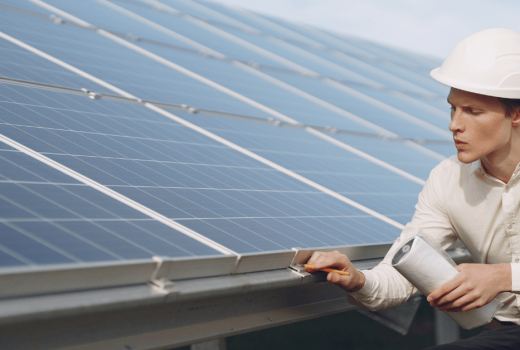
What to Expect During a Commercial Roof Inspection
- tecmobeto
- Comment: 0
At Premier Restoration and Construction, we understand how critical your commercial roof is to your business. It protects…
Read More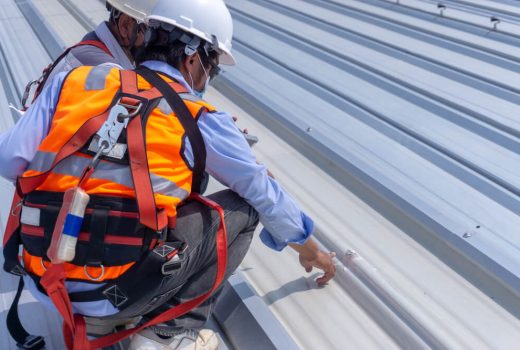
Why Annual Commercial Roof Inspections Are Essential Before Denver’s Snowy Winters
- tecmobeto
- Comment: 0
Stay Ahead of Winter Damage with Regular Inspections When Denver’s winter hits, your commercial roof becomes your first…
Read More
How Inspections and Certifications Help with Insurance Claims and Compliance
- tecmobeto
- Comment: 0
Roof Inspections and Insurance Claims For property owners across Colorado and Kansas, your roof is one of the…
Read MoreDenver Homeowner Roofing Testimonials
Premier Restoration and Construction is proud to offer dependable, detailed roof inspection services to homeowners in Denver and the surrounding areas. Our reputation is built on consistent quality, professional service, and the confidence we bring to every inspection.


Request Home Roof Inspection in Centennial
Call or complete our roofing service request form for a prompt response from a friendly member of our sales team
- 303-773-6437
- info@premier303.com
-
7500 E Arapahoe Rd #310
Centennial, CO 80112
- 303-773-6437
-
7500 E Arapahoe Rd #310
Centennial, CO 80112
