

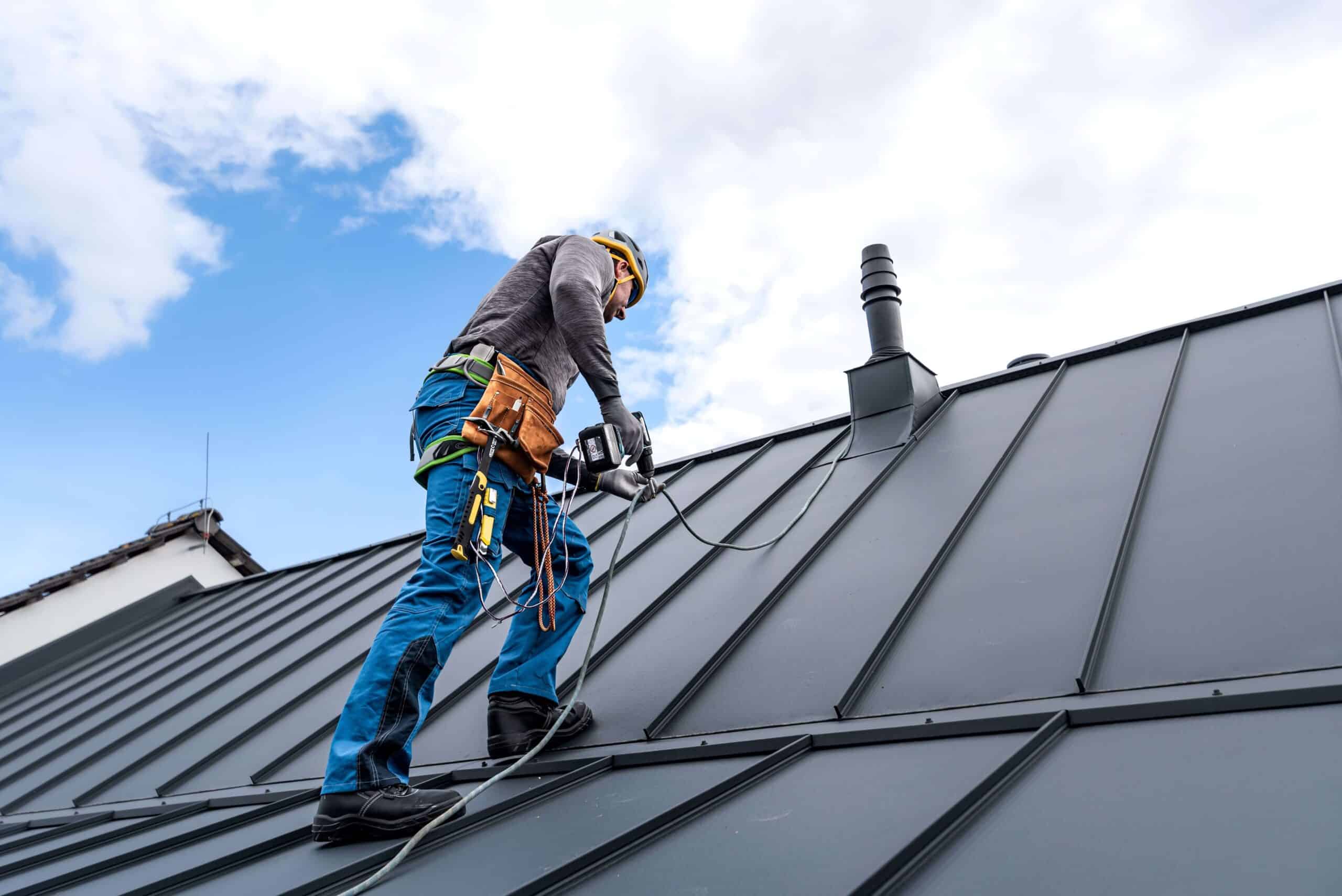
Denver homeowners know that severe weather is part of living along Colorado’s Front Range. Spring and summer storms can bring strong winds, heavy rain, and hail capable of damaging roofing materials in a matter of minutes. For homeowners considering a roof replacement, one question comes up frequently: Can metal roofing withstand hailstorms in Denver?
The short answer is yes. Metal roofing is one of the most durable roofing options available for homes exposed to challenging weather conditions. Its strength, impact resistance, and long service life make it an attractive alternative to traditional asphalt shingles. However, not all metal roofing systems offer the same level of protection, and understanding how different materials respond to hail is essential before making an investment.
Why Hail Damage Is a Major Concern for Denver Homeowners
Colorado is part of what is commonly known as Hail Alley, a region where atmospheric conditions frequently produce severe hailstorms. Denver and surrounding communities, including Lakewood, Aurora, Arvada, and Littleton, experience seasonal storms that can cause significant property damage.
Hailstones vary considerably in size. Smaller hail may leave little visible evidence of damage, while larger stones can crack asphalt shingles, remove protective granules, dent metal surfaces, and compromise certain roofing components.
The problem is not limited to the appearance of the roof. Hail impact can weaken roofing materials, expose vulnerable areas, and shorten the lifespan of a roofing system. In some cases, damage may not become apparent until water begins entering the home.
For this reason, choosing a roofing material with appropriate impact resistance is an important consideration for Denver property owners.
How Does Metal Roofing Perform During a Hailstorm?
Metal roofing is engineered to withstand demanding environmental conditions, including heavy rain, high winds, snow, and hail. Unlike asphalt shingles, which can crack, lose granules, or experience surface deterioration after repeated impacts, metal panels provide a continuous protective surface. When hailstones strike a properly installed metal roof, the material generally maintains its structural integrity. Depending on the metal type, panel thickness, profile, and hailstone size, however, the impact may leave visible dents.
This distinction is important: a dented metal roof is not necessarily a damaged or leaking roof.
Many metal roofing systems can sustain cosmetic damage without losing their ability to protect the underlying structure. Nevertheless, severe hail can damage seams, flashing, fasteners, coatings, and other components, so a professional inspection is recommended after a significant storm.
Which Metal Roofing Materials Offer the Best Hail Protection?
Not all metal roofing products respond to hail impacts in the same way. Material composition, thickness, panel design, and installation quality all influence overall performance.
Here are some of the most common options for residential roofing in Denver.
Steel Roofing
Steel is one of the most popular choices for residential metal roofing because it combines strength, durability, and relatively low maintenance requirements.
Galvanized and Galvalume steel products include protective coatings designed to help resist corrosion. Their performance during hailstorms depends on the steel gauge, panel configuration, and specific product specifications.
Standing seam steel roofing is particularly attractive for Colorado homeowners because its concealed fastening system reduces the number of exposed fasteners and creates a clean, weather-resistant roof surface.
Aluminum Roofing
Aluminum roofing is naturally resistant to corrosion and performs well in environments where moisture and changing temperatures are concerns.
However, aluminum is generally softer than steel, which means it may be more susceptible to visible denting from large hailstones. Although dents do not automatically indicate a loss of waterproofing, homeowners should consider the material’s impact performance before selecting it.
Copper Roofing
Copper is a premium roofing material known for its longevity, corrosion resistance, and distinctive appearance. It can perform well under demanding weather conditions, but its relatively soft surface may develop dents when exposed to significant hail impacts.
Because of its higher installation cost, copper is generally selected for architectural appearance and long-term value rather than maximum resistance to hail damage.
What Is the Difference Between Hail Resistance and Hail Damage?
One of the biggest misconceptions about metal roofing is that it is completely hail-proof. No residential roofing material can guarantee protection against every hailstorm.
Metal roofing can experience two different types of hail damage:
Cosmetic damage: Hailstones leave dents or surface indentations without compromising the roof’s ability to prevent water infiltration. This is particularly relevant with softer metals and thinner panels.
Functional damage: Severe impacts compromise roofing components, protective coatings, seams, flashing, or other critical areas. When this happens, the roof may become vulnerable to moisture penetration and premature deterioration.
Understanding the difference is important when comparing roofing products, evaluating warranties, and discussing insurance claims after a storm.
What Is a Class 4 Impact-Resistant Metal Roof?
When researching hail-resistant roofing in Denver, homeowners will often encounter the term Class 4 impact resistance.
This classification refers to the highest impact-resistance rating under the UL 2218 standard, which evaluates roofing materials through controlled impact testing using steel balls of specified sizes.
Class 4 products must meet the applicable test criteria to receive this rating. However, it is important to understand that the classification does not mean a roof is immune to hail damage.
A Class 4 rating also does not guarantee that a metal roof will never dent. Cosmetic appearance and functional performance are different considerations.
Before purchasing a roofing system, homeowners should verify that the specific product—not simply the general material category—has the desired impact-resistance certification.
Metal Roofing vs. Asphalt Shingles: Which Is Better for Denver’s Hailstorms?
Both metal roofing and asphalt shingles are commonly used in Colorado residential construction. However, they offer different advantages when exposed to severe hail.
| Feature | Metal Roofing | Asphalt Shingles |
|---|---|---|
| Hail resistance | Generally very good, depending on product | Varies by shingle type |
| Cosmetic damage | May develop dents | May lose granules or crack |
| Lifespan | Often 40–70+ years, depending on system | Commonly 20–30 years, depending on product |
| Maintenance | Generally low | Periodic inspections and repairs |
| Snow performance | Smooth surfaces can shed snow | Snow generally remains on the surface |
| Initial investment | Higher | Generally lower |
Metal roofing typically requires a higher upfront investment, but its durability and longer expected service life can make it an attractive long-term option.
For homeowners who prioritize hail resistance, it is worth comparing certified impact-resistant asphalt shingles with appropriately specified metal roofing systems rather than assuming that every metal product will outperform every shingle.
Does Metal Roof Thickness Matter During a Hailstorm?
Yes. Metal thickness is one of the factors that influences how a roofing panel responds to hail impacts.
Metal roofing gauges can be confusing because a lower gauge number generally indicates thicker steel. For example, 24-gauge steel is thicker than 26-gauge steel.
Thicker panels can offer greater resistance to denting, although thickness alone does not determine hail performance. The metal alloy, panel profile, support structure, installation method, and impact conditions also matter.
When comparing metal roofing estimates, ask contractors to identify the exact product, material thickness, finish, and available impact-test documentation.
This information will help you make a more informed decision instead of relying on general claims about metal roof durability.
Can Hailstorms Void a Metal Roofing Warranty?
Not necessarily, but warranty coverage depends on the manufacturer and the specific roofing product.
Some manufacturers offer warranties covering paint finish, corrosion, or material defects. Others provide limited impact-related coverage under specific conditions.
Homeowners should understand that a product warranty is not the same as an insurance policy. Cosmetic hail damage may be excluded even when the roofing system remains structurally sound.
Before installation, review the warranty documentation carefully and ask about:
- Cosmetic denting exclusions.
- Impact-resistance certifications.
- Paint and finish coverage.
- Material defects and corrosion.
- Installation requirements and maintenance obligations.
Having this information in advance can help avoid misunderstandings after a major hailstorm.
What Should You Do If Your Metal Roof Is Hit by Hail?
Even a durable metal roof should be inspected following a significant hailstorm, particularly when large hailstones have been reported in your neighborhood.
Start by checking the property from the ground for visible dents, damaged gutters, loose flashing, or debris around the roof perimeter. Avoid climbing onto the roof to inspect it yourself.
A professional roofing contractor can evaluate the panels, seams, flashing, fasteners, and other components to determine whether the impact caused cosmetic or functional damage.
If damage is suspected, document the affected areas with photographs and contact your insurance company to understand the next steps under your policy.
An inspection can also identify problems that might otherwise go unnoticed until the next rainstorm.
Is Metal Roofing a Good Investment for Homes in Denver, CO?
For many Denver homeowners, metal roofing represents a practical long-term investment, especially when severe weather resistance is a priority.
Its ability to withstand demanding environmental conditions, combined with its relatively low maintenance requirements and extended service life, makes it an appealing option for Colorado properties.
However, choosing the right system is just as important as choosing the material. Panel thickness, impact performance, roof design, flashing details, ventilation, and professional installation all contribute to the finished roof’s durability.
A properly selected and installed metal roofing system can provide decades of protection while helping homeowners reduce the frequency of roof replacements.
Professional Metal Roofing Installation in Denver, Colorado
At Premier Restoration & Construction, we understand the roofing challenges Colorado homeowners face throughout the year. From summer hailstorms along the Front Range to heavy winter snowfall in the mountains, your roofing system needs to be designed for the conditions it will encounter.
We provide residential roofing solutions focused on durability, weather protection, and long-term performance. Whether you are considering a metal roof installation, need an assessment after a hailstorm, or are planning a complete roof replacement, our team can help you evaluate the options available for your property.
If you are looking for a reliable metal roofing contractor in Denver, CO, contact Premier Restoration & Construction to discuss your project and find a roofing solution built for Colorado weather.
Protect your home with a roofing system designed to stand up to Colorado’s toughest weather conditions.