

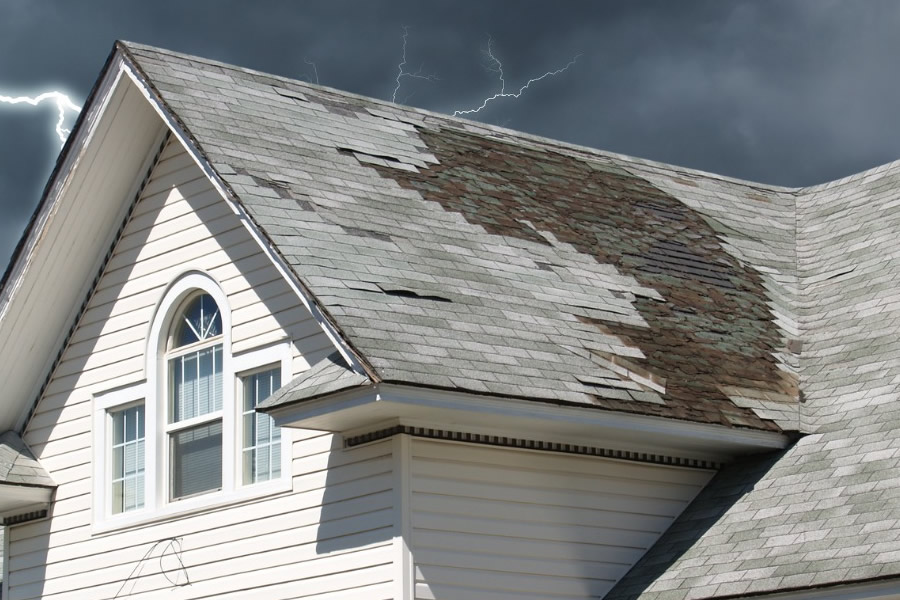
When homeowners think about roof damage, they usually picture missing shingles, cracked roofing materials, or visible storm damage. However, some of the most expensive roofing problems begin in areas that are easy to overlook. Roof flashing is one of them. Although flashing represents only a small portion of a roofing system, it plays a critical role in preventing water from entering the home. These thin metal components protect vulnerable areas where the roof meets walls, chimneys, skylights, vents, and other structural features.
When flashing is improperly installed, deteriorated, or damaged by severe weather, even a small opening can allow water to penetrate the roof structure. Over time, that moisture can damage insulation, roof decking, drywall, and interior finishes.
For homeowners in Colorado, where heavy snowfall, hailstorms, strong winds, and dramatic temperature changes are common, properly installed roof flashing is essential for long-term roof protection.
What Is Roof Flashing and Why Is It Important?
Roof flashing consists of metal pieces installed at joints, transitions, and penetrations throughout a roofing system. Its primary purpose is to redirect water away from vulnerable areas and prevent moisture from reaching the underlying roof structure. Most flashing systems are manufactured from galvanized steel, aluminum, copper, or other corrosion-resistant materials. The appropriate material depends on the roofing system, architectural design, exposure conditions, and compatibility with surrounding components.
Unlike shingles, which primarily protect the broad surface of the roof, flashing addresses the areas where water is most likely to find a path inside. A properly designed flashing system works together with shingles, underlayment, drainage components, and roofing accessories to create a continuous water-shedding assembly.
Without it, rainwater and melting snow can enter through small gaps that may remain hidden for months before visible damage appears.
The Most Common Roof Flashing Problems
Flashing failures do not always happen suddenly. In many cases, they develop gradually as materials expand, contract, corrode, or become displaced by weather exposure.
Understanding the most common problems can help homeowners recognize early warning signs before a minor issue becomes an expensive roof repair.
1. Improperly Installed Step Flashing
Step flashing is installed where a sloped roof meets a vertical wall. It consists of individual metal pieces integrated with each shingle course to direct water away from the wall and down the roof surface.
One of the most frequent installation problems occurs when flashing is not properly integrated with the shingles or wall covering.
If the pieces overlap incorrectly, are missing, or are installed without the appropriate waterproofing details, water can travel behind the roofing materials and enter the wall or attic.
Step flashing problems are particularly concerning around dormers, second-story additions, and roof-to-wall intersections.
2. Damaged or Deteriorated Chimney Flashing
Chimneys create some of the most vulnerable transitions on a residential roof because they interrupt the continuous roofing surface. A complete chimney flashing system typically includes step flashing, apron flashing, and counter flashing. These components work together to direct water around the chimney and prevent moisture from entering the roof assembly.Over time, sealants can deteriorate, masonry can develop cracks, and metal flashing can become loose or corroded.
In Colorado, repeated freeze-thaw cycles can make these problems worse. Water entering small openings can freeze, expand, and gradually enlarge existing gaps.
Replacing deteriorated sealant alone may not solve the problem if the underlying flashing was improperly installed or damaged.
3. Roof Vent and Pipe Boot Leaks
Plumbing vents, exhaust pipes, and other roof penetrations require specialized flashing to maintain a watertight seal. One common failure involves rubber pipe boots. These components surround plumbing vent pipes and prevent water from entering the opening around the pipe.
Exposure to sunlight, temperature fluctuations, and aging can cause rubber boots to crack or become brittle. Metal collars can also loosen, while improperly secured flashing may allow water to enter around the penetration. Because these components are relatively small, homeowners may overlook them during routine roof inspections. However, a deteriorated pipe boot can produce persistent leaks and localized moisture damage.
4. Valley Flashing Problems
Roof valleys are the areas where two sloping roof sections meet. They collect and channel significant amounts of rainwater and melting snow toward the drainage system.
Because of this concentration of water, valleys require careful design and installation. Problems can develop when valley flashing is damaged, improperly overlapped, obstructed by debris, or installed without adequate protection beneath the roofing materials. In snowy climates, ice accumulation can place additional stress on these areas. If water cannot drain properly, it may back up beneath shingles and contribute to roof leaks.
Proper valley construction, appropriate underlayment, and correct shingle installation are essential for preventing moisture infiltration.
5. Rusted, Loose, or Corroded Metal Flashing
Metal flashing is designed to withstand years of weather exposure, but it is not immune to deterioration. Galvanized steel, aluminum, and copper each have different properties and maintenance requirements. Corrosion, incompatible materials, damaged protective coatings, and improper fastening can eventually compromise the flashing assembly.
Strong winds, hail, and repeated temperature changes may also loosen or deform metal components. When flashing separates from the roof or surrounding structure, water can penetrate through the resulting openings.
Replacing damaged sections before moisture reaches the underlying wood components can prevent more extensive repairs.
How Colorado Weather Affects Roof Flashing
Roof flashing is particularly important in Colorado because roofing systems must withstand several types of weather-related stress throughout the year.
During winter, snow accumulation and ice formation can expose weaknesses around chimneys, valleys, roof edges, and other transitions. When snow melts and refreezes, water can accumulate around vulnerable flashing details.
Spring and summer bring another set of challenges. Hailstorms can dent metal components, damage protective coatings, and affect surrounding shingles. Strong winds can also loosen flashing or expose improperly secured sections.
Temperature fluctuations create additional stress because roofing materials expand and contract at different rates. Over time, repeated movement can affect joints, fasteners, sealants, and connections.
For homeowners in Denver, Vail, and other Colorado communities, these conditions make professional flashing installation and periodic inspections particularly important.
Warning Signs That Your Roof Flashing May Be Failing
Flashing problems are not always visible from the ground, but certain warning signs can indicate that water is entering through vulnerable roof transitions.
Watch for the following symptoms:
- Water stains on ceilings or interior walls, particularly near chimneys and exterior walls.
- Damp insulation or moisture inside the attic.
- Peeling paint or deteriorating drywall around roof penetrations.
- Rust, corrosion, or visible separation around metal flashing.
- Cracked sealant around chimneys, vents, and skylights.
- Water dripping into the attic after heavy rain or snowmelt.
- Missing or displaced shingles near roof intersections.
It is important to remember that the location of an interior water stain does not necessarily identify the exact source of the leak. Water can travel along roof decking, framing, and other structural components before becoming visible inside the home.
A professional roofing inspection can help identify the actual entry point and determine the appropriate repair.
Can Roof Flashing Be Repaired, or Does It Need Replacement?
The answer depends on the condition of the flashing and the extent of the surrounding damage.
Minor problems, such as a loose section of flashing or a deteriorated pipe boot, may be resolved through localized repairs. However, extensive corrosion, improperly installed step flashing, or recurring chimney leaks may require partial or complete replacement.
Applying roofing cement or sealant over an existing leak is not always a reliable solution. These materials may temporarily reduce water infiltration, but they cannot correct an improperly designed or installed flashing system.
A qualified roofing contractor should evaluate the affected area, remove damaged materials when necessary, and reinstall flashing using the correct overlapping and waterproofing techniques.
The objective is not simply to stop the current leak but to restore the roof’s ability to direct water away from vulnerable areas.
Why Professional Roof Flashing Installation Matters
Proper flashing installation requires more than cutting and attaching pieces of metal. Every transition must be designed to work with the direction of water flow and the surrounding roofing materials.
For example, step flashing must be integrated with individual shingle courses, while chimney flashing requires appropriate connections between the roof covering and masonry. Skylights and roof penetrations also require manufacturer-approved flashing details.
Poor workmanship can create hidden openings that remain undetected until the next major storm.
Professional installation helps ensure that flashing components are properly sized, overlapped, secured, and integrated with the roofing system. It also reduces the likelihood of recurring leaks and unnecessary repairs.
Protect Your Home With Professional Roof Repair in Colorado
Roof flashing may be one of the smallest components of your roofing system, but its importance should never be underestimated. A loose metal section, cracked pipe boot, or improperly installed chimney flashing can allow water to enter your home and cause damage far beyond the original problem.
At Premier Restoration & Construction, we understand how Colorado’s changing weather conditions affect residential roofing systems. From hailstorms in the Denver metropolitan area to heavy snowfall in mountain communities, proper roof installation and maintenance are essential for protecting your property.
Our residential roofing services focus on identifying vulnerable areas, correcting installation problems, and helping homeowners maintain durable roofing systems.
Whether you are dealing with a persistent roof leak, damaged flashing, or planning a complete roof replacement, our team can help evaluate your roofing needs and recommend an appropriate solution.
Don’t let a small flashing problem turn into a major roofing repair. Contact Premier Restoration & Construction to schedule a professional roof inspection in Colorado and protect your home against water damage.