

Replacing a roof is one of the most important maintenance investments a homeowner can make. Unlike a minor repair, a complete roof replacement involves several stages, from removing existing roofing materials to inspecting the underlying structure and installing a new roofing system. For many homeowners, the process can seem overwhelming, especially if they have never experienced a major roofing project before. Questions about preparation, installation time, construction noise, property protection, and material selection are all part of the decision.
Understanding what happens during a complete roof replacement helps homeowners know what to expect, prepare their property, and make informed decisions throughout the project. In Colorado, where residential roofs must withstand hailstorms, strong winds, snow, and significant temperature changes, choosing the right roofing system and ensuring proper installation are particularly important.
The Initial Roof Inspection and Project Evaluation
A complete roof replacement begins with an inspection of the existing roofing system. Before recommending materials or preparing an installation schedule, a roofing contractor needs to understand the roof’s current condition and identify any problems that could affect the new installation. The inspection typically includes evaluating the existing shingles or roofing material, flashing, valleys, ridges, roof penetrations, drainage components, and visible signs of water damage.
The contractor should also look for evidence of deteriorated decking, inadequate ventilation, previous repairs, and other conditions that may require attention during the replacement. The roof’s slope, architectural design, accessibility, and overall dimensions are also important when estimating labor and material requirements.
Once the evaluation is complete, the homeowner should receive an explanation of the recommended work, the roofing materials being considered, and any additional repairs that may be necessary. A detailed proposal helps establish expectations before construction begins and reduces the possibility of misunderstandings during the project.
Choosing the Right Roofing Materials
Selecting the replacement material is one of the most important decisions homeowners will make. The right roofing system depends on several factors, including the home’s architectural style, roof slope, budget, maintenance expectations, and local weather exposure.
Asphalt shingles remain a popular choice for residential properties because they offer a practical balance between cost, appearance, and performance. Homeowners can choose from different styles, colors, and product lines depending on their preferences.
Metal roofing is another option, particularly for homeowners looking for durability and a different architectural appearance. Properly selected and installed metal roofing systems can provide long-term performance while offering resistance to many forms of weather exposure.
Other options may include premium composite roofing products, such as DaVinci synthetic roofing, which can provide the appearance of natural slate or wood shakes with different maintenance characteristics.
Before making a decision, homeowners should review the manufacturer’s specifications, warranty requirements, installation recommendations, and expected maintenance needs. A roofing contractor should explain the differences between available products rather than recommending a material based only on its initial price.
Preparing Your Home Before Installation
Once the materials and project schedule have been established, the next step is preparing the property for construction. Roof replacement involves removing heavy materials, operating equipment, and moving supplies around the home. Even when contractors take precautions, the work can create noise, vibration, and falling debris. Homeowners should remove fragile items from walls and shelves, particularly in rooms directly beneath the roof. Attic storage should also be protected or relocated when necessary because dust and small debris may enter the attic during tear-off.
Vehicles should be moved away from the work area, and outdoor furniture, grills, decorations, and other belongings should be relocated when possible. If the property has delicate landscaping, contractors should discuss protective measures before work begins.It is also helpful to make arrangements for pets and young children, as construction noise and equipment movement may create an uncomfortable environment.
Good preparation helps the roofing crew work efficiently while reducing the possibility of accidental property damage.
Removing the Existing Roofing Materials
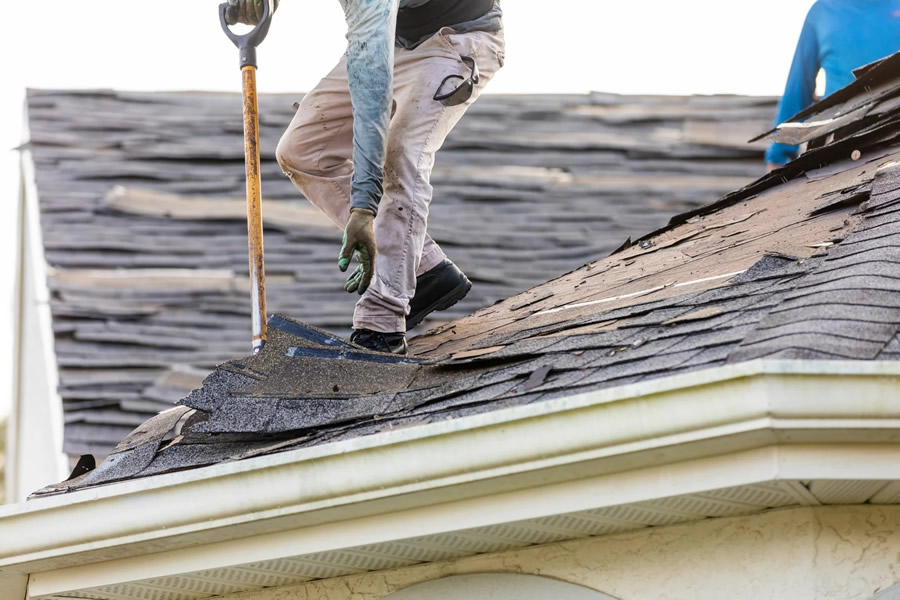
One of the first major construction activities is removing the existing roofing materials. This process, commonly called a roof tear-off, involves taking off old shingles, underlayment, flashing, and other components that are scheduled for replacement. Although some roofing projects may qualify for an approved overlay installation, a complete replacement generally requires removing the existing roofing system so the underlying components can be properly evaluated.
During tear-off, contractors use designated disposal areas and debris collection equipment to keep the worksite organized. Once the old materials have been removed, the roof deck becomes accessible for inspection. This stage is particularly important because problems hidden beneath the roofing surface may not have been visible during the initial inspection.
Inspecting the Roof Deck and Replacing Damaged Sections
The roof deck provides the structural foundation for the roofing materials. It must be sufficiently sound to support the new roofing system and allow proper fastening.After removing the existing materials, contractors should examine the exposed decking for signs of moisture damage, rot, delamination, soft spots, and other deterioration. If damaged sections are discovered, they may need to be replaced before installation continues. This is also an opportunity to identify problems involving roof ventilation, flashing transitions, and other components that could affect the performance of the new roof.
Homeowners should understand that additional decking repairs may not always be visible or accurately measurable before tear-off. For this reason, the replacement proposal should explain how unexpected repairs will be evaluated, communicated, and priced before additional work is performed.
Addressing these conditions before installing new roofing materials helps create a suitable foundation for the replacement system.
Installing Underlayment and Water Protection Components
After the roof deck has been inspected and prepared, the installation of protective layers begins. Underlayment provides an additional layer of water resistance beneath the primary roofing material. Its type and installation method depend on the roofing system, roof slope, manufacturer specifications, and applicable building requirements.
Ice and water protection may also be installed in vulnerable areas, such as eaves, valleys, and roof transitions, where water intrusion can be a concern. In Colorado, these details deserve particular attention because snow accumulation and freeze-thaw conditions can increase the risk of water infiltration around roof edges and other vulnerable areas.
Proper installation of these protective components is essential. Even high-quality shingles or metal panels cannot compensate for improperly installed underlayment or poorly detailed waterproofing connections.
Installing the New Roofing System
With the underlying components prepared, the roofing crew can begin installing the selected roofing material. For asphalt shingles, this involves establishing proper layout and alignment, installing starter shingles, fastening the shingles according to manufacturer requirements, and completing ridges, hips, and other transitions. Metal roofing installation follows a different process. Panels must be measured, positioned, and fastened according to the system’s specifications, with appropriate attention to expansion, contraction, flashing, and water management.
Composite roofing products also have specific installation requirements that must be followed to maintain their expected performance. Regardless of the material, proper workmanship is critical. Incorrect fastening, inadequate overlap, poorly installed flashing, or improperly sealed penetrations can create problems even when premium products are used. A professional roofing crew should follow the manufacturer’s installation instructions and applicable local building requirements throughout the project.
What Happens to Flashing, Vents, and Roof Penetrations?
A complete roof replacement should include an evaluation of the components that connect the roofing system to other parts of the home. These include chimney flashing, plumbing vent boots, skylight flashing, roof vents, wall transitions, and other penetrations. Depending on their condition and compatibility with the new roofing system, some components may be replaced while others may be suitable for continued use.
Flashing deserves particular attention because it directs water away from vulnerable connections. Reusing damaged or deteriorated flashing can undermine the performance of an otherwise new roof. Ventilation components should also be reviewed to ensure that the roof assembly has an appropriate ventilation strategy. Homeowners should ask which components are included in the replacement proposal and which, if any, are excluded from the project.
How Long Does a Complete Roof Replacement Take?
The time required for a roof replacement depends on the size and complexity of the property, roofing materials, accessibility, weather conditions, and the amount of underlying damage discovered during construction. Many standard residential asphalt shingle replacements can be completed within one to two days under favorable conditions. Larger homes, complex roof designs, specialty materials, and extensive decking repairs may require additional time.
Weather is another important factor in Colorado. Rain, high winds, snow, and freezing temperatures can interrupt installation or affect the suitability of certain materials and procedures. A roofing contractor should provide an estimated schedule before work begins and communicate any changes caused by unexpected conditions.
Homeowners should also understand that completing the installation does not necessarily mean every project-related activity is finished. Final inspections, cleanup, and any remaining documentation may take additional time.
Final Inspection, Cleanup, and Project Completion
Once the new roofing materials have been installed, the contractor should review the completed work to verify that the roofing system has been installed according to the agreed scope and applicable manufacturer requirements. The final inspection should include reviewing shingles or panels, flashing, roof penetrations, ridge details, valleys, and other critical areas.
The property should also be cleaned thoroughly. This includes removing leftover roofing materials, packaging, nails, and other construction debris. Magnetic nail collection equipment is commonly used around the property to help locate loose fasteners in driveways, walkways, and landscaped areas.
Homeowners should receive documentation describing the completed work, the materials installed, applicable warranties, and any recommendations for future maintenance.
It is also a good time to ask questions about ventilation, inspection frequency, and how to identify potential roofing problems in the future.
Will You Need to Leave Your Home During Roof Replacement?
In most standard residential roof replacement projects, homeowners do not need to leave their homes. However, the work can be noisy and disruptive. Removing old roofing materials, operating equipment, and moving materials around the property may create considerable noise throughout the day. Some homeowners prefer to work elsewhere or make temporary arrangements for pets and family members during installation.
If the project involves extensive structural repairs, interior work, or unusual safety conditions, the contractor may recommend additional precautions.
Before construction begins, discuss the expected work schedule and any access restrictions with the roofing company.
Protecting Your Home With a Proper Roof Replacement
A complete roof replacement is more than installing new shingles or panels. It involves evaluating the existing structure, correcting underlying problems, installing compatible protective components, and ensuring that every part of the roofing system works together.For homeowners in Colorado, proper planning and installation are especially important because residential roofs must withstand changing temperatures, hail, wind, and winter weather.
At Premier Restoration & Construction, we understand the importance of approaching every residential roofing project with attention to materials, preparation, and installation quality. Whether you are replacing an aging asphalt shingle roof, considering metal roofing, or exploring premium composite roofing options, selecting the right system is an important step toward protecting your home.
Contact Premier Restoration & Construction to schedule a roof inspection and discuss your residential roof replacement options.
Frequently Asked Questions
Do I need to remove my old roof before installing a new one?
In many cases, yes. A complete tear-off allows contractors to inspect the roof deck, identify hidden damage, and prepare the surface properly. Whether an overlay is permitted depends on existing roof conditions, applicable codes, and manufacturer requirements.
How long does it take to replace a residential roof?
Many standard residential asphalt shingle replacements take approximately one to two days under favorable conditions. Larger or more complex projects may require additional time.
Should I stay home during roof replacement?
You can generally remain in your home, but expect considerable noise and activity. Some homeowners choose to make temporary arrangements, particularly when they have pets, young children, or work-from-home responsibilities.
Will my roof deck need to be replaced?
Not necessarily. Roof decking is replaced only when inspection reveals deterioration, moisture damage, or other conditions that make the existing material unsuitable for the new roofing system.
What is included in a complete roof replacement?
A complete replacement typically includes removing existing roofing materials, inspecting the roof deck, making necessary repairs, installing underlayment and protective components, installing the new roofing material, addressing flashing and penetrations, and completing a final inspection and cleanup.
What should I do after my new roof is installed?
Keep your project documentation and warranty information, follow the contractor’s maintenance recommendations, and arrange periodic roof inspections. Addressing minor issues early can help preserve the condition of the new roofing system.