

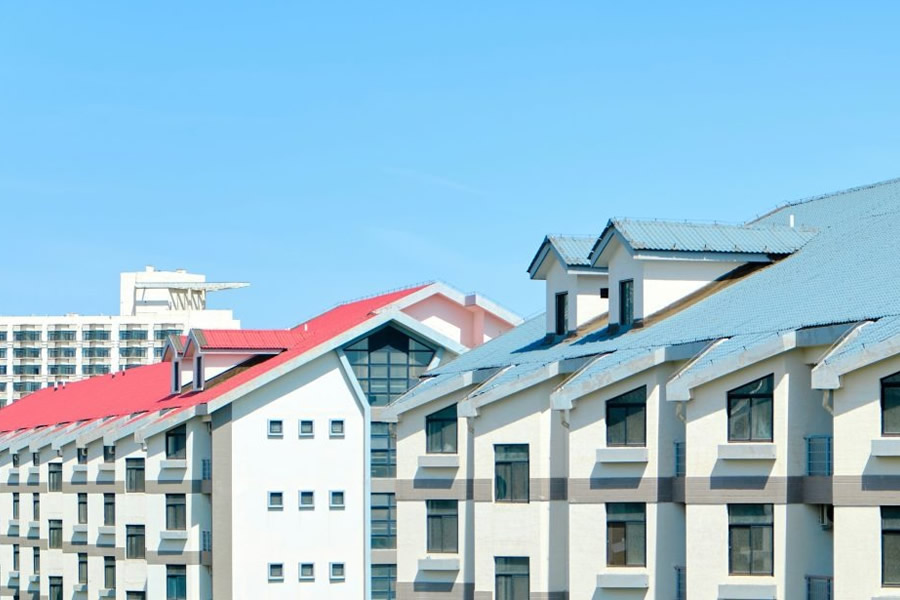
Managing a multifamily property comes with roofing challenges that are different from those of a single-family home. Apartment buildings, condominiums, townhomes, and other residential complexes often have larger roofing systems, multiple drainage areas, shared structural components, and more occupants who depend on the building for protection from the weather.
When roofing problems develop, property owners and managers must decide whether repairing the existing roof is sufficient or whether a complete replacement is the better long-term investment.
The decision is not always straightforward. A roof with a few isolated leaks may only need targeted repairs, while widespread deterioration, recurring water intrusion, or aging materials may indicate that replacement is becoming unavoidable. For multifamily property owners in Colorado, where roofs must withstand hail, strong winds, snow accumulation, and significant temperature fluctuations, understanding the differences between roof repair and replacement is essential for managing maintenance costs and protecting the property.
When Roof Repair Is the Better Option
Roof repair is generally the most practical solution when damage is limited to specific areas and the overall roofing system remains in good condition.For example, a multifamily building may experience localized damage after a hailstorm or strong winds. Missing shingles, damaged flashing, loose roofing components, or isolated membrane problems can often be addressed without removing the entire roof.
Repairs may also be appropriate when leaks originate from specific locations, such as roof penetrations, drainage connections, seams, or transitions between roofing materials.
Before recommending repairs, a roofing contractor should evaluate the condition of the surrounding materials and determine whether the existing system can continue providing reliable protection. For property managers, the main advantage of targeted repairs is that they can address immediate problems while avoiding the larger upfront expense of a complete roof replacement. However, repairs should solve the underlying problem rather than simply cover visible symptoms. Repeatedly patching the same areas without identifying the source of water intrusion can lead to additional damage and higher maintenance expenses.
When Roof Replacement Makes More Financial Sense
There are situations when continuing to repair an existing roof becomes less practical than replacing it. One of the strongest indicators is widespread deterioration. When roofing materials have reached the end of their expected service life, problems may begin appearing in multiple areas across the building. Aging shingles, deteriorated membranes, recurring seam failures, extensive flashing problems, and widespread moisture intrusion can indicate that the roofing system is no longer performing as intended. Replacement may also be necessary when water has affected underlying components such as insulation, roof decking, or other parts of the roofing assembly.
Although a complete replacement requires a larger initial investment, it can reduce the frequency of emergency repairs, provide an opportunity to correct underlying installation problems, and establish a more predictable maintenance schedule.
For multifamily properties, these long-term considerations are especially important because roofing failures can affect multiple units and create significant operational disruptions.
How Roof Age Influences the Decision
The age of a roofing system is an important factor, but it should never be the only consideration. Different roofing materials have different expected service lives. Asphalt shingles, EPDM membranes, TPO systems, metal roofing, and other commercial roofing products respond differently to weather exposure, installation quality, maintenance practices, and building conditions.
An older roof may still be suitable for continued service if it has been properly maintained and remains structurally sound. Conversely, a relatively newer roof may require extensive repairs if it was improperly installed or exposed to severe storm damage. Property owners should consider the roof’s installation date, previous repair history, manufacturer specifications, and current physical condition.
A professional inspection can help determine whether the remaining service life justifies additional repairs or whether replacement should be included in the property’s capital improvement planning.
The Impact of Recurring Leaks on Multifamily Buildings
Recurring leaks are more than a roofing maintenance issue. In multifamily properties, water intrusion can affect residents, common areas, building materials, and day-to-day property operations. A leak above an individual apartment may damage ceilings, insulation, flooring, furniture, and personal belongings. Water entering common hallways or shared spaces can create additional maintenance and safety concerns.
When moisture remains trapped inside roofing assemblies or building materials, it may also contribute to deterioration and microbial growth. If multiple units experience leaks during different weather events, the problem may indicate widespread roofing deterioration rather than isolated damage. Property managers should document recurring leaks, identify their locations, and compare maintenance records over time. If repairs repeatedly fail to resolve the problem, a comprehensive roofing evaluation may be necessary.
Comparing the Long-Term Costs of Repair and Replacement
The lowest immediate cost is not always the most economical decision over the life of a multifamily property. Roof repairs generally require a smaller initial investment, but repeated service calls, emergency maintenance, interior restoration, and resident complaints can increase total ownership costs. Roof replacement involves a larger upfront expense, but it may provide a more reliable roofing system and reduce the need for frequent corrective work.
Property owners should evaluate both options based on the roof’s remaining service life, the extent of existing damage, anticipated maintenance requirements, and the potential consequences of future leaks. For example, consider a multifamily building that requires several repairs every year. If the same roofing system continues developing problems in different locations, the cumulative cost of maintenance may eventually approach the cost of replacement without delivering comparable long-term reliability.
A useful evaluation should include:
- Current repair expenses and the frequency of service calls.
- Estimated cost of a complete roof replacement.
- Remaining expected service life of the existing roofing system.
- Potential damage to insulation, decking, and interior finishes.
- Costs associated with resident disruptions and temporary accommodations, when applicable.
- Long-term maintenance requirements of the proposed replacement system.
Comparing these factors helps property owners make decisions based on total ownership costs rather than the initial price alone.
How Colorado Weather Affects Multifamily Roofing Decisions
Colorado’s weather creates specific challenges for multifamily roofing systems. Hailstorms can damage asphalt shingles, metal roofing components, flashing, and rooftop equipment. Strong winds can lift roofing materials and compromise vulnerable edges or connections.
Winter conditions introduce additional concerns. Snow accumulation, ice formation, and repeated freeze-thaw cycles can place stress on roofing assemblies and expose weaknesses in drainage and waterproofing details. In mountain communities such as Vail, heavy snowfall and significant temperature changes make proper roof design, drainage, and material selection particularly important.
When evaluating repair versus replacement, property owners should consider not only the damage already present but also whether the existing roofing system is appropriate for the property’s exposure and local weather conditions. If the roof has recurring problems associated with drainage, flashing, or inadequate waterproofing, replacement may provide an opportunity to address these deficiencies rather than continuing to repair individual symptoms.
Consider the Type of Roofing System
The roofing material installed on a multifamily property also influences the repair or replacement decision. Asphalt shingle roofs are common on smaller apartment buildings and townhome communities. Localized shingle damage can often be repaired, provided the surrounding materials remain in suitable condition. However, widespread granule loss, curling, cracking, or recurring leaks may indicate that replacement is necessary. Flat and low-slope roofs frequently use membrane systems such as EPDM and TPO. These systems require careful inspection of seams, flashing, penetrations, and drainage areas. Localized membrane damage may be repairable, but widespread seam separation or deterioration can make restoration less practical.
Metal roofing systems offer durability, but damaged panels, fasteners, flashing, and connections still require attention. The condition of the entire assembly should be evaluated before deciding whether repairs are sufficient. The right solution depends on the material, its age, the extent of damage, and whether compatible replacement components are available.
Planning Roofing Work Without Disrupting Residents
One of the biggest differences between roofing projects on single-family homes and multifamily properties is the number of people affected by the work. A roof replacement may involve construction noise, material deliveries, equipment placement, restricted parking, and temporary access limitations.
Property managers must coordinate with residents, maintenance personnel, contractors, and other stakeholders to minimize disruptions. Repairs may be completed more quickly and with less disruption when the damage is localized. However, repeated repair visits can create ongoing inconvenience for residents and additional coordination responsibilities for management. A comprehensive replacement project requires more planning, but it can provide an opportunity to address roofing deficiencies across the entire building or property.
Before starting either type of project, property managers should establish a realistic schedule, communicate expected disruptions, and coordinate access to affected areas.
Why a Professional Roof Inspection Is Essential
Choosing between roof repair and replacement requires more than identifying visible damage. A proper evaluation should consider the condition of the entire roofing assembly, including the membrane or shingles, flashing, drainage components, insulation, and underlying roof deck where accessible. A qualified roofing contractor can identify the source of leaks, evaluate the extent of deterioration, and determine whether localized repairs are likely to provide reliable results.
The inspection should also consider previous repairs. Areas that have been patched repeatedly may require closer evaluation to determine whether the underlying problem has been resolved. For larger multifamily properties, documenting findings by building, roof section, or affected area can help property managers prioritize work and prepare more accurate maintenance budgets.
This information also supports long-term capital planning by helping owners distinguish between immediate repair needs and future replacement projects.
Making the Right Roofing Investment for Your Multifamily Property
Deciding between roof repair and replacement is ultimately a balance between current conditions, financial considerations, and long-term property protection. When damage is isolated and the existing roofing system remains in good condition, targeted repairs may be the most reasonable option. When deterioration is widespread, leaks continue to develop, or the roof has reached the end of its useful service life, replacement may offer better long-term value.
At Premier Restoration & Construction, we understand that multifamily roofing decisions affect more than the building itself. They influence maintenance budgets, resident satisfaction, property operations, and the long-term value of the investment.
Whether your apartment complex, condominium community, or multifamily property needs targeted roof repairs or a complete roofing replacement, a professional evaluation can help identify the most appropriate approach.
Contact Premier Restoration & Construction to discuss your multifamily roofing needs and develop a plan to protect your property.
Frequently Asked Questions
How do I know if a multifamily roof needs repair or replacement?
Localized damage, isolated leaks, and otherwise healthy roofing materials may indicate that repairs are sufficient. Widespread deterioration, recurring leaks, and extensive moisture damage may indicate that replacement is the better option.
Is roof replacement more cost-effective than repeated repairs?
It can be. When a roof requires frequent repairs, the cumulative costs of maintenance, interior damage, and emergency service calls may eventually exceed the financial advantages of continued patching.
How often should multifamily roofs be inspected?
Inspection frequency depends on the roofing system, building conditions, manufacturer recommendations, and local weather exposure. At a minimum, property managers should establish a regular inspection schedule and arrange additional evaluations after significant storms.
Can a multifamily roof be replaced one section at a time?
In some cases, yes. Phased replacement may be possible when the roofing system and building configuration allow it. However, transitions between old and new roofing sections must be properly designed to maintain waterproofing continuity.
What roofing materials are commonly used on multifamily properties?
Common options include asphalt shingles, EPDM, TPO, PVC, and metal roofing. The appropriate material depends on roof slope, building design, local climate, budget, and long-term maintenance requirements.
Does roof replacement increase multifamily property value?
A properly installed replacement roof can improve the property’s condition, reduce maintenance concerns, and make the building more attractive to prospective buyers and investors. Its financial impact depends on the property’s overall condition and local market factors.