

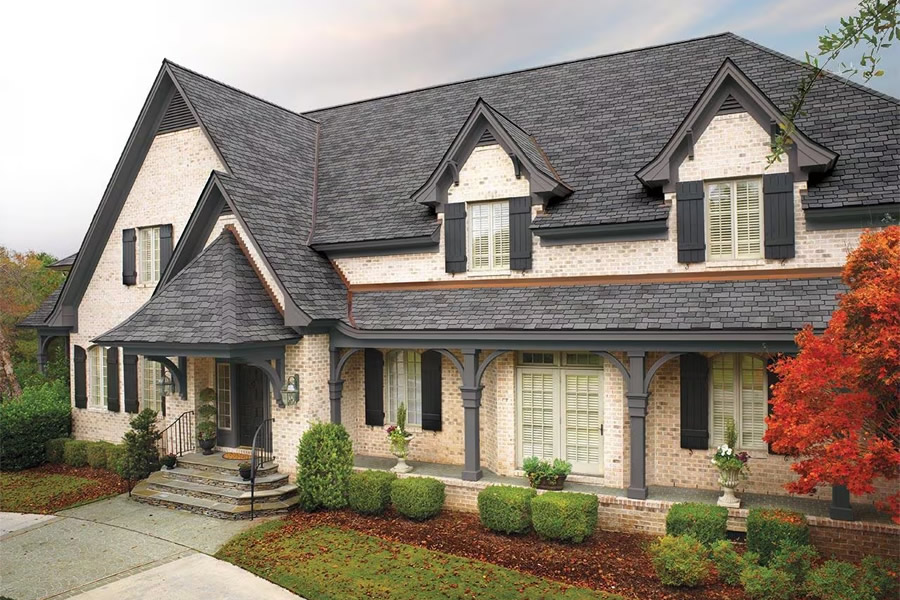
Choosing the right shingles for your home is one of the most important decisions you will make when planning a roof replacement. The material you select affects more than the appearance of your property. It also influences how well your roof withstands severe weather, how much maintenance it requires, how long it may last, and how much you will spend on installation and future repairs.
Homeowners have several roofing options available, ranging from traditional asphalt shingles to premium architectural products, metal roofing, wood shakes, and natural slate. Each material offers different advantages, and the best choice depends on your home’s design, budget, structural requirements, and local weather conditions.
For homeowners in Denver and throughout Colorado, these decisions deserve additional consideration. Hailstorms, strong winds, heavy snowfall, intense sunlight, and significant temperature changes can put considerable stress on residential roofing systems. A material that performs well in one climate may not necessarily be the best option for a home exposed to Colorado’s changing weather.
Understanding the different types of roof shingles and their characteristics can help you make a more informed investment and choose a roofing system that provides dependable protection for your home.
What Are Roof Shingles and How Do They Protect Your Home?
Roof shingles are individual overlapping pieces of roofing material installed across a roof surface to help shed rainwater and protect the structure underneath. They are typically arranged in horizontal courses, with each row overlapping the one below it to direct water toward the roof edges and drainage system. Although shingles provide the visible exterior surface of many residential roofs, they are only one component of a complete roofing system. Underneath them, you will typically find roof decking, underlayment, flashing, and other protective components that work together to prevent moisture from entering the home.
Asphalt shingles, for example, generally consist of a fiberglass reinforcing mat coated with asphalt and finished with mineral granules. These granules help protect the asphalt from ultraviolet radiation and contribute to the appearance and performance of the roofing material.
Other roofing products use completely different construction methods and materials. Metal shingles are formed from metal, wood shingles are manufactured from natural timber, and slate products are made from natural stone.
Understanding these differences is important because selecting a roof involves more than choosing a color or style. The material must be appropriate for the roof structure, installation requirements, and environmental conditions surrounding your property.
1. Three-Tab Asphalt Shingles
Three-tab asphalt shingles are among the traditional options used in residential roofing. They are manufactured with a single layer of asphalt-coated fiberglass and have evenly spaced cutouts that create the appearance of three separate tabs when installed. One reason homeowners have historically chosen this type of shingle is its relatively economical installation cost. Three-tab shingles provide a clean, uniform appearance and can be suitable for properties where affordability is an important consideration.
However, their simpler construction generally provides less dimensional depth than architectural shingles. Depending on the product, they may also have lower wind-resistance ratings and shorter expected service lives than some modern laminated alternatives.
For homeowners planning a new roof in Denver, it is worth comparing the product specifications carefully rather than choosing three-tab shingles based exclusively on their initial price.
A lower upfront investment does not always translate into the best long-term value, particularly when the roof is exposed to demanding weather conditions.
2. Architectural Asphalt Shingles
Architectural shingles, also known as dimensional or laminated shingles, are among the most popular options for modern residential roofing.
Unlike traditional three-tab products, architectural shingles are manufactured using multiple laminated layers that create a thicker profile and a more dimensional appearance. This construction gives the roof greater visual depth and allows manufacturers to offer a wider variety of colors, textures, and design patterns. Many homeowners prefer architectural shingles because they combine an attractive appearance with practical performance and relatively straightforward installation.
Depending on the product selected, architectural shingles may offer improved wind-resistance ratings, enhanced durability, and longer manufacturer warranty options compared with basic three-tab shingles. They are available in a broad range of colors, making it easier to coordinate the roof with siding, exterior paint, stonework, brick, and other architectural features.
For many Denver homeowners, architectural asphalt shingles represent a practical balance between installation cost, appearance, and performance. However, not all products have the same specifications. Wind ratings, impact classifications, warranty coverage, and installation requirements should be evaluated individually.
3. Designer and Luxury Asphalt Shingles
Designer shingles are manufactured for homeowners who want a more distinctive roof appearance without necessarily choosing natural slate or wood roofing.
These products are designed to reproduce the visual characteristics of premium roofing materials, including cedar shakes and natural slate. Their patterns, textures, and dimensional profiles can give a home a more customized architectural appearance. Luxury asphalt shingles are generally thicker and more elaborate than standard architectural products. Depending on the manufacturer and product line, they may also offer specialized performance characteristics and enhanced design features.
They can be particularly attractive for larger homes, custom properties, and residences where the roof plays an important role in the overall exterior design. However, premium appearance comes with a higher material and installation cost. Homeowners should also consider the weight of the selected product, the manufacturer’s installation specifications, and whether the roofing system is appropriate for their particular property.
The best designer shingle is not necessarily the most expensive one. It should provide the appearance, protection, and long-term value that make sense for the home.
4. Metal Roof Shingles
Metal roofing is another option worth considering when replacing an existing residential roof. Although metal panels and metal shingles are different products, both can provide a durable alternative to conventional asphalt roofing.
Metal shingles are manufactured in individual profiles designed to resemble traditional roofing materials. Some products imitate slate, wood shakes, or conventional shingles while providing the characteristics associated with metal construction. Depending on the material and finish, metal roofing can offer excellent resistance to many forms of weather exposure, relatively low routine maintenance requirements, and a long potential service life.
For Colorado homeowners, metal roofing can be particularly appealing because certain systems are designed to handle snow, wind, and changing temperatures. However, hail performance varies considerably by product, metal thickness, panel design, and installation system. It is important to review actual impact-resistance testing rather than assume that every metal roof is hailproof. Metal shingles can also have a higher initial installation cost than conventional asphalt shingles. The roof structure, fastening system, flashing details, and compatibility with the existing building must all be considered.
If you are comparing metal and asphalt roofing, the decision should include the expected lifespan, maintenance requirements, installation cost, appearance, and performance under local weather conditions.
5. Wood Shingles and Cedar Shakes
Wood roofing offers a natural appearance that can complement certain architectural styles. Cedar is one of the materials commonly used because of its natural characteristics and traditional appearance.
Although the terms are sometimes used interchangeably, wood shingles and cedar shakes are not exactly the same. Wood shingles are generally sawn to create a relatively smooth and uniform appearance, while shakes typically have a more textured, rustic profile. Both options can provide a distinctive exterior finish, particularly on homes with traditional, mountain, or rustic architectural designs.
However, wood roofing requires careful consideration of maintenance, moisture exposure, fire performance, and local building requirements. The material can be affected by prolonged moisture, biological growth, and deterioration if it is not properly maintained. In Colorado, homeowners should pay particular attention to applicable fire-resistance requirements and local regulations before selecting a wood roofing system. The suitability of a product depends on its tested fire classification, treatment, installation, and the requirements applicable to the property.
Although cedar roofing can create an attractive finished appearance, it is not automatically the most practical option for every home.
6. Slate Roofing
Natural slate is a premium roofing material made from stone that is cut into individual pieces and installed in overlapping courses. One of its most distinctive characteristics is its natural appearance. Slate offers a refined, traditional look that works particularly well with certain architectural styles and high-end residential properties.
When properly selected, supported, and installed, natural slate can have an exceptionally long service life. It is also naturally resistant to many forms of weather exposure. However, slate is considerably heavier than most asphalt shingle products. Before installation, the roof structure must be evaluated to ensure that it can support the additional weight.
Installation also requires specialized knowledge and craftsmanship. Individual slate pieces must be handled and fastened correctly, and repairs can be more specialized than those associated with conventional asphalt shingles. The initial cost is generally higher than that of standard residential roofing materials. For homeowners considering slate, the decision should account for structural requirements, installation expertise, material availability, and long-term maintenance.
7. Clay and Concrete Roofing Tiles
Clay and concrete tiles are additional roofing options that offer distinctive architectural styles and long-term durability. Clay tiles are manufactured from natural clay and fired during production. They are commonly associated with Spanish, Mediterranean, and Southwestern architectural designs.
Concrete tiles are manufactured using cement-based mixtures and can be formed into a variety of profiles and colors. They can reproduce the appearance of traditional clay tiles while offering different design and pricing options. Both materials can provide substantial durability when installed correctly. However, they are considerably heavier than standard asphalt shingles, and the home’s structural capacity must be evaluated before installation.
In addition, individual tiles can crack or break under certain impact conditions, and repairs may require matching the existing product.
For homeowners in Denver, the roof structure, slope, snow-load requirements, and local building considerations should all be reviewed before choosing a tile roofing system.
Which Type of Roof Shingle Is Best for Denver Homes?
There is no single roofing material that is ideal for every home in Denver. The right selection depends on the property’s design, the homeowner’s budget, and the level of protection required under local weather conditions. Colorado’s climate creates several considerations that should influence the decision. Hailstorms can damage certain roofing products, strong winds can lift improperly installed materials, and repeated temperature fluctuations can contribute to long-term deterioration.
For many residential properties, architectural asphalt shingles provide an attractive combination of affordability, appearance, and practical performance. They are available in different product grades and impact classifications, allowing homeowners to compare options according to their specific needs. Metal roofing may be worth considering when a homeowner wants a different appearance, a potentially longer service life, or specific performance characteristics. Premium designer shingles can provide a more distinctive architectural finish, while slate and tile may be appropriate for homes specifically designed to accommodate their weight and installation requirements.
The important thing is to evaluate the complete roofing system rather than selecting a material based on one feature alone.
What Should You Consider Before Choosing New Roof Shingles?
Before investing in a new roof, it is worth comparing several factors that influence the performance and overall cost of the roofing system.
Durability and expected lifespan: Different roofing materials have different expected service lives. However, actual performance depends on product quality, installation, maintenance, ventilation, and environmental exposure.
Wind and hail resistance: Denver homeowners should review the tested performance ratings of the products they are considering. Impact classifications, wind ratings, and manufacturer specifications can help determine whether a material is appropriate for the property’s exposure.
Installation requirements: Some roofing materials require specialized installation techniques, additional structural support, or specific underlayment and flashing systems. These requirements can affect the total project cost.
Appearance and architectural style: The roof represents a substantial portion of a home’s exterior. Color, texture, profile, and material selection should complement the property’s architectural design.
Maintenance and repairs: Consider how easily the roofing material can be inspected, maintained, and repaired. Some materials require more specialized service than others.
Warranty coverage: Manufacturer warranties vary according to the product, installation requirements, and qualifying components. Contractor workmanship warranties are separate and should also be reviewed carefully. Homeowners should understand what is covered, what exclusions apply, and whether the warranty is transferable.
Comparing these factors can help you avoid choosing a roofing material based solely on the initial installation price.
How Much Does It Cost to Install Different Types of Roof Shingles?
The cost of a new roof depends on more than the price of the shingles themselves. Labor, roof size, slope, accessibility, removal of existing materials, underlayment, flashing, ventilation, and necessary structural repairs all contribute to the final estimate. Traditional three-tab shingles generally have a lower initial material cost than architectural and designer products. Architectural shingles offer a middle ground for many residential projects, while premium designer shingles can involve a higher investment. Metal roofing, natural slate, clay, and concrete tiles can also have significantly different installation costs depending on the product and complexity of the project.
In Denver, additional considerations may include the condition of the existing roof, previous hail damage, roof decking repairs, and the specific installation requirements associated with the selected material.
Rather than comparing estimates based only on the price per roofing square, homeowners should request a detailed proposal explaining the materials, labor, removal, protective components, and any additional work included.
A professional roof inspection can help determine which options are appropriate for the property and provide a more realistic estimate based on the actual condition of the existing roofing system.
Is It Better to Repair Your Existing Roof or Replace It With New Shingles?
Choosing a new roofing material is only part of the decision. Homeowners should also determine whether the existing roof actually needs a complete replacement. If the damage is isolated and the surrounding shingles remain in good condition, a professional roof repair may be sufficient. Replacing a small section of damaged shingles or correcting a flashing problem can sometimes restore the roof’s protection without the expense of installing an entirely new system.
However, when shingles show widespread deterioration, recurring leaks, extensive hail damage, or signs of aging across multiple sections, replacement may be a more practical long-term investment. The age of the roof, condition of the underlayment and decking, and history of previous repairs should all be considered before making a decision.
A professional evaluation can help you understand whether another repair is reasonable or whether replacing the roofing system will provide better long-term value.
Choose the Right Residential Roofing System With Premier Restoration & Construction
Selecting the right shingles for your home requires more than comparing colors, styles, and prices. It involves understanding how different roofing materials perform, how they interact with the rest of the roofing system, and which options are appropriate for your property’s specific conditions.
At Premier Restoration & Construction, we bring more than 40 years of experience to residential and commercial roofing projects in Denver, Colorado, and surrounding communities. We understand the demands that Colorado’s weather places on residential roofs and the importance of selecting appropriate materials and installing them correctly.
Our residential roofing services include asphalt shingle roofing, roof repair, complete roof replacement, inspections, and ongoing maintenance. Whether you are considering upgrading to architectural shingles, exploring premium roofing options, or replacing an aging roof after years of weather exposure, our team can help you evaluate your options and make an informed decision. We believe homeowners deserve clear explanations, dependable workmanship, and roofing recommendations based on the actual needs of their properties.
If you are planning a new residential roof in Denver, CO, contact Premier Restoration & Construction to schedule a professional roof evaluation and discuss the roofing materials that may be right for your home.