

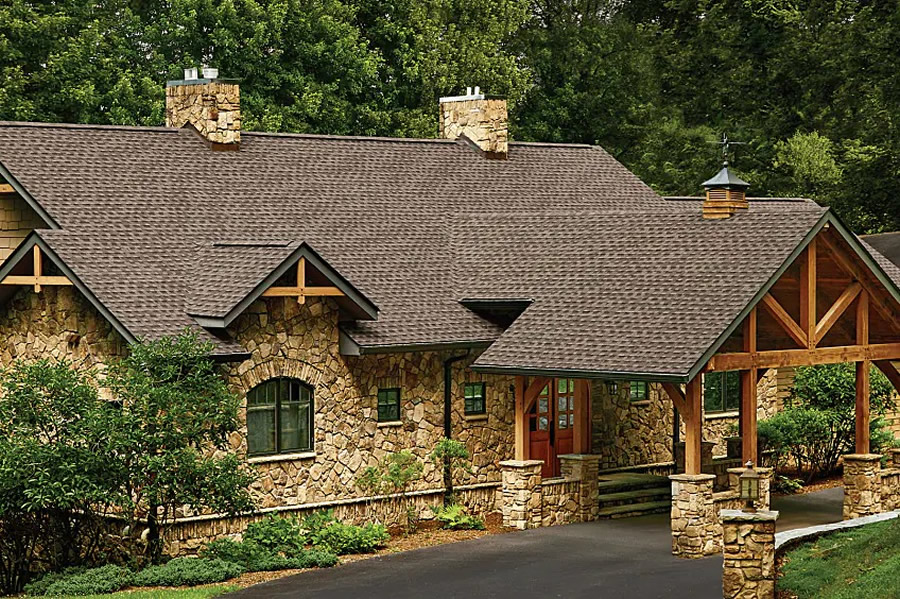
Selling a home involves many decisions, from preparing the property for showings to setting an asking price and negotiating with potential buyers. One issue that homeowners sometimes overlook until the selling process begins is the condition of the roof. You may have lived in your home for years without experiencing any major roofing problems. However, when you decide to sell, damaged shingles, previous leaks, missing flashing, or visible signs of deterioration can become important concerns for potential buyers.
A roof is one of the most significant components of a home’s exterior, and its condition can influence how buyers perceive the property. During a home inspection, roofing problems may lead to additional questions, repair requests, price negotiations, or delays in closing. For homeowners in Denver and throughout Colorado, deciding whether to repair or replace a roof before selling requires a practical evaluation. The right approach depends on the roof’s age, the extent of the damage, the local real estate market, and the expectations of potential buyers.
In some situations, a relatively small repair can make a meaningful difference. In others, investing in a complete roof replacement before listing the property may not provide enough financial return to justify the expense.
Understanding your options can help you prepare your home for sale without spending more than necessary.
Why Does the Condition of Your Roof Matter When Selling a Home?
A roof does much more than protect a home from rain, snow, and wind. It also contributes to the property’s overall appearance and gives potential buyers an indication of how well the home has been maintained.
When buyers see missing shingles, damaged flashing, visible sagging, or water stains on ceilings, they may begin questioning whether other maintenance problems have been overlooked. Even when the damage is relatively minor, visible roofing issues can create uncertainty during negotiations. Buyers may request a professional inspection, ask for repairs before closing, negotiate a lower purchase price, or request financial concessions to address the problem themselves.
The roof can also become an important part of the buyer’s overall maintenance budget. Someone purchasing a home may already be planning for moving expenses, closing costs, and other improvements. The possibility of having to replace an aging roof shortly after purchasing the property can make the decision more difficult.
For sellers, addressing roofing problems before listing the home can help reduce uncertainty and make the property easier to evaluate.
Should You Repair Your Roof Before Putting Your Home on the Market?
In many cases, repairing an existing roof before selling is a sensible investment, particularly when the damage is limited and the cost of correction is relatively reasonable. For example, replacing missing or damaged shingles, correcting a flashing problem, sealing an appropriate roof penetration, or addressing a localized leak can help restore the roof’s protection and improve its overall condition.
These repairs may also prevent an existing problem from becoming more extensive while the property is being marketed.
However, not every roof needs to be repaired or replaced before a sale. If the roofing system is functioning properly and has only minor cosmetic wear, additional work may not significantly influence the final selling price. The important thing is to understand which problems could affect the buyer’s inspection and which improvements are unlikely to provide a meaningful financial benefit.
A professional roof inspection can help establish the actual condition of the roofing system and identify the repairs that deserve attention before the property is listed.
1. Roof Leaks and Water Damage Should Be Addressed Before Selling
One of the most important roofing problems to investigate before selling a home is an active or recurring leak. Water intrusion can damage ceilings, drywall, insulation, roof decking, and other parts of the home. Even if the original leak appears small, moisture may have traveled beyond the area where the damage becomes visible. During a home inspection, visible water stains, musty odors, damaged attic insulation, or signs of previous moisture intrusion may lead the inspector to recommend further evaluation.
If the source of the leak remains unresolved, potential buyers may become concerned about the possibility of additional damage or hidden repairs.
Addressing the actual source of the problem before listing the property can help reduce these concerns. Depending on the situation, the solution may involve replacing damaged shingles, repairing flashing, correcting drainage problems, or replacing affected sections of roof decking.
It is important not to simply paint over water stains or make cosmetic improvements without correcting the original roofing problem. Buyers may discover the underlying issue during their inspection, creating additional complications during negotiations.
2. Missing, Cracked, or Deteriorating Shingles Can Affect Buyer Confidence
The exterior appearance of a roof is often one of the first things potential buyers notice when approaching a property. Missing shingles, curling edges, cracked surfaces, excessive granule loss, and uneven roofing sections can make a home appear poorly maintained, even when the interior is in excellent condition.
Some of these conditions may indicate normal aging, while others can suggest storm damage, installation problems, or deterioration that could eventually lead to leaks. In Denver, hail and strong winds are particularly important considerations. A roof that has experienced previous storm exposure may have damage that is not immediately obvious from the ground.
If the roofing materials show localized damage, a professional repair may be sufficient. If deterioration is widespread, however, replacing the roof may be a more practical option.
The goal is to understand whether the visible condition represents a cosmetic concern or a roofing problem that could affect the property’s protection.
3. An Aging Roof Can Become a Negotiation Issue
The age of a roof is another factor that may influence a real estate transaction. A roof that is approaching the end of its expected service life does not necessarily need immediate replacement. However, buyers may consider its remaining useful life when evaluating the overall cost of owning the property.
For example, a buyer who discovers that an asphalt shingle roof is significantly aged may anticipate needing a replacement within the next few years. This expectation can influence the offer, the inspection negotiations, or the buyer’s willingness to proceed. Insurance considerations may also become relevant, depending on the insurer’s underwriting requirements, the roofing material, its condition, and the buyer’s circumstances.
If your roof is older, it is worth obtaining a professional evaluation before deciding whether to replace it. A documented assessment can provide more useful information than relying exclusively on the installation date.
In some cases, a roof in good condition may continue providing reliable protection for years. In others, widespread deterioration may justify replacement before the property goes on the market.
Should You Replace the Entire Roof Before Selling Your Home?
This is where homeowners need to consider the financial side of the decision carefully. A complete roof replacement can improve the property’s condition, address existing roofing problems, and give potential buyers greater confidence in the home’s exterior protection. However, it is also a substantial investment, and the full cost may not necessarily be recovered through a higher selling price.
Whether replacement makes financial sense depends on several factors, including the condition of the existing roof, the local real estate market, the property’s asking price, and the expectations of buyers in that particular neighborhood. If the roof has widespread damage, recurring leaks, or significant deterioration, replacement may help eliminate a major obstacle during the sale.
On the other hand, if the roof is structurally sound and has only a few localized problems, repairing the affected areas may provide a better return on investment. It is also worth considering whether the expected replacement cost would be more effectively addressed through the selling price or a negotiated buyer credit. This is a decision that should be discussed with your real estate agent and, where appropriate, qualified legal or transaction professionals.
The right choice is not always to install a new roof. It is to make an informed decision based on the property’s actual condition and the financial realities of selling.
How a Roof Inspection Can Help Before Listing Your Home
Before spending money on repairs or replacement, consider having your roof professionally inspected. A roofing inspection can help identify visible and hidden conditions that may affect the sale. This includes damaged shingles, deteriorated flashing, missing components, water intrusion, compromised roof decking where accessible, and other issues that may require attention. An inspection can also help distinguish between minor maintenance needs and problems that could affect the roofing system’s performance.
For sellers, this information can be useful when planning repairs, discussing the property’s condition with a real estate agent, and preparing documentation for potential buyers. A written inspection report may also help explain the condition of the roof and the work that has been completed. However, it should not be presented as a guarantee that a buyer’s independent home inspection will reach the same conclusions. If repairs are necessary, keeping invoices, photographs, material information, and warranty documentation can provide useful records for the transaction.
What Roofing Problems Are Most Likely to Concern Home Inspectors?
A home inspector typically evaluates visible and accessible components of the property. When examining the roof, several conditions may lead to additional questions or recommendations.
These can include:
- Active roof leaks or visible water stains.
- Missing, damaged, or deteriorating shingles.
- Damaged or improperly installed flashing.
- Signs of previous water intrusion in the attic.
- Deteriorated roof decking or visible structural concerns.
- Damaged gutters and inadequate drainage.
- Evidence of previous repairs that may require further evaluation.
Not every issue will require a complete roof replacement. Some findings may only justify maintenance or localized repairs.
The important distinction is between identifying a visible condition and determining the appropriate corrective work. A qualified roofing contractor can provide a more detailed assessment of the roofing system and explain which repairs are necessary.
Does Colorado Weather Make Roof Repairs More Important Before Selling?
For homeowners in Denver, the local climate adds another consideration when preparing a property for sale. Colorado roofs are exposed to intense sunlight, hailstorms, strong winds, snow accumulation, and repeated temperature fluctuations. These conditions can affect asphalt shingles, flashing, roof penetrations, and drainage components over time. Hail damage is particularly relevant because it may not always be obvious from the ground. A roof can appear relatively normal while individual shingles have experienced impact damage that affects their protective surface.
Winter conditions can also expose existing weaknesses. Damaged flashing, deteriorated shingles, and drainage problems may become more noticeable when snow and ice accumulate along roof edges. If your home has experienced significant weather events, a professional evaluation before listing can help identify damage that may otherwise become an issue during the buyer’s inspection.
This is especially important when the property has not had a roof inspection in several years or when previous storm-related repairs were never properly documented.
How Much Should You Spend on Roof Repairs Before Selling?
There is no universal amount that every homeowner should spend preparing a roof for sale. The appropriate investment depends on the type of damage, the property’s condition, and the expected financial return.
A localized repair involving a few damaged shingles or a flashing connection may be relatively straightforward. More extensive work involving roof decking, water damage, or widespread deterioration can require a substantially larger budget.
Before authorizing any work, it is worth obtaining a professional evaluation and a written estimate that explains the recommended repairs. You should also compare the cost of the work against the potential consequences of leaving the problem unresolved. An active leak, for example, can become more expensive if it damages interior materials while the home is on the market. Discussing the roof’s condition with your real estate agent can also help determine whether completing the repairs, adjusting the asking price, or negotiating with the buyer is the most appropriate strategy.
The objective should be to protect the value of your property without making unnecessary improvements that are unlikely to influence the sale.
What Documents Should You Keep After Roof Repairs?
If you decide to repair or replace your roof before selling, keep documentation of the work performed.
This information can help demonstrate that the issue was addressed and give potential buyers a clearer understanding of the roofing system.
Useful documents include:
- Roofing inspection reports.
- Written repair or replacement estimates.
- Invoices showing completed work.
- Photographs taken before and after repairs.
- Roofing material specifications.
- Applicable manufacturer and workmanship warranty documentation.
- Records of previous storm damage and related repairs.
Having these records available can make it easier to answer buyer questions and explain the condition of the roof during the transaction.
Make an Informed Decision Before Selling Your Home
Deciding whether to repair or replace your roof before selling is ultimately a financial and property-management decision. A relatively small repair may be enough to resolve an inspection concern, while an aging or extensively damaged roof may require a more comprehensive solution. The most important step is understanding the actual condition of the roofing system before making a significant investment.
At Premier Restoration & Construction, we bring more than 40 years of experience to residential and commercial roofing projects in Denver, Colorado, and surrounding communities. We understand how Colorado’s weather affects residential roofs and why proper evaluation matters when homeowners are preparing to sell their properties. Our residential roofing services include roof inspections, roof repairs, asphalt shingle roofing, and complete roof replacement. Whether you have noticed missing shingles, recurring leaks, hail damage, or simply want to know the condition of your roof before listing your home, our team can help evaluate the situation and explain your options.
We believe homeowners should have clear information before deciding how much to invest in their roofing system. Our goal is to identify the problem, recommend appropriate solutions, and help you protect your property without unnecessary work.
If you are planning to sell your home in Denver, CO, contact Premier Restoration & Construction to schedule a professional roof inspection and find out whether your roof needs repairs before going on the market.