

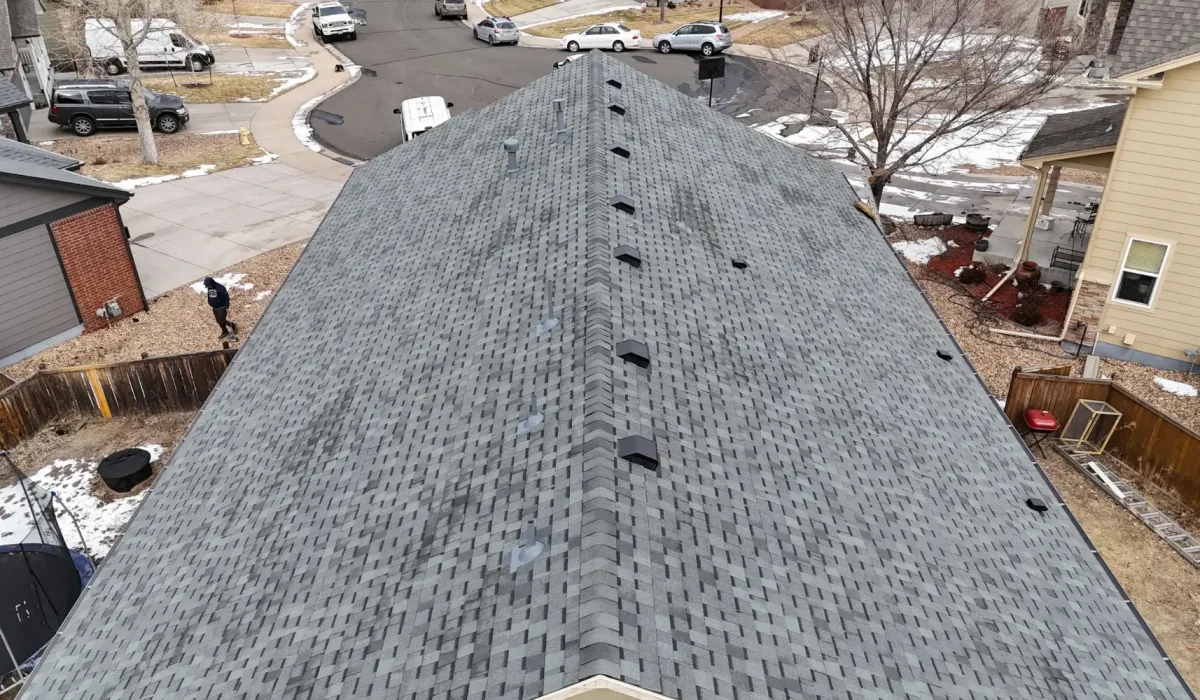
Roof edges are among the most vulnerable areas of a roofing system in regions with heavy snowfall, freezing temperatures, and repeated freeze-thaw cycles. Although homeowners often focus on shingles, flashing, and overall roof condition, the perimeter of the roof deserves just as much attention. Without proper protection, these exposed areas can become entry points for water, ice buildup, and structural damage.
In snowy climates such as Colorado’s mountain communities, protecting roof edges is particularly important. Heavy snow accumulation, melting ice, and sudden temperature changes can put significant stress on roofing materials. Proper roof edge protection helps prevent costly repairs while extending the life of the entire roofing system.
Why Roof Edges Are More Vulnerable During Winter
Roof edges experience different conditions than the central sections of a roof. As snow accumulates, the lower portions of the roofing system are exposed to changing temperatures and water runoff. When indoor heat escapes through an inadequately insulated roof, it can warm the upper sections, causing snow to melt. That water then flows toward the colder eaves, where it can refreeze.
This process contributes to the formation of ice dams, one of the most common winter roofing problems.
Ice dams can prevent melted snow from draining properly. As water backs up behind the ice, it may work its way underneath shingles and into the roof structure. Over time, moisture can damage roof decking, insulation, ceilings, and interior walls. Roof edges are also exposed to wind-driven snow, freezing rain, and ice accumulation. These conditions make proper installation and protection essential, especially in areas where winter weather is severe.
How Ice Dams Damage Roof Edges
Ice dams develop when snow melts on warmer portions of the roof and refreezes near the colder eaves. As additional melting occurs, water becomes trapped behind the growing ice barrier.
The resulting water buildup can create several problems:
- Water infiltration: Meltwater can penetrate beneath shingles and enter the roof assembly.
- Damaged roof decking: Repeated moisture exposure can cause wood deterioration and weaken structural components.
- Insulation problems: Wet insulation loses effectiveness and can contribute to higher heating costs.
- Interior leaks: Water may eventually appear as stains, peeling paint, or damaged drywall.
- Gutter damage: Heavy ice accumulation can pull gutters away from the fascia or damage downspouts.
Preventing ice dams requires addressing the conditions that cause them, including inadequate attic insulation, poor ventilation, and insufficient roof edge protection.
The Importance of Ice and Water Shield Protection
One of the most effective ways to protect vulnerable roof edges is through the installation of an ice and water shield membrane. This self-adhering waterproof underlayment is installed beneath the roofing materials to create an additional barrier against moisture. Unlike standard roofing underlayment, ice and water shield is designed to seal around roofing nails and help prevent water from penetrating the roof deck. It is especially valuable along eaves, valleys, roof penetrations, and other areas where water can accumulate.
In snowy regions, this protective membrane is particularly important because ice dams can force water beneath shingles, where ordinary underlayment may not provide sufficient protection. Proper installation is essential. The membrane should extend from the roof edge into the required area of the roof deck, following applicable building codes and manufacturer specifications. In colder climates, local requirements may call for additional coverage depending on roof slope, insulation, and regional weather conditions.
Metal Drip Edges and Flashing Provide Additional Protection
Ice and water shield is not the only component that protects roof edges. Metal drip edges and properly installed flashing also play an important role in keeping moisture away from vulnerable roofing components. A drip edge is a metal flashing installed along the eaves and rakes of a roof. Its purpose is to direct water away from the fascia and into the gutter system rather than allowing it to run behind the roofing materials.
Without a properly installed drip edge, rainwater and melting snow can reach the underlying wood components, potentially contributing to rot, deterioration, and premature roof failure.In snowy climates, metal flashing must also be properly secured to withstand temperature changes, wind, and the additional weight associated with ice and snow accumulation.
Proper Roof Insulation and Ventilation Matter
Protecting roof edges involves more than installing waterproof materials. The overall performance of the roofing system depends on maintaining consistent temperatures across the roof surface.Proper attic insulation helps prevent heated indoor air from warming the roof deck. Meanwhile, adequate ventilation allows cold outside air to circulate through the attic, helping maintain a more uniform roof temperature.
When insulation and ventilation work together, the likelihood of uneven snow melting and ice dam formation can be reduced.Homeowners should also check for air leaks around attic access points, recessed lighting, exhaust fans, and other openings. These seemingly small problems can contribute to heat loss and winter roofing issues.
Choosing Roofing Materials for Snowy Climates
Not all roofing materials perform equally under harsh winter conditions. The right choice depends on roof design, slope, local weather patterns, and the property’s exposure to snow and ice.Asphalt shingles remain a popular residential roofing option because of their versatility and relatively straightforward maintenance. However, proper underlayment, flashing, and installation are essential for long-term performance. Metal roofing is another option for homes in areas with significant snowfall. Its smooth surface can help snow slide off more easily, although snow retention systems may be necessary to prevent dangerous snow slides near entrances and walkways.
Composite roofing materials, including premium synthetic products, can also offer durability and resistance to demanding weather conditions when properly installed.
Regardless of the material selected, the roof edge must be designed as part of a complete weather protection system rather than treated as a minor finishing detail.
When Should Roof Edges Be Inspected?
The best time to inspect roof edges is before winter arrives. A professional roofing inspection can identify loose flashing, deteriorated underlayment, damaged shingles, and problems with gutters or fascia boards before heavy snowfall makes repairs more difficult.
Homeowners should pay particular attention to:
- Missing, loose, or damaged shingles near the eaves.
- Rusted, bent, or improperly secured drip edges.
- Signs of moisture damage around fascia boards.
- Gutters that are loose, clogged, or poorly aligned.
- Water stains or signs of previous leaks inside the attic.
- Inadequate insulation or ventilation.
After winter storms, another inspection may help identify damage caused by snow loads, ice accumulation, or strong winds.
Avoid climbing onto an icy or snow-covered roof. A qualified roofing contractor has the equipment and experience to evaluate these areas safely.
Protect Your Roof Before Winter Weather Arrives
Roof edges may represent only a small portion of the overall roofing system, but they play a major role in preventing winter water damage. Ice dams, melting snow, freezing temperatures, and poor drainage can turn a minor weakness into an expensive roofing problem.
For homeowners in Colorado, especially those living in mountain communities such as Vail, Beaver Creek, and surrounding areas, investing in proper roof edge protection is an important part of maintaining a durable residential roof.
At Premier Restoration & Construction, we understand the challenges that Colorado winters present for residential roofing systems. Our roofing services focus on identifying vulnerable areas, improving weather protection, and helping homeowners maintain roofs designed to withstand demanding mountain conditions.
Whether your property needs roof repairs, ice and water shield protection, or a complete roofing replacement, professional installation and preventive maintenance can make a significant difference in protecting your home throughout the winter season.