

Replacing the roof on your home is a significant investment, so it is natural to have questions about how long the project will take. You may be planning around your family’s schedule, wondering how much noise to expect, or simply trying to understand how long your home will be under construction.
In most cases, a residential roof replacement can be completed in one to three days. However, the actual timeline depends on several factors, including the size and design of the roof, the roofing materials being installed, the condition of the existing roof decking, and the weather.
For homeowners in Denver, Colorado, planning also means accounting for changing weather conditions. Strong winds, rain, snow, and sudden temperature changes can affect when roofing work can safely begin and how quickly a project can be completed.
Understanding what happens during a roof replacement can help you prepare your property, set realistic expectations, and choose a roofing contractor who knows how to manage the entire process.
How Many Days Does It Usually Take to Replace a Roof?
For a typical single-family home with an asphalt shingle roofing system, the installation itself often takes one to three days under favorable conditions.
Smaller homes with straightforward roof designs may be completed in a single day, particularly when the existing roof is in relatively good condition and no unexpected repairs are necessary. Larger homes, properties with multiple roof sections, steep slopes, dormers, or complicated architectural details may require additional time. Roofing projects involving tile, metal, or specialty materials can also take longer because installation procedures and material requirements differ.
It is important to distinguish between the actual installation time and the complete project timeline. Material delivery, preparation, inspections, unexpected repairs, and weather delays can extend the overall schedule even when the roofing crew works efficiently.
A professional roofing contractor should explain these factors before the project begins so you know what to expect.
What Happens During a Residential Roof Replacement?
Understanding the installation process makes it easier to see why some roofing projects take longer than others. A complete roof replacement involves several steps, and each one plays an important role in the performance and durability of the finished roofing system.
1. Preparing the Property and Removing the Old Roofing Materials
Before installation begins, the roofing crew prepares the work area to protect landscaping, driveways, windows, and other areas around the home.
The existing shingles and other roofing materials are then removed, exposing the underlying roof decking. This step is commonly called a roof tear-off. Removing the old materials allows the contractor to evaluate the condition of the roof deck rather than simply covering potential problems with another layer of shingles.
The amount of time required depends on the number of existing roofing layers, the roof’s size, its accessibility, and the complexity of the structure.
2. Inspecting the Roof Decking and Making Necessary Repairs
Once the old roofing materials have been removed, the exposed decking can be inspected for signs of moisture damage, deterioration, or structural problems.
This is an important part of the replacement process because new roofing materials need a stable and properly prepared surface. If sections of plywood or OSB decking are damaged, they may need to be replaced before the installation continues. The contractor may also identify issues involving flashing, roof penetrations, or other components that need attention.
Unexpected repairs can extend the project, particularly when the damage is more extensive than initially anticipated.
3. Installing Underlayment and Roofing Components
After the decking has been inspected and prepared, the contractor installs the appropriate underlayment and other protective components.
Depending on the roofing system, this may include an ice and water shield, drip edge, flashing, and other materials designed to protect vulnerable areas from moisture. These components are particularly important in Colorado, where roofing systems must withstand snow, wind, temperature fluctuations, and occasional severe storms.
Proper installation at this stage helps create a more reliable foundation for the new roofing materials.
4. Installing the New Roofing Materials
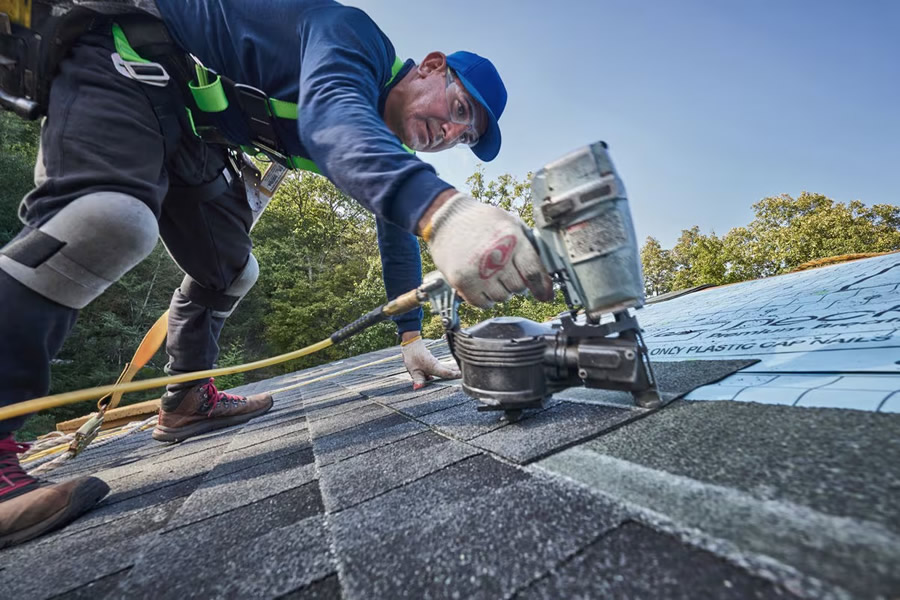
Once the roof deck and protective layers are ready, the crew begins installing the new shingles or other selected roofing materials.
For asphalt shingle roofs, this involves carefully positioning and fastening each course according to the manufacturer’s specifications. Special attention is given to roof valleys, ridges, eaves, chimneys, vents, and other areas where proper installation is essential to prevent water intrusion.
The complexity of the roof design and the type of material selected can have a significant impact on how long this stage takes.
5. Final Inspection and Cleanup
After the roofing materials have been installed, the contractor should inspect the completed work to verify that the roofing system has been properly installed. The crew also removes leftover materials and construction debris from the property. Magnetic equipment is commonly used to collect loose roofing nails from driveways and surrounding areas.
A final walkthrough helps confirm that the project is complete and that the property has been left in good condition.
What Factors Can Affect the Time Needed to Replace a Roof?
Although many residential roof replacements are completed within a few days, no two homes are exactly alike. Several conditions can influence the installation schedule.
Roof Size and Architectural Complexity
The overall size of your roof is one of the most obvious factors affecting installation time. A larger roof requires more materials, more preparation, and additional labor. However, square footage is not the only consideration. A roof with multiple valleys, dormers, skylights, chimneys, and steep sections generally requires more detailed installation work than a simple roof with a straightforward design.
Steep slopes may also require additional safety equipment and specialized procedures, which can affect productivity.
The Type of Roofing Material
The roofing material you choose can influence both the installation process and the project schedule. Asphalt shingles are commonly used for residential roofing because they offer a practical combination of durability, appearance, and installation efficiency. Metal roofing may require additional preparation and more specialized installation techniques. Tile and composite roofing systems can also involve different handling requirements, fastening methods, and detailing.
For this reason, homeowners should consider installation time alongside material quality, expected lifespan, appearance, and long-term maintenance requirements.
The Condition of the Existing Roof
Sometimes a roof appears to be in acceptable condition from the outside, but removing the existing materials reveals hidden damage.
Rotten decking, water intrusion, deteriorated flashing, and damaged structural components may require additional work before the new roof can be installed. Although these repairs can extend the schedule, addressing them is essential. Installing a new roof over compromised materials can create problems that may become expensive to correct later.
Weather Conditions in Denver and Colorado
Weather is another important factor when planning a residential roof replacement. Denver experiences a wide range of conditions throughout the year, including summer thunderstorms, strong winds, hail, rain, and winter snowfall. These conditions can affect material handling, roof preparation, and installation safety. For example, roofing crews may need to postpone work during heavy rain, snow, icy conditions, or high winds. Certain roofing products also have manufacturer-specific temperature requirements for proper installation. A professional contractor should monitor the forecast and schedule the work around conditions that allow the roofing system to be installed correctly.
Crew Size and Project Preparation
The experience and organization of the roofing crew also influence how efficiently a project moves forward. An experienced team with the appropriate equipment, materials, and preparation can complete many standard installations within a relatively short period. However, speed should never come at the expense of workmanship. Proper preparation, installation details, flashing, and final inspections are more important than finishing a project as quickly as possible.
Can a Roof Be Replaced in One Day?
Yes. Some residential roof replacements can be completed in one day, especially when the home has a relatively small roof, a straightforward design, and asphalt shingles. A well-organized crew can remove the existing materials, inspect the decking, install the necessary protective layers, and complete the new roofing installation within a single working day under favorable conditions.
However, larger homes or projects involving extensive repairs may require two or more days.
Homeowners should be cautious about contractors who promise to replace any roof in a single day without first evaluating the property. A realistic installation schedule should be based on the actual roof conditions, materials, and scope of work.
When Is the Best Time of Year to Replace a Roof in Denver?
Roof replacement can take place during different seasons in Colorado, but weather conditions play an important role in determining the most appropriate schedule. Spring and summer are popular periods for roofing projects because they generally provide more opportunities for suitable installation weather. However, summer thunderstorms and hail can create scheduling challenges.
Fall is also a common time for homeowners to replace their roofs before winter arrives. Completing necessary roofing work before the snow season can help reduce the risk of entering colder months with damaged or deteriorating materials. Winter installations may be possible under certain conditions, but snow, ice, low temperatures, and shorter daylight hours can create additional challenges. Some roofing materials also have specific installation requirements that must be followed.
Rather than choosing a season based solely on the calendar, homeowners should have their roof evaluated and discuss the installation schedule with an experienced local roofing contractor.
How Should You Prepare Your Home for a Roof Replacement?
A little preparation can make the replacement process easier for everyone involved and help protect your property while the work is underway. Before installation begins, consider moving vehicles away from the driveway and clearing outdoor areas around the home. Roofing crews need sufficient space for equipment, material deliveries, and debris removal.
Inside the house, you may want to remove fragile items from walls and shelves, particularly in rooms directly beneath the roof. Removing pictures or decorative objects can help prevent accidental damage from the vibration associated with roofing work. It is also a good idea to keep pets and children away from the construction area. Roof replacement involves heavy materials, tools, ladders, and falling debris, so maintaining a safe distance is important.
Your contractor should explain any additional preparation specific to your property before the scheduled installation date.
Is It Better to Repair Your Roof or Replace It Completely?
Not every roofing problem requires a complete replacement. In some situations, a localized repair can restore the roof’s protection without the expense of installing an entirely new system. However, if your roof has widespread shingle deterioration, recurring leaks, extensive storm damage, or is approaching the end of its expected service life, replacement may be a more practical long-term investment.
The decision should be based on the overall condition of the roofing system rather than the age of the roof alone. A professional inspection can help determine whether the damage is isolated or whether several components are showing signs of deterioration. It can also help identify hidden problems that may affect the performance of a new installation. If you are comparing repair and replacement options, make sure the contractor explains the condition of the existing roof, the recommended work, and the expected benefits of each solution.
Plan Your Roof Replacement With Premier Restoration & Construction
A residential roof replacement is more than installing a new layer of shingles. It requires proper planning, attention to detail, quality materials, and an understanding of how different roofing components work together.
At Premier Restoration & Construction, we bring more than 40 years of experience to residential and commercial roofing projects in Denver, Colorado, and surrounding communities. We understand the demands that Colorado weather places on roofing systems and the importance of completing every project with professional workmanship.
Whether your home needs a complete roof replacement, repairs following storm damage, or an evaluation of an aging roofing system, our team can help you understand your options and plan the work according to your property’s needs. We provide residential roofing services that include roof replacement, roof repair, maintenance, and solutions involving different roofing materials. We also work with commercial property owners who need dependable roofing services.
If you are planning a residential roof replacement in Denver, let Premier Restoration & Construction help you understand the process, establish a realistic project timeline, and protect your home with a roofing system built for Colorado conditions.
Contact Premier Restoration & Construction to schedule a professional roof evaluation and discuss your residential roofing project.