When homeowners think about protecting their roofs, they usually focus on shingles, flashing, gutters, and other visible components. However, one of the most important factors affecting the condition and lifespan of a roofing system is located underneath the roof itself: attic ventilation. An attic that does not have proper airflow can create problems that develop gradually and often go unnoticed until visible damage appears. Excessive heat, trapped moisture, condensation, and uneven temperatures can all contribute to premature roof deterioration. Even if your shingles are relatively new, poor ventilation can affect how well your entire roofing system performs over time.
For homeowners in Denver and throughout Colorado, attic ventilation deserves particular attention. Seasonal temperature changes, winter snow, summer heat, and varying humidity levels can put additional stress on roofing materials when airflow is inadequate.
Understanding how attic ventilation works and recognizing the warning signs of a problem can help you protect your investment and avoid unnecessary roof repairs or premature replacement.
Why Is Attic Ventilation Important for Your Roof?
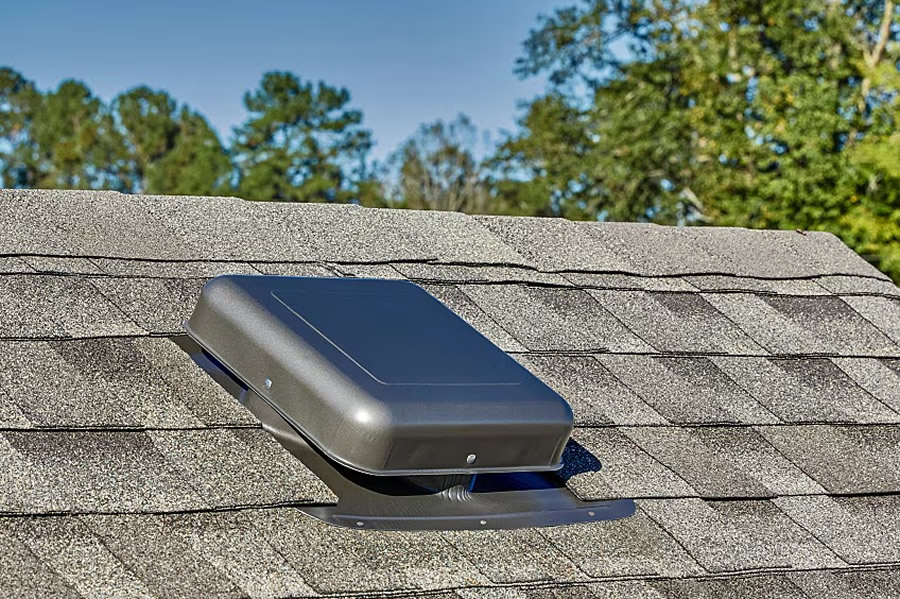
A properly ventilated attic allows outside air to circulate through the space beneath your roof. In a typical residential ventilation system, cooler air enters through intake vents, usually located near the soffits, while warmer air exits through exhaust vents positioned near the roof ridge or other high points.
This continuous airflow helps regulate attic temperatures and remove excess moisture before it accumulates. Although ventilation does not eliminate every roofing problem, it plays an important role in maintaining a healthier attic environment. Without adequate airflow, heat and moisture can become trapped. During warmer months, attic temperatures can rise significantly, placing additional stress on roofing materials and potentially increasing cooling demands inside the home. During colder months, moisture from everyday household activities can migrate into the attic and condense on cooler surfaces.
Over time, these conditions can contribute to material deterioration, mold growth, damaged roof decking, and other problems that may require professional attention.
1. Excessive Attic Heat Can Accelerate Shingle Deterioration
One of the most common consequences of poor attic ventilation is excessive heat buildup during the summer. When hot air cannot escape efficiently, attic temperatures can rise well above outdoor temperatures.
This trapped heat creates an environment that places additional thermal stress on the roofing system. Asphalt shingles are manufactured to withstand normal weather exposure, but excessive heat combined with other environmental factors can contribute to premature aging. Over time, homeowners may notice curling shingles, deterioration, or other signs that the roofing materials are no longer performing as expected. It is important to understand that poor ventilation is not the only possible cause of these conditions. Installation quality, material selection, roof orientation, and general weather exposure also influence how long shingles last.
For homeowners considering a new asphalt shingle roof, proper ventilation should be part of the overall roofing evaluation rather than an afterthought.
2. Moisture Buildup Can Damage Roof Decking
Heat is only part of the problem. Moisture trapped inside an attic can be equally damaging, particularly when it repeatedly accumulates on wood surfaces. Everyday activities such as cooking, showering, laundry, and even breathing release moisture into the indoor environment. If this warm, humid air finds its way into the attic through ceiling penetrations or an improperly sealed attic floor, it can condense when it comes into contact with colder surfaces.
Over time, repeated condensation can affect the plywood or OSB roof decking. Wood that remains damp for extended periods may deteriorate, lose structural integrity, or become vulnerable to fungal growth.
In severe cases, the damage can extend beyond the attic and require more extensive roofing repairs.
This is one reason why a roof inspection should sometimes include an evaluation of the attic. Looking only at the exterior shingles may not reveal moisture problems developing underneath the roofing system.
3. Poor Ventilation Can Contribute to Ice Dams in Winter
Ice dams are a recurring concern for homeowners in Denver and other Colorado communities that experience winter snowfall.
An ice dam develops when heat escaping from the home warms sections of the roof, causing snow to melt. As the water moves toward colder roof edges, it can refreeze and gradually create a buildup of ice.
When ice prevents proper drainage, melting snow may back up beneath shingles and enter the roofing system. This can lead to water stains, damaged insulation, deteriorating roof decking, and interior water damage.
Poor attic insulation and air sealing are major contributors to the uneven roof temperatures associated with ice dams. Inadequate ventilation can also contribute to the problem by limiting the removal of excess heat from the attic. However, ventilation alone is not a complete solution. Preventing ice dams generally requires evaluating insulation levels, air leaks, ventilation, and roof conditions together.
For Colorado homeowners, addressing these factors before winter can help reduce the risk of moisture-related roofing damage.
4. Excess Moisture Can Lead to Mold and Wood Rot
When moisture remains trapped in an attic, it creates conditions that may support mold growth and wood deterioration.
You might notice dark spots on roof decking, discoloration around rafters, a musty smell, or visible condensation on nails and other metal components. These signs should not be ignored, especially if they appear repeatedly during colder months. Mold and moisture problems do not necessarily mean the roof itself is leaking. In some situations, the source is condensation caused by warm indoor air entering a cold attic.
On the other hand, roof leaks can introduce moisture that creates similar symptoms. That is why identifying the source is essential before deciding on a repair.
A professional evaluation can help determine whether the problem involves ventilation, insulation, air leakage, damaged roofing materials, or a combination of these conditions.
5. Poor Airflow Can Affect the Entire Roofing System
A roof is not simply a layer of shingles installed over wood. It is a complete system made up of roofing materials, underlayment, flashing, decking, insulation, ventilation components, and drainage details.
When one part of this system is not performing correctly, other components can experience additional stress.
For example, excessive attic temperatures can contribute to premature material deterioration, while persistent moisture can damage roof decking and surrounding structural components. If these problems remain unresolved, a homeowner may eventually face repairs that extend well beyond the original ventilation issue. This is particularly important when evaluating an older roof. Replacing shingles without addressing existing attic moisture or ventilation problems may leave the underlying conditions unchanged.
A complete roofing assessment should consider how all these components work together.
Warning Signs Your Attic May Not Have Proper Ventilation
Not every ventilation problem is immediately visible from the outside. However, several warning signs may indicate that your attic needs attention.
Some of the most common include:
- Excessive attic temperatures: The attic becomes unusually hot during summer, although temperature alone is not enough to confirm inadequate ventilation.
- Condensation: Moisture appears on roof decking, nails, or other surfaces, particularly during colder weather.
- Mold or discoloration: Dark spots develop on wooden components or around attic surfaces.
- Curling or deteriorating shingles: Roofing materials show signs of premature aging, although other causes must also be considered.
- Ice dams: Ice repeatedly accumulates along roof edges after winter snowfall.
- Musty odors: Persistent odors may indicate moisture problems or microbial growth.
- Rising cooling costs: Excessive attic heat may contribute to higher indoor cooling demands, depending on the home’s insulation and overall thermal performance.
If you recognize several of these conditions, it may be time to have your attic and roofing system evaluated by a qualified professional.
How to Improve Attic Ventilation and Protect Your Roof
Correcting poor attic ventilation requires more than installing an additional vent. The ventilation system must be designed to provide balanced airflow based on the attic configuration, roof design, and applicable building requirements. A proper evaluation should begin by checking the existing intake and exhaust vents. Soffit vents, ridge vents, gable vents, and other ventilation components should be inspected to determine whether they are properly installed, unobstructed, and working together.
Insulation and air sealing should also be evaluated. If warm indoor air is escaping through gaps around ceiling fixtures, attic access openings, plumbing penetrations, or other areas, improving ventilation alone may not solve the moisture problem.
In many homes, the best approach involves correcting air leaks, ensuring adequate insulation, and providing properly balanced attic ventilation.
It is also important to avoid mixing incompatible ventilation systems. For example, certain combinations of ridge and lower exhaust vents can interfere with the intended airflow pattern rather than improve it.
A roofing professional familiar with residential ventilation systems can help determine which improvements are appropriate for your home.
Does Poor Attic Ventilation Mean You Need a New Roof?
Not necessarily. Poor attic ventilation does not automatically mean your roof needs to be replaced.
If the shingles, flashing, underlayment, and roof decking are still in good condition, correcting the ventilation problem may help protect the existing roofing system and reduce the risk of future damage. However, if inadequate ventilation has contributed to widespread shingle deterioration, damaged decking, persistent moisture problems, or structural concerns, more extensive work may be necessary.
The right solution depends on the age of the roof, the extent of the damage, the condition of the underlying materials, and whether the existing ventilation system meets the needs of the home.
Before investing in another roof repair or a complete roof replacement, it is worth understanding what is happening beneath the roof surface.
Protect Your Roof With Professional Roofing Services in Denver
Your roof protects your home every day, but its long-term performance depends on more than the condition of the shingles you can see from the ground. Proper attic ventilation, insulation, moisture control, and routine maintenance all contribute to the durability of a residential roofing system.
At Premier Restoration & Construction, we bring more than 40 years of experience to residential and commercial roofing projects in Denver, Colorado, and surrounding communities. We understand the demands that Colorado’s changing weather conditions place on roofing systems and the importance of identifying problems before they develop into costly damage.
Whether you are concerned about poor attic ventilation, recurring roof leaks, deteriorating shingles, storm damage, or the overall condition of your roof, our team can help evaluate your roofing needs and recommend the appropriate solution. From professional roof inspections and residential roof repairs to complete roof replacements and ongoing roofing maintenance, we are committed to helping property owners protect their investments with dependable workmanship and professional service.
If you suspect that poor attic ventilation is affecting your roof, contact Premier Restoration & Construction to schedule a professional roofing evaluation in Denver, CO. Addressing the problem early can help extend the service life of your roofing system and prevent avoidable damage to your home.