

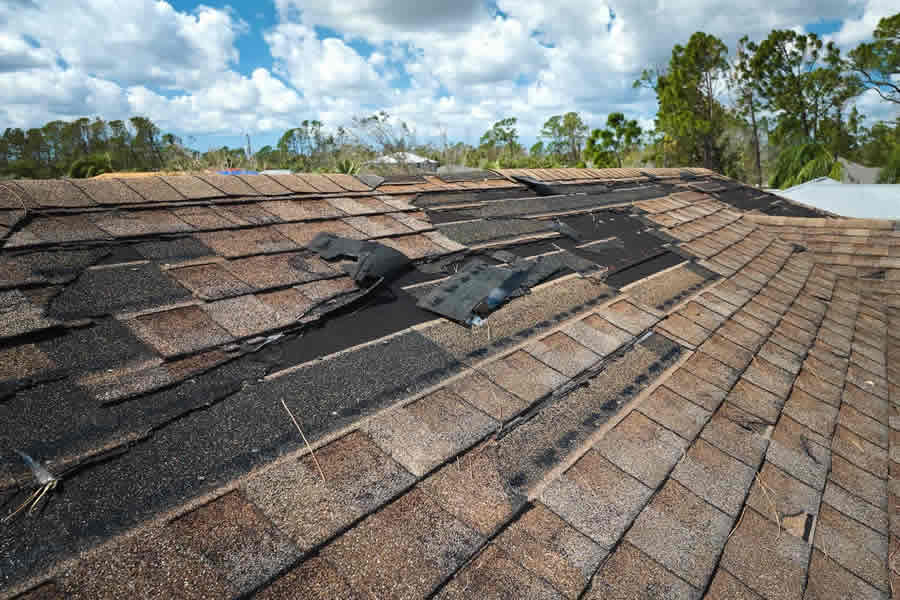
When a storm damages your roof, knowing what to do next can make a significant difference in how you handle an insurance claim. Whether the damage comes from hail, strong winds, heavy snow, or falling debris, documenting the condition of your roof is an important first step before contacting your insurance company.
Proper documentation helps establish what happened, when the damage occurred, and how it affected your property. It also gives your insurance adjuster useful information when evaluating the claim and determining whether the damage may be covered under your policy.
For homeowners in Colorado, where severe weather can change quickly, knowing how to document roof damage is especially important. A few photographs, written observations, and organized records can help create a clearer picture of the property’s condition after a storm.
Start by Documenting the Damage as Soon as Possible
Timing matters when documenting roof damage. After a storm passes and conditions are safe, inspect your property from the ground and look for visible signs of damage. Hailstorms may leave dents on gutters, downspouts, metal flashing, and roof vents. Strong winds can loosen or remove shingles, while falling branches may cause visible damage to roofing materials and other parts of the house.
Take photographs as soon as practical. These images help establish the property’s condition shortly after the weather event and may be useful when discussing the incident with your insurance company. If additional damage develops later, document those changes separately. Keeping a record of when each observation was made can help distinguish the original storm damage from subsequent problems.
Take Clear Photographs of All Visible Roof Damage
Photographs are among the most useful pieces of evidence when preparing a homeowners insurance claim. However, taking pictures of the roof alone may not provide enough information. Start by photographing the entire property from several angles. Include wide shots showing the roof, exterior walls, gutters, and surrounding landscape. These images establish the general condition of the home after the storm.
Next, photograph visible damage from safe locations. Look for missing or displaced shingles, damaged flashing, dented metal components, damaged gutters, broken roof accessories, and fallen tree limbs. Whenever possible, take both wide and close-up photographs. A wide image shows where the damage occurred, while a close-up provides details that may be difficult to see from a distance.
Avoid climbing onto a damaged roof to take pictures. Loose shingles, wet surfaces, structural damage, and unstable materials can create serious safety hazards. A professional roofing contractor can perform a closer inspection and document areas that are not safely accessible.
Look for Interior Signs of Roof Damage
Roof damage is not always limited to the exterior of a property. Water can enter through compromised roofing materials and affect insulation, ceilings, walls, and other interior components. After a storm, inspect your attic and interior rooms for signs of moisture intrusion. Look for water stains on ceilings, discoloration around walls, damp insulation, peeling paint, and visible dripping.
Photograph any affected areas before beginning cleanup or repairs, provided it is safe to do so. These images can help establish the extent of the damage inside the home. If water is actively entering the property, take reasonable steps to protect your belongings and prevent further damage. Place containers under leaks, move furniture away from affected areas, and contact qualified professionals when necessary.
Do not delay emergency mitigation simply to preserve photographs. Preventing additional damage is more important than obtaining perfect documentation.
Record the Date and Details of the Storm
Accurate information about the weather event can help provide context for your insurance claim. Write down the date and approximate time of the storm. Include the type of weather involved, such as hail, high winds, heavy rain, or significant snowfall.
You should also record any observations about what happened during the event. For example, you may have heard hail striking the roof, noticed tree branches falling, or observed shingles blowing away during strong winds. If you have access to local weather reports or official storm information, keep copies of relevant records. These may help establish the weather conditions in your area around the time the damage occurred.
Avoid making assumptions about the cause or extent of the damage. Your notes should describe what you actually observed rather than presenting an unverified technical conclusion.
Create a Written Inventory of the Damage
Along with photographs, prepare a written list of all visible damage to your property.
Include roofing components and other affected areas, such as:
- Asphalt shingles that are missing, cracked, or displaced.
- Metal flashing, vents, and roof accessories showing visible damage.
- Gutters and downspouts with dents or separation.
- Roof edges and fascia affected by wind or falling debris.
- Ceiling stains, water intrusion, and damaged drywall.
- Attic insulation or other interior materials affected by moisture.
- Damaged siding, windows, fences, or other exterior components.
For each item, note its location and describe what you observed. If you are unsure whether something is storm-related, record the condition without assigning a cause.
This inventory can help you organize information before the insurance inspection and make it easier to discuss the affected areas with your adjuster.
Keep All Receipts and Records Related to Emergency Repairs
After a storm, temporary repairs may be necessary to prevent additional water damage. For example, a qualified professional may recommend temporary roof covering, debris removal, or emergency water mitigation. Keep copies of invoices, receipts, work orders, and written recommendations associated with these services.
Take photographs before and after temporary repairs whenever possible. This creates a record of the original damage and documents the steps taken to protect the property. It is important to distinguish temporary repairs from permanent roofing work. Before authorizing major repairs or signing agreements related to an insurance claim, review your policy requirements and communicate with your insurance company.
Do not assume that every repair expense will automatically be reimbursed. Coverage depends on the policy, the circumstances of the damage, applicable deductibles, and the insurer’s determination.
Schedule a Professional Roof Inspection
Some types of roof damage are difficult to identify without a closer inspection. Hail impacts, lifted shingles, compromised flashing, and damage to roofing components may not be obvious from the ground. A qualified roofing contractor can inspect the roof, identify visible damage, and document relevant findings through photographs and written observations.
A professional inspection can also help distinguish between different types of roofing problems. For example, a leak may result from storm damage, aging materials, deteriorated flashing, or an existing maintenance issue. This distinction matters because insurance coverage generally depends on the cause of the damage and the specific terms of the policy.
For homeowners, obtaining an independent roofing assessment before or during the claims process can provide useful technical information. However, the roofing contractor does not determine insurance coverage or guarantee claim approval. Those decisions belong to the insurance company.
Organize Your Documentation Before Contacting Your Insurance Company
Once you have collected photographs, written observations, storm information, and repair records, organize everything into a single file.
A simple folder structure can make the information easier to review:
1. Storm Information: Date, approximate time, weather conditions, and relevant local reports.
2. Exterior Photographs: Overall property images and close-ups of visible roof and exterior damage.
3. Interior Photographs: Ceiling stains, leaks, damaged walls, and attic moisture.
4. Inspection Reports: Written findings and photographs from qualified roofing professionals.
5. Repair Records: Receipts, invoices, temporary repair documentation, and mitigation expenses.
Keep digital copies of all documents and photographs. If possible, preserve the original image files with their timestamps and avoid editing the images in ways that could remove relevant information.
When you contact your insurance company, follow its instructions for reporting the damage and submitting supporting documentation. Ask about deadlines, inspection procedures, deductibles, and any requirements for temporary repairs.
Common Mistakes to Avoid When Documenting Roof Damage
Even when homeowners recognize that their roof has been damaged, certain mistakes can make the documentation process more difficult. One common mistake is waiting too long to take photographs. Delayed documentation may make it harder to establish the property’s condition immediately after the storm. Another mistake is attempting to inspect the roof without proper safety equipment or experience. Walking on damaged roofing materials can cause additional damage and put you at risk of injury.
Homeowners should also avoid throwing away damaged materials before documenting them, whenever it is practical and safe to preserve them. If materials must be removed for emergency repairs, photograph the affected area and keep relevant repair records. Finally, avoid exaggerating damage or assuming that every roofing issue is covered by insurance. Accurate, honest documentation is more useful than unsupported claims.
Protecting Your Home After Storm Damage
Documenting roof damage is an important part of protecting your home and preparing for the insurance claims process. Clear photographs, written observations, storm records, and professional inspection findings can help establish the condition of your property and provide useful information during the evaluation. In Colorado, where hailstorms, strong winds, heavy snow, and sudden weather changes can affect residential roofing systems, early inspection and proper documentation are especially valuable.
At Premier Restoration & Construction, we understand the importance of identifying roofing problems and helping homeowners understand the condition of their roofs after severe weather. Whether your home has missing shingles, suspected hail damage, roof leaks, or visible storm-related deterioration, a professional inspection can help determine what repairs may be necessary.
If you suspect your roof has been damaged by a recent storm, contact Premier Restoration & Construction to schedule an inspection and discuss the next steps for protecting your home.
Frequently Asked Questions
Should I inspect my roof before filing an insurance claim?
You should document visible damage from safe locations and consider scheduling a professional roof inspection. Avoid climbing onto the roof yourself, especially if materials are loose or conditions are unsafe.
What pictures should I take for a roof insurance claim?
Take photographs of the entire property, visible roof damage, gutters, flashing, siding, and any interior water damage. Include both wide-angle images and close-ups to provide context and detail.
Can a roofing contractor document storm damage?
Yes. A qualified roofing contractor can inspect the roof, photograph visible damage, and prepare a report describing the roofing conditions. The insurance company makes the final coverage determination.
Should I repair my roof before the insurance adjuster visits?
You should take reasonable steps to prevent additional damage, including necessary temporary repairs. Document the damage before work begins whenever possible, keep receipts, and follow your insurer’s instructions.
How long do I have to file a roof damage insurance claim?
The deadline depends on your insurance policy and applicable state requirements. Contact your insurance company promptly after discovering damage and review your policy for reporting requirements.
Does hail damage always qualify for an insurance claim?
No. Coverage depends on the insurance policy, the cause and extent of the damage, applicable exclusions, deductibles, and the insurer’s evaluation. A professional inspection can help identify whether the roof shows signs consistent with hail damage.