One of the most common questions homeowners ask when considering a metal roof is whether it will be noisy during rainstorms or snowfall. Many people picture the sound of heavy rain hitting an old metal shed or a thin sheet of metal, and naturally wonder whether the same thing will happen inside their home. It is an understandable concern, especially for homeowners in Denver and throughout Colorado, where roofs must withstand everything from summer thunderstorms and hail to winter snowstorms. Nobody wants to invest in a new roofing system only to discover that every rainstorm makes it difficult to sleep, work, or enjoy a quiet evening indoors.
The good news is that a properly installed residential metal roof is generally not significantly noisier than other roofing systems. Modern metal roofing is designed as part of a complete roof assembly that includes roof decking, underlayment, insulation, and other components that help reduce the transmission of outside noise. The final result depends much more on the construction of the roof assembly and the quality of the installation than on the metal panels themselves.
Why Do People Think Metal Roofs Are Noisy?
The idea that metal roofs are excessively loud comes largely from older structures such as barns, sheds, garages, and agricultural buildings. These buildings often use exposed metal panels installed directly over open framing, with little or no insulation or sound-dampening material underneath.
When rain hits that type of surface, the sound can travel directly through the structure. The same thing can happen with hail or small pieces of ice striking an exposed metal panel. A residential roofing system is constructed differently. In most homes, metal panels are installed over a solid roof deck or an appropriate supporting system, with underlayment and insulation providing additional layers between the exterior roofing material and the interior living space.
These layers help absorb and reduce sound transmission, making the noise from rainfall or snowfall much less noticeable indoors. This is why comparing a modern residential metal roof to the roof of an uninsulated storage shed is not an accurate way to judge how noisy metal roofing will be.
How Much Noise Does a Metal Roof Make During Rain or Snow?
The sound produced by rain hitting a metal roof depends on several factors, including the intensity of the rainfall, the type of metal panels, the roof assembly, and the insulation beneath the roofing material.
During light or moderate rain, most homeowners with a properly constructed metal roofing system notice little difference compared with other roofing materials. Heavy rainfall may be more noticeable, but the sound is generally not disruptive when the roof has adequate decking, insulation, and properly installed components. Snow behaves somewhat differently. Unlike rain, snow typically does not create the same continuous impact noise when it lands on a roof. Light snowfall is usually quiet, while heavier snow accumulation may produce occasional sounds as snow shifts or slides along the roofing surface. Metal roofs can also allow snow to slide off more readily under certain conditions, which is something homeowners should consider when planning roof design and snow-retention systems.
Colorado homeowners should also understand that hail is different from ordinary rain or snow. Hailstones can create noticeable impact sounds on virtually any roofing surface, although the amount of noise heard inside depends on the complete roof assembly.
What Makes a Metal Roof Quieter?
The most important factor in controlling noise is the way the entire roofing system is designed and installed. Metal panels are only one part of that system.
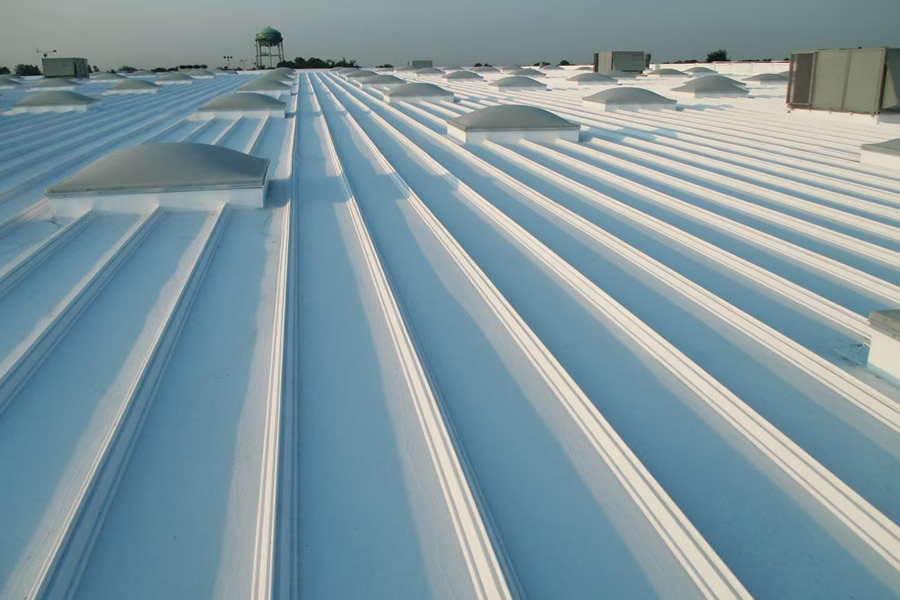
A solid roof deck provides a stable surface beneath the metal panels and helps reduce the direct transmission of sound into the home. Underlayment adds another protective layer, while attic insulation can help reduce the amount of outside noise that reaches interior living spaces. The type of metal roofing system also matters. Standing seam metal roofing, for example, uses raised seams and concealed fastening systems, while exposed-fastener panels have a different installation design. Neither system should automatically be considered noisy or quiet based on appearance alone. The supporting structure, panel specifications, and installation details all influence the finished result.
Attic construction is equally important. Homes with properly installed insulation and adequate air sealing generally have better control over outside noise and indoor temperature fluctuations. These improvements can benefit the home’s overall energy performance as well as its acoustic comfort.
For this reason, homeowners should discuss the complete roofing assembly with their contractor rather than focusing exclusively on the metal panels.
Is a Metal Roof Noisier During Colorado Hailstorms?
This is an especially relevant question for homeowners in Denver, where hailstorms are a recurring concern during certain times of the year.
Hail striking a metal roof can produce noticeable noise, particularly during intense storms. However, it is important to distinguish between the sound of hail hitting the exterior surface and the amount of noise that actually enters the home. A properly constructed roof assembly helps reduce the transmission of those impact sounds. The amount of noise will depend on the roofing material, roof decking, insulation, attic configuration, and the severity of the storm.
Homeowners should also remember that noise is not the only consideration when selecting a roofing material for Colorado. Hail resistance, impact ratings, installation quality, manufacturer specifications, and the long-term maintenance requirements of the roofing system are all important factors.
Metal roofing can be a practical option for certain Colorado properties, but the best choice depends on the home’s design, budget, and specific performance requirements.
Are Metal Roofs Worth It for Residential Homes in Denver?
For many homeowners, metal roofing offers several advantages beyond its appearance. Depending on the product selected and the quality of installation, a metal roof can provide a long service life, good resistance to many weather conditions, and relatively low routine maintenance requirements. Metal roofing is available in different profiles, finishes, and colors, making it suitable for a variety of architectural styles. Some systems are also designed to reflect a significant portion of solar radiation, potentially helping reduce heat absorption during warmer months.
However, metal roofing is not the right solution for every property. Initial installation costs can be higher than those of conventional asphalt shingles, and proper detailing around roof penetrations, valleys, edges, and transitions is essential to achieve reliable performance.
Homeowners should compare the expected lifespan, material warranties, installation requirements, maintenance needs, and overall cost of each option before making a decision.
The best roofing system is not necessarily the most expensive or the most popular one. It is the system that meets the property’s structural requirements, performs well under local weather conditions, and provides the level of durability and protection the homeowner expects.
Choosing the Right Metal Roofing System for Your Home
If you are considering a metal roof, it is worth having an experienced roofing contractor evaluate your existing roof and explain which systems are appropriate for your property. Factors such as roof slope, structural support, attic insulation, ventilation, and local weather exposure can all influence the final recommendation.
At Premier Restoration & Construction, we bring more than 40 years of experience to residential and commercial roofing projects in Denver, Colorado, and surrounding communities. We understand that choosing a new roof involves more than selecting a material based on appearance. Homeowners need to know how their roofing system will perform, what installation involves, and whether it is a practical long-term investment.
Our residential roofing services include roof inspections, roof repairs, roof replacement, and metal roofing solutions. We work with property owners to evaluate their roofing needs and identify options that provide dependable protection under Colorado’s changing weather conditions. Whether you are concerned about noise during rainstorms, the impact of hail, or the long-term performance of a metal roof, our team can help you understand the available options and make an informed decision.
If you are considering residential metal roofing in Denver, CO, contact Premier Restoration & Construction to discuss your project and schedule a professional roof evaluation.