

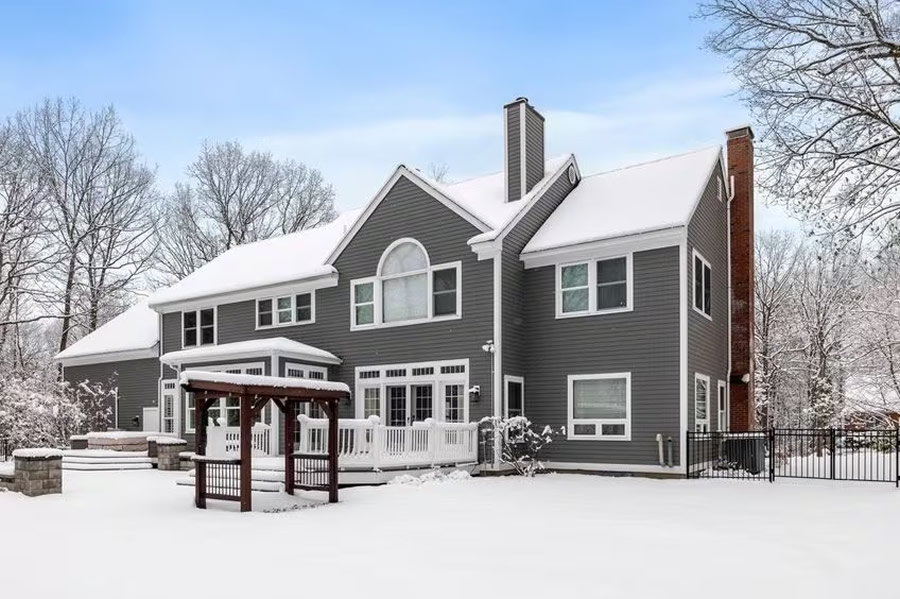
Colorado winters can be hard on residential roofs. Snow, freezing temperatures, strong winds, hail damage from earlier seasons, and repeated freeze-thaw cycles can all put additional stress on an aging or damaged roofing system. For homeowners considering a roof replacement, one question becomes especially important as fall approaches: Is it better to replace your roof before winter?
In many cases, replacing a roof before winter is a practical decision. Completing the project while temperatures are still relatively mild can make installation easier, allow contractors to work under more predictable conditions, and help homeowners avoid entering the coldest months with an existing roof that may already be showing signs of failure. However, the right timing depends on the roof’s current condition, the roofing material, the weather forecast, and the scope of the project.
Why Roof Replacement Before Winter Matters in Colorado
A roof that is already nearing the end of its useful life may become more vulnerable when winter weather arrives. Shingles that have lost their protective granules, deteriorated flashing, loose roofing materials, and damaged areas around chimneys or vents can allow water to enter the roof assembly. Once temperatures drop, moisture can freeze and expand inside small openings, potentially making existing damage worse.
Snow accumulation also adds weight to the roofing structure. A properly designed and maintained roof should be able to handle normal snow loads, but an aging roof with damaged decking, deteriorated materials, or unresolved leaks may have less capacity to withstand additional stress. Another concern is the repeated cycle of melting and refreezing. During the day, sunlight can melt snow on the roof. When temperatures fall overnight, that moisture can freeze again. If water reaches vulnerable areas near the roof edge, valleys, flashing, or other transitions, it can contribute to ice-related problems and water intrusion.
Replacing a roof before these conditions become more frequent gives homeowners an opportunity to address existing problems before winter puts additional demands on the roofing system.
Is Fall the Best Time to Replace a Roof?
Fall is often a convenient season for residential roof replacement in Colorado because temperatures are generally more moderate than during the coldest winter months. Roofing crews can usually work with fewer temperature-related limitations, and many shingle installation requirements are easier to meet. Asphalt shingles, for example, rely on adhesive strips that help individual shingles seal together. These strips are activated by heat from the sun. When temperatures are low, the sealing process can take longer, and installers may need to follow additional manufacturer recommendations to ensure proper installation.
Fall can also provide a useful window to inspect the roof structure, replace damaged decking, install underlayment, and address flashing details before snow and ice become regular concerns. However, fall is not automatically the right time for every homeowner. Contractors may have busy schedules during this season, particularly after major hailstorms or periods of severe weather.
For that reason, homeowners who already know their roofs need replacement should avoid waiting until the first major snowfall to start planning the project.
Can You Replace a Roof During Winter in Colorado?
Yes, residential roof replacement can sometimes be completed during winter, but the process requires more careful planning. Cold temperatures, snow, ice, wind, and shorter daylight hours can affect installation conditions and the materials being used. For asphalt shingle roofs, cold weather can make shingles less flexible and more susceptible to cracking during handling. Their adhesive strips may also take longer to activate. Depending on the product and temperature, installers may need to use specific cold-weather procedures permitted by the manufacturer.
Other roofing materials have their own installation requirements. Metal roofing, for instance, does not depend on the same adhesive sealing process as asphalt shingles, but the installation still requires safe working surfaces, appropriate fastening, and suitable weather conditions.
A professional roofing contractor should evaluate the forecast, roof conditions, material specifications, and manufacturer instructions before deciding whether a winter installation is appropriate. If the roof is covered in snow or ice, or if temperatures and wind conditions make the work unsafe, the project may need to be postponed.
This is why replacing a roof before winter is often easier to schedule, even though winter replacement is not necessarily impossible.
What If Your Roof Is Already Leaking?
If your roof is leaking, waiting until spring simply because winter is approaching can create a more expensive problem. Water entering the home can damage insulation, ceilings, walls, framing, and other interior components. Even a relatively small leak can spread beyond the area where the water becomes visible. Not every leak requires a complete roof replacement. Sometimes the problem is limited to damaged flashing, missing shingles, deteriorated sealant, or a specific section of the roofing system. In those situations, a professional roof inspection can help determine whether a targeted repair is sufficient.
However, if the roof has widespread deterioration, repeated leaks, extensive shingle damage, or underlying structural concerns, replacing it before winter may be the more appropriate long-term solution.
Homeowners should also remember that a temporary repair is not always a permanent solution. If a roof is already failing in several areas, repairing one visible leak may not prevent other problems from developing during the winter.
Signs Your Roof Should Be Replaced Before Winter
Some roofing problems are easy to recognize, while others develop gradually. Missing or curling shingles, exposed areas of the roof, damaged flashing, recurring leaks, and excessive granule loss can all indicate that the roofing system needs attention. Age is another important consideration, although it should never be the only factor used to decide whether a roof needs replacement. The actual condition of the shingles, the quality of the original installation, ventilation, maintenance history, and exposure to Colorado’s weather all influence how well a roof performs over time.
If you notice water stains on ceilings, moisture in the attic, damaged shingles after a storm, or recurring leaks around roof penetrations, it is worth arranging an inspection before winter conditions make the problem more difficult to address.
Plan Your Roof Replacement Before Cold Weather Arrives
Replacing a residential roof before winter can help Colorado homeowners avoid carrying existing roofing problems into a season when snow, freezing temperatures, and changing weather conditions can make repairs more complicated. It also provides a better opportunity to complete the installation under suitable conditions and address any damage discovered beneath the old roofing materials. The most important step is to evaluate the roof before deciding when to replace it. A roof with minor, isolated damage may only need a repair, while one with widespread deterioration may require a complete replacement. Making that distinction early can help homeowners plan the work instead of reacting to a leak during the middle of winter.
Premier Restoration & Construction brings more than 40 years of experience to residential roofing projects in Denver and surrounding Colorado communities. Whether your roof needs a professional inspection, a repair, or a complete replacement, our team can help you understand its condition and determine the appropriate next step.
If you are concerned about your roof before winter arrives, contact Premier Restoration & Construction to schedule an inspection and discuss your residential roofing options.