
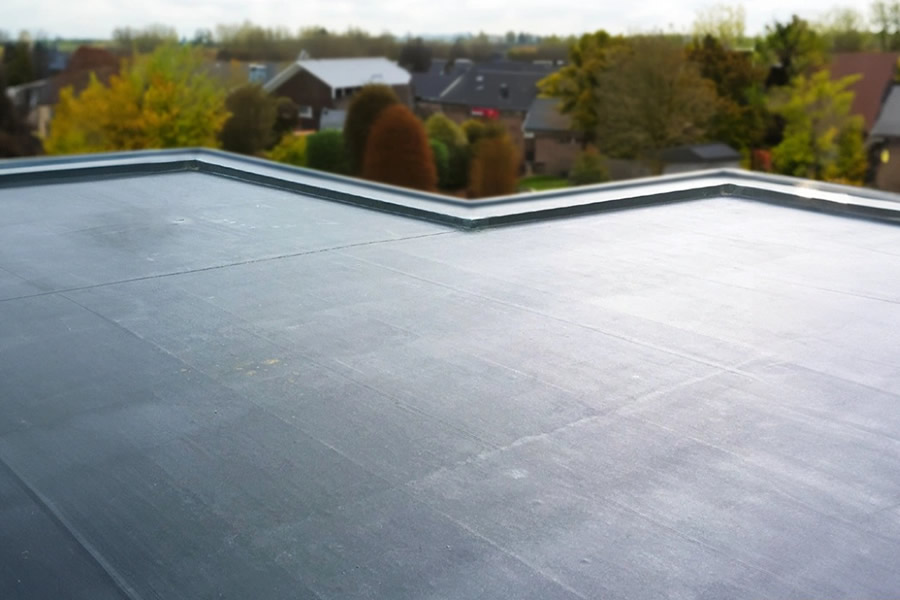
EPDM roofing systems are widely used on commercial and low-slope roofs because of their flexibility, durability, and resistance to weather exposure. However, the performance of an EPDM roof depends on more than the rubber membrane itself. Seams, joints, penetrations, and transitions must also be properly sealed to maintain a watertight roofing system.
One component used to reinforce and protect certain areas of an EPDM roof is the EPDM cover strip. These specialized rubber strips provide an additional layer of protection over existing seams and other vulnerable areas, helping reduce the risk of water infiltration and premature roofing failure.
Understanding what EPDM cover strips are, where they are installed, and why they matter can help property owners make better decisions about commercial roof maintenance and repairs.
What Are EPDM Cover Strips?
EPDM cover strips are flexible rubber membrane strips designed to cover and reinforce specific areas of an EPDM roofing system. They are commonly used over seams, joints, and other locations where additional waterproofing protection is needed. EPDM stands for ethylene propylene diene monomer, a synthetic rubber material known for its flexibility and resistance to ultraviolet radiation, ozone, and temperature fluctuations.
Unlike ordinary roofing tape or general-purpose sealants, EPDM cover strips are manufactured as roofing system components. Depending on the product and application, they may be installed using compatible EPDM primers and seam adhesives or as part of a manufacturer’s approved reinforced seam system.
Their primary purpose is to create a continuous protective layer over vulnerable areas of the roofing membrane. When properly installed, they help protect seams from moisture penetration, environmental exposure, and movement caused by normal building expansion and contraction.
Where Are EPDM Cover Strips Used?
EPDM cover strips are most commonly found on commercial buildings with flat or low-slope roofing systems. They are particularly useful in areas where membrane sections meet or where the roofing system requires additional reinforcement.
EPDM Membrane Seams
One of the most common applications is covering existing EPDM membrane seams. These seams connect individual sheets of rubber roofing to create a continuous waterproof surface. Depending on the original roofing system, seams may be formed using seam tape, adhesives, or other manufacturer-approved methods. Cover strips can provide additional reinforcement when the roofing system specifically calls for them.
They are especially relevant during certain repair and restoration procedures involving older EPDM roofing systems.
Roof Transitions and Changes in Direction
Commercial roofs often contain transitions between horizontal and vertical surfaces. These areas can include parapet walls, roof edges, and changes in roof elevation.
Because these locations experience movement and weather exposure, they require careful detailing. EPDM cover strips may be used in approved applications to reinforce membrane transitions and help maintain waterproof continuity.
Areas Around Roof Penetrations
Roof penetrations include pipes, vents, HVAC equipment supports, and other components that extend through the roofing membrane. These locations require specialized flashing details to prevent water from entering the building. Although EPDM cover strips are not a substitute for properly designed penetration flashings, compatible membrane strips may be used in certain reinforcement applications around these details.
Repairs to Existing EPDM Roofing
Cover strips may also be used as part of specific EPDM roof repair procedures. When a seam or membrane detail develops a problem, a roofing professional must first identify the cause and determine whether the affected area can be repaired. If the membrane is suitable for restoration and the manufacturer’s repair specifications allow it, a compatible EPDM cover strip may help reinforce the repaired section.
However, installing a strip over deteriorated, contaminated, or improperly prepared roofing material will not solve the underlying problem.
How Are EPDM Cover Strips Installed?
Proper installation is essential because the effectiveness of an EPDM cover strip depends on surface preparation, product compatibility, and correct application. The process generally begins with inspecting the existing roofing membrane. The contractor identifies the damaged or vulnerable area and determines whether the surrounding EPDM material is in suitable condition for repair.
The surface must then be cleaned and prepared according to the manufacturer’s instructions. Dirt, dust, moisture, oxidation, and other contaminants can interfere with adhesion and compromise the repair. Depending on the selected system, an approved EPDM primer or bonding adhesive is applied to the prepared surface. The cover strip is then positioned over the designated area and carefully pressed into place to establish proper contact.
Special attention is given to the strip’s edges and corners. These areas must be properly bonded to prevent water from working underneath the repair.
Installation requirements vary between EPDM manufacturers and product types. Contractors should always follow the applicable technical documentation rather than assuming that all EPDM cover strips use the same adhesives or installation methods.
What Problems Can EPDM Cover Strips Help Prevent?
EPDM cover strips can help reinforce vulnerable areas of a roofing system when used as part of an appropriate repair or installation procedure.
Their benefits include:
- Additional seam protection: They provide another layer of protection over compatible membrane seams.
- Improved waterproofing: Properly installed strips help maintain watertight connections in designated areas.
- Protection against environmental exposure: EPDM rubber is designed to withstand prolonged exposure to sunlight, ozone, and changing weather conditions.
- Flexible performance: The material can accommodate normal movement in roofing assemblies.
- Targeted repairs: They can be used in certain restoration applications without necessarily replacing the entire roofing membrane.
It is important to understand that cover strips do not correct every roofing problem. Extensive membrane deterioration, wet insulation, structural damage, or widespread adhesion failure may require a more comprehensive repair or roof replacement.
EPDM Cover Strips vs. EPDM Seam Tape
Although both products are used in EPDM roofing systems, cover strips and seam tape are not necessarily interchangeable. EPDM seam tape is commonly used to join membrane sheets together during installation. It creates the bonded connection between adjoining sections of roofing material when used with the appropriate preparation and installation procedures. EPDM cover strips, on the other hand, are generally used to cover or reinforce designated areas of an existing membrane or seam. Their application depends on the roofing system’s design and manufacturer specifications.
Choosing between these products requires an understanding of the existing roofing assembly. Using the wrong material or combining incompatible products can compromise adhesion and reduce the effectiveness of the repair.
How Long Do EPDM Cover Strips Last?
The service life of an EPDM cover strip depends on several factors, including product quality, installation methods, environmental exposure, and the condition of the underlying roofing membrane. Because EPDM is designed for long-term outdoor exposure, properly installed products can provide durable protection. However, no cover strip should be considered maintenance-free.
Over time, environmental exposure, building movement, improper drainage, and incompatible repair materials can affect the condition of the strip and its bond to the membrane. Routine commercial roof inspections help identify lifting edges, loose sections, deteriorated seams, and other signs that may indicate the need for maintenance.
When Should an EPDM Roof Be Repaired or Replaced?
Not every EPDM roofing problem requires a complete roof replacement. In some situations, localized repairs using compatible materials can restore the waterproofing performance of the affected area. However, recurring leaks, widespread seam separation, extensive membrane deterioration, and moisture trapped beneath the roofing system may indicate more serious problems.
A professional roof inspection can help determine whether EPDM cover strips and other targeted repair methods are appropriate or whether a larger restoration project is necessary. For commercial property owners, addressing these issues early can help prevent water damage to insulation, roof decking, interior finishes, and building contents.
Protecting Your Commercial Roofing Investment
EPDM cover strips are an important component of certain commercial roofing repair and reinforcement applications. When properly selected and installed, they help protect vulnerable membrane details and maintain the waterproofing integrity of compatible EPDM roofing systems.
At Premier Restoration & Construction, understanding the condition of the existing roof is an important first step in recommending the right solution. Whether a commercial property needs localized EPDM repairs, membrane restoration, or a complete roofing replacement, the appropriate approach depends on the roofing system, its age, and the extent of the damage.If your commercial roof has recurring leaks or visible seam problems, contact Premier Restoration & Construction to discuss your roofing concerns and determine the most appropriate repair strategy.
Frequently Asked Questions
Are EPDM cover strips waterproof?
EPDM cover strips are designed for use in waterproof roofing assemblies. When installed with compatible products and according to manufacturer specifications, they help protect seams and other designated areas against water infiltration.
Can EPDM cover strips repair a leaking roof?
They can help repair certain localized seam or membrane problems. However, the underlying cause of the leak must first be identified. Cover strips are not a solution for every type of EPDM roof damage.
Can EPDM cover strips be installed over old roofing membranes?
In some cases, yes. The existing membrane must be compatible with the repair system and in suitable condition. Proper cleaning, preparation, and adhesion testing may be necessary.
Are EPDM cover strips the same as seam tape?
No. Seam tape is commonly used to join adjoining EPDM membrane sheets, while cover strips are generally used to cover or reinforce designated areas of an existing roofing system.
Do EPDM cover strips require maintenance?
They should be included in routine roof inspections. Contractors should check for loose edges, adhesion problems, deterioration, and other conditions that could compromise the roofing system.
Can EPDM cover strips be used on metal roofs?
No. Standard EPDM cover strips are designed for compatible EPDM roofing applications. Metal roofing requires repair and flashing products specifically approved for the metal roofing assembly.