

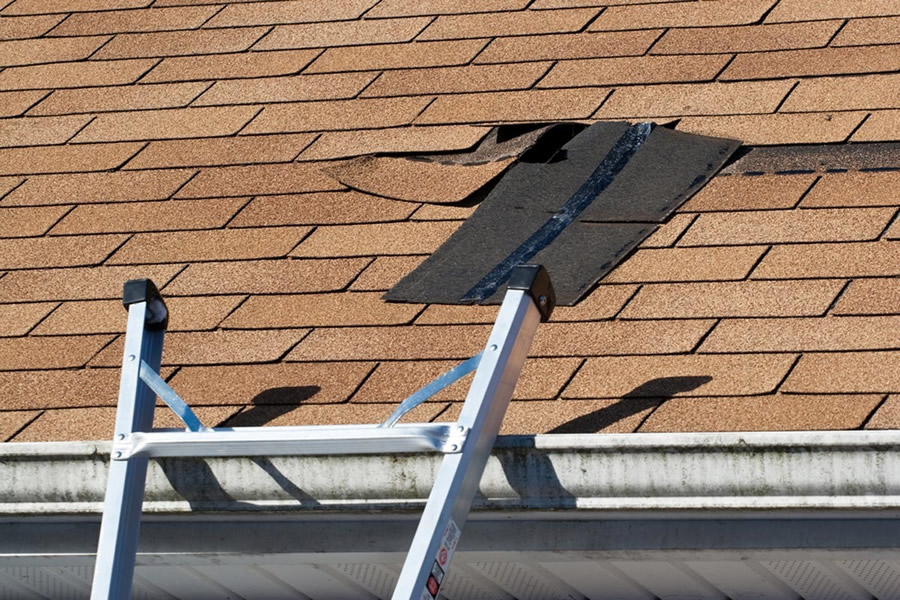
When you schedule a roof replacement, most of your attention naturally goes toward choosing the new roofing material, comparing estimates, and deciding when the work should begin. But have you ever wondered what actually happens to your old roof once the project gets underway?
Replacing a roof involves much more than installing new shingles over the existing surface. In many residential projects, the old roofing materials must first be removed, the underlying structure inspected, and any damaged components repaired before the new roofing system can be installed. The removed materials also need to be collected, transported, and disposed of properly.
For homeowners in Denver and throughout Colorado, understanding this process can help set realistic expectations about the work taking place around your property. It also explains why a professional roof replacement requires careful preparation, proper equipment, and attention to details that may not be visible once the new roof is finished.
Why Is the Old Roof Usually Removed Before Installing a New One?
In a complete roof replacement, contractors commonly begin by removing the existing shingles and other roofing materials. This process is known as a roof tear-off.
Although some building codes and roofing systems allow an additional layer of shingles to be installed over an existing asphalt shingle roof under specific conditions, removing the old materials is often the better approach when a full replacement is necessary. A tear-off allows the contractor to examine the roof decking directly instead of covering potential problems with another layer of roofing material. It also provides an opportunity to identify moisture damage, deteriorated wood, damaged flashing, and other conditions that could affect the performance of the new roof.
Installing new shingles over an existing roof without properly evaluating the underlying surface can conceal problems that may eventually lead to leaks or premature deterioration. For this reason, a complete tear-off is often recommended when the existing roofing system has reached the end of its useful life, has multiple layers, or shows signs of widespread damage.
What Happens During the Roof Tear-Off Process?
Once the property has been prepared and the necessary materials and equipment are in place, the roofing crew begins removing the existing roofing system. The crew typically starts by protecting landscaping, windows, driveways, and other areas around the home. Tarps, protective coverings, and designated debris collection areas help minimize the impact of construction activity.
The old shingles are then removed using specialized roofing tools. Depending on the existing roof, this may also involve removing old underlayment, damaged flashing, ridge components, and other materials that need to be replaced. As the roofing materials come off, debris is collected and directed into a dumpster or another designated disposal container. The crew works systematically across the roof, exposing the underlying decking so that its condition can be evaluated.
The amount of time required depends on the size of the roof, the number of existing roofing layers, the roof’s slope, and how accessible the property is. A relatively straightforward residential roof may be stripped in a few hours, while larger or more complicated projects can take longer.
What Happens to the Roof Decking After the Old Shingles Are Removed?
One of the most important stages of a roof replacement takes place after the old materials have been removed. The roof decking is the structural surface that supports the roofing system. It is commonly made from plywood or oriented strand board (OSB), and it provides the foundation for the underlayment and new roofing materials.
Once the decking is exposed, the contractor can look for signs of deterioration that were hidden beneath the old roof. These may include water stains, soft or weakened wood, delamination, mold-related damage, or areas where previous leaks have affected the structure. Not every roof replacement requires decking repairs. If the wood is sound, properly secured, and in suitable condition, the installation can generally proceed after the necessary preparation.
However, sections that are damaged or no longer provide adequate support may need to be replaced. Installing new shingles over deteriorated decking would compromise the quality and reliability of the finished roofing system. This is also an important reason why homeowners should understand their roofing estimate before work begins. Depending on the contractor’s inspection findings, additional decking repairs may be necessary, and the cost of those repairs should be explained before the work is performed.
Where Do Old Roofing Materials Go After Removal?
After the old roofing materials have been removed, they must be transported away from the property and handled according to applicable disposal requirements. Asphalt shingles make up a significant portion of residential roofing waste. In many cases, they are collected in construction dumpsters and transported to an appropriate disposal or recycling facility.
Some asphalt shingles can be recycled and processed into materials used in road construction, asphalt pavement, or other applications, depending on the local recycling infrastructure and the condition of the material. However, recycling is not always available. Roofing materials may contain debris, nails, wood, insulation, or other contaminants that make processing more difficult. Availability also depends on the facilities and programs operating in the area.
Other roofing materials require different handling procedures. Metal roofing, for example, may be suitable for scrap metal recycling when collected and separated properly. Wood decking, underlayment, and other construction debris may follow different disposal routes. The important point is that removing the old roof is only part of the job. Proper debris management and responsible disposal should also be part of a professionally organized replacement project.
Can Old Asphalt Shingles Be Recycled?
Yes. Asphalt shingles can often be recycled, although the availability of recycling programs varies by location and facility.
Recycled shingles are commonly processed to recover asphalt and mineral components that may be incorporated into certain construction materials, including asphalt pavement. This can help reduce the amount of roofing waste sent to landfills and give suitable materials another use.
However, not every removed shingle is recyclable. Materials that are excessively contaminated, mixed with other debris, or unsuitable for processing may need to be disposed of through conventional waste management channels. If environmental considerations are important to you, ask your roofing contractor whether local recycling options are available and how removed roofing materials are handled.
It is better to ask about the actual disposal process than to assume every roofing company recycles all the materials it removes.
What About Roofing Nails, Flashing, and Other Old Components?
A roof replacement generates more than just old shingles. The removal process also produces nails, metal flashing, drip edge, underlayment, ridge materials, and other components that may no longer be suitable for reuse. Nails and small metal pieces are particularly important because they can become scattered around the property during tear-off.
Professional roofing crews typically use magnetic sweepers to collect loose nails from driveways, walkways, and areas surrounding the house. This helps reduce the risk of flat tires and injuries after the project is completed. Old flashing and metal components may be collected separately when they are suitable for recycling. Other materials are included with the general roofing debris and transported for appropriate disposal.
A thorough final cleanup should be part of every roof replacement, not an optional step after the installation is finished.
How Does a Roof Replacement Affect Your Property?
It is normal for homeowners to have concerns about their landscaping, driveway, outdoor furniture, and the general condition of their property during a roof replacement.
Removing old roofing materials involves noise, movement, and falling debris, particularly during the tear-off stage. This is why preparing the property before installation begins is important. Vehicles should be moved away from the immediate work area, outdoor furniture and decorations should be relocated when practical, and access to the construction zone should be limited.
Roofing contractors should also take reasonable precautions to protect landscaping and other vulnerable areas around the house. Although some disruption is unavoidable, proper preparation and cleanup can help minimize the impact.
If you have pets or children, it is especially important to keep them away from the work area while roofing activities are taking place.
Does Removing the Old Roof Increase the Cost of Replacement?
Removing existing roofing materials is a normal part of many complete roof replacement projects, and the cost is generally included in the original estimate. However, the total cost can vary depending on the number of roofing layers, the size and complexity of the roof, the labor involved, and the amount of debris that needs to be transported and disposed of.
Additional expenses may arise if the tear-off reveals damaged roof decking, deteriorated fascia, or other conditions that were not visible during the initial inspection. This is why homeowners should look carefully at what is included in a roofing proposal. A detailed estimate should explain whether removal and disposal of existing materials, underlayment, flashing, cleanup, and potential decking repairs are included or handled separately.
A lower initial estimate is not necessarily the better value if important parts of the replacement process have been excluded.
Why a Professional Roof Tear-Off Matters
The quality of a new roofing system depends on more than the materials selected. Proper removal of the existing roof is an important part of ensuring that the new installation has a sound foundation. A professional roofing crew understands how to remove old materials without unnecessarily damaging the underlying structure, identify areas that require attention, prepare the roof decking, and install the new components according to the roofing system’s requirements.
This attention to detail is particularly important for homes in Denver and surrounding Colorado communities, where roofing systems must withstand strong winds, hail, snow, intense sunlight, and significant seasonal temperature changes. Taking the time to evaluate the exposed roof structure and correct existing problems can help prevent issues that might otherwise remain hidden beneath the new shingles.
Get Professional Roof Replacement Services in Denver, CO
A roof replacement should leave your home with more than a new exterior appearance. It should provide a properly prepared roofing system designed to protect your property for years to come.
At Premier Restoration & Construction, we bring more than 40 years of experience to residential and commercial roofing projects in Denver, Colorado, and surrounding communities. We understand that a successful roof replacement begins with careful preparation, proper removal of existing materials, and a thorough evaluation of the underlying roof structure.
Our residential roofing services include complete roof replacement, roof repair, inspections, and ongoing maintenance. Whether your existing shingles have reached the end of their useful life, your roof has suffered storm damage, or you are planning an upgrade to a different roofing material, our team can help you understand the process and determine the appropriate solution for your home. We believe homeowners deserve clear information about the work being performed, the condition of their existing roof, and the materials being installed.
If you are considering a residential roof replacement in Denver, CO, contact Premier Restoration & Construction to schedule a professional roof evaluation and discuss your project with an experienced roofing team.