

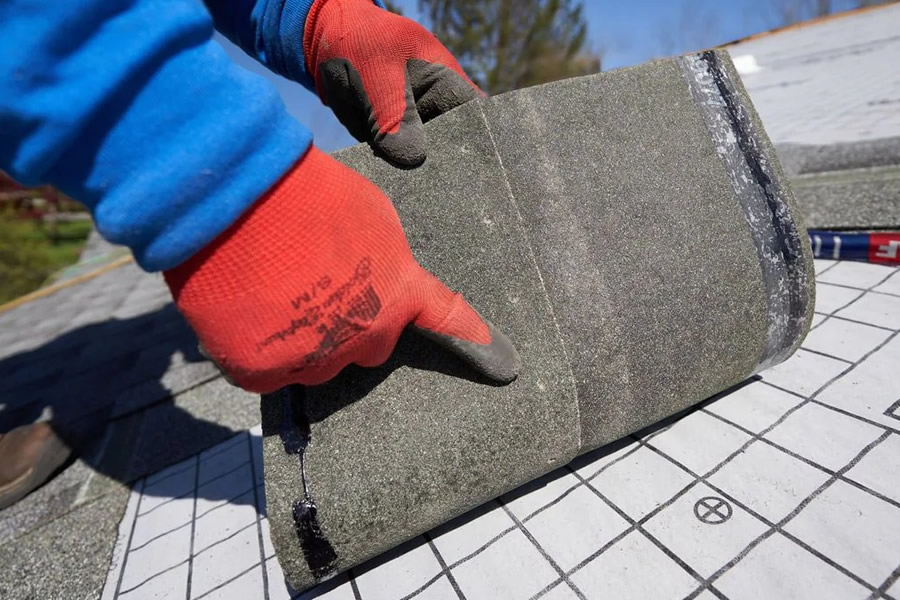
If you have noticed small, sand-like particles collecting in your gutters, around your downspouts, or on the ground near your home, you may be wondering where they are coming from. In many cases, these particles are granules from your asphalt shingles, and their presence can tell you something about the condition of your roof.
Asphalt shingles are manufactured with a protective layer of mineral granules covering their surface. These granules are not simply decorative. They help protect the underlying asphalt from ultraviolet radiation, contribute to the shingles’ fire resistance, and provide the textured surface that gives each roofing product its appearance.
Some granule loss is normal, particularly when shingles are new or have been exposed to years of weather. However, excessive granule loss can indicate that the roofing materials are aging, have been damaged by hail, or are experiencing premature deterioration. For homeowners in Denver and throughout Colorado, understanding why asphalt shingles lose granules is especially important. Strong sunlight, hailstorms, temperature fluctuations, and seasonal weather exposure can all affect the condition of a residential roofing system.
The important thing is knowing the difference between normal wear and a warning sign that your roof may need professional attention.
What Are Asphalt Shingle Granules and Why Are They Important?
The granules covering asphalt shingles are small mineral particles embedded into the outer surface during manufacturing. They provide several layers of protection that help the roofing material withstand everyday environmental exposure. One of their most important functions is protecting the asphalt beneath them from ultraviolet radiation. Prolonged exposure to sunlight can accelerate the aging of asphalt, making the protective granule layer essential to the performance of the shingle.
Granules also contribute to the shingle’s overall durability, appearance, and resistance to external conditions. Depending on the product, they may contain mineral treatments designed to provide additional properties, such as algae resistance.
When granules begin falling away, the asphalt underneath becomes more exposed to the elements. A small amount of granule loss does not necessarily mean the roof is failing, but widespread or accelerated loss can shorten the effective service life of the shingles.
1. Normal Aging and Everyday Weather Exposure
One of the most common reasons asphalt shingles lose granules is simply the natural aging process.
As shingles remain exposed to sunlight, rain, wind, and changing temperatures, their surfaces gradually experience wear. Over the years, some granules may loosen and wash into the gutters or fall around the perimeter of the house. This process is particularly common on older roofs that have experienced years of environmental exposure.
In Denver, intense sunlight and significant temperature variations can place additional stress on roofing materials. During summer, roof surfaces can become extremely hot, while colder weather and winter conditions introduce different forms of thermal stress.
However, age alone does not determine whether a roof needs replacement. The quality of the original shingles, installation, ventilation, maintenance, and exposure to severe weather all influence how long the roofing system performs.
If granule loss is limited and the shingles remain in good condition, the roof may continue providing reliable protection. When loss becomes widespread or is accompanied by cracking, curling, exposed asphalt, or recurring leaks, a more detailed inspection is warranted.
2. Hailstorms Can Knock Granules Off Asphalt Shingles
Hail is an important consideration for homeowners in Colorado because it can cause significant damage to asphalt roofing systems.
When hailstones strike shingles, the impact can dislodge granules and damage the underlying asphalt surface. Depending on the size and intensity of the hailstorm, this may create isolated impact marks or more widespread damage across the roof. One of the challenges with hail damage is that it is not always easy to identify from the ground. You may notice granules accumulating in your gutters after a storm without realizing that sections of the roof have sustained impact damage.
Other warning signs may include dark or bruised-looking areas on shingles, exposed asphalt, damaged flashing, and dents in metal roof components.
It is important to understand that not every granule found in a gutter is evidence of hail damage. Normal aging and other forms of wear can produce similar symptoms.
If your property has experienced a significant hailstorm and you notice an unusual increase in granule loss, having the roof inspected can help determine whether the shingles have sustained damage that requires repair or replacement.
3. Poor Installation Can Cause Premature Granule Loss
Asphalt shingles are designed to retain their granules under normal conditions, but improper installation can contribute to premature deterioration.
For example, excessive foot traffic during installation or maintenance can disturb the granule surface, particularly when shingles are hot or otherwise vulnerable to damage. Incorrect fastening techniques can also create problems. Nails installed in the wrong locations or driven too deeply may compromise the integrity of the shingle and contribute to premature roof failure.
In addition, using improper installation methods or failing to follow the manufacturer’s specifications can affect how well the roofing materials perform over time.
This is why the quality of installation matters just as much as the roofing material selected. A properly installed asphalt shingle roof should provide consistent protection when supported by the correct underlayment, ventilation, flashing, and other roofing components.
If a relatively new roof is losing an unusual amount of granules, it is worth investigating whether the problem involves installation quality, material defects, storm damage, or another underlying issue.
4. Excessive Granule Loss Can Be a Sign of Manufacturing or Material Problems
Although most asphalt shingles are manufactured to withstand years of environmental exposure, roofing materials can occasionally experience premature deterioration. Manufacturing defects, material inconsistencies, or problems affecting the adhesion between granules and the asphalt surface may contribute to abnormal granule loss.
If shingles are losing granules across large areas despite being relatively new, the problem deserves further investigation.
Homeowners should also review the manufacturer’s warranty documentation and keep records of the roof installation, product information, and any inspections or repairs.
It is important not to assume that all premature granule loss is automatically covered by a warranty. Coverage depends on the specific product, warranty terms, installation conditions, and the cause of the damage.
A qualified roofing contractor can help document the condition of the shingles and identify whether further evaluation by the manufacturer may be appropriate.
5. Roof Foot Traffic and Maintenance Can Loosen Granules
Walking on an asphalt shingle roof can also contribute to granule loss, especially when the materials are older, brittle, hot, or already damaged. Repeated foot traffic places pressure on the shingle surface and can dislodge granules or damage the protective asphalt layer.
This is one reason homeowners should avoid climbing onto their roofs to investigate suspected damage. Aside from the risk of falling, unnecessary walking can create additional wear or make an existing problem worse. Maintenance activities should be performed carefully, using appropriate procedures and equipment. Gutters, roof penetrations, flashing, and other components can often be inspected from safer access points without walking across the entire roofing surface.
If you suspect that your shingles are deteriorating, a professional inspection is a better approach than attempting to examine every section yourself.
How Can You Tell If Granule Loss Is Normal or a Sign of Roof Damage?
Finding a small amount of granules in your gutters does not automatically mean your roof needs to be replaced. Newly installed asphalt shingles can release some excess granules, and older roofs naturally lose material as they age. What matters is the amount of granule loss, how quickly it is occurring, and whether other signs of deterioration are present. For example, a small accumulation of granules after a heavy rainstorm may not be concerning, particularly if the roof is relatively new and the shingles appear intact.
However, large accumulations that continue appearing over time may indicate that the roofing materials are deteriorating. The concern becomes greater when you also notice bald spots, exposed asphalt, cracked or curling shingles, or water stains inside your home.
The location of the granules can also provide useful information. If one downspout consistently releases more granules than the others, that may indicate a localized problem in the corresponding roof section.
A professional inspection can help determine whether the material loss is consistent with normal wear or whether the roof has experienced damage that needs attention.
Does Granule Loss Mean You Need a New Roof?
Not necessarily. The amount of granule loss alone is not enough to determine whether a roof needs replacement. If the damage is limited to a small area and the surrounding shingles remain in good condition, a localized roof repair may be sufficient.
However, when granule loss is widespread and accompanied by exposed asphalt, brittle shingles, cracking, curling, or recurring leaks, the roofing system may be approaching the end of its useful life. The age of the roof is another important consideration. An asphalt shingle roof that has experienced years of weather exposure may be more likely to require replacement when multiple signs of deterioration appear together.
For Denver homeowners, it is also important to consider previous hail exposure. A roof that appears to be aging prematurely may have experienced storm damage that was never properly evaluated.
The best decision comes from examining the overall condition of the roofing system rather than focusing on one symptom. An experienced roofing contractor can help determine whether repairs will provide a reliable solution or whether a complete replacement is the more practical investment.
How Can You Protect Your Asphalt Shingle Roof From Premature Granule Loss?
Although some granule loss is unavoidable over the life of an asphalt shingle roof, proper installation and routine maintenance can help protect the roofing system. Keeping gutters clear allows rainwater to drain properly instead of accumulating along the roof edge. Inspecting flashing, roof penetrations, and other vulnerable areas can also help identify potential problems before they lead to water intrusion.
Proper attic ventilation and insulation are important as well. Excessive heat and moisture can contribute to roofing and structural problems, although ventilation alone does not prevent all forms of shingle deterioration. After significant hailstorms or severe weather, homeowners should pay attention to visible changes in the roof and consider a professional inspection if damage is suspected.
It is also worth keeping documentation of the roof’s installation date, roofing materials, previous repairs, and storm-related inspections. This information can make it easier to evaluate changes in the roof’s condition over time.
The goal of maintenance is not to prevent every sign of aging, but to identify problems early enough to address them before they develop into more extensive damage.
Get Professional Asphalt Shingle Roof Repair and Replacement in Denver
Granule loss can be a normal part of asphalt shingle aging, but when it becomes excessive, it may be an indication that your roof is no longer providing the level of protection your home needs.
At Premier Restoration & Construction, we bring more than 40 years of experience to residential and commercial roofing projects in Denver, Colorado, and surrounding communities. We understand the effects that Colorado’s intense sunlight, hailstorms, strong winds, and seasonal temperature changes can have on asphalt shingle roofing systems.
Our residential roofing services include professional roof inspections, asphalt shingle roof repair, roof replacement, and ongoing maintenance. Whether you have noticed granules accumulating in your gutters, suspect hail damage, or are concerned about the age and condition of your roof, our team can help evaluate the situation and explain the available solutions. We believe homeowners should understand what is happening with their roofs before making an investment in repairs or replacement. That means identifying the actual cause of the problem and recommending work based on the condition of the roofing system.
If you are noticing excessive granule loss or other signs of asphalt shingle deterioration, contact Premier Restoration & Construction to schedule a professional roof inspection in Denver, CO. Our experience and knowledge of Colorado roofing conditions can help you make an informed decision about protecting your home.