

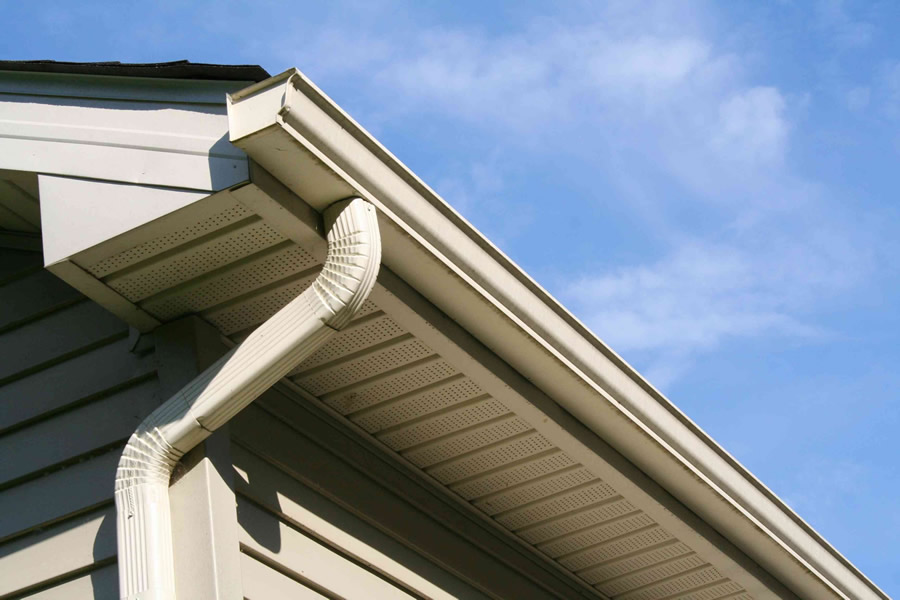
If you have noticed that your gutters are starting to pull away from your roof, sagging in certain areas, or leaving visible gaps between the gutter system and the fascia, it is a problem worth addressing before it gets worse. Although a loose gutter might seem like a minor exterior maintenance issue, it can affect how water drains away from your home and potentially contribute to damage involving the roof, fascia boards, siding, and foundation.
Gutters play an important role in protecting your home by collecting rainwater and directing it away from the roofline and foundation. When they become loose or begin separating from the house, water may overflow, collect near the roof edges, or run down exterior walls instead of draining properly.
For homeowners in Denver and throughout Colorado, this problem deserves particular attention. Heavy rain, strong winds, hail, snow accumulation, and seasonal temperature changes can place additional stress on gutter systems and the components supporting them.
Understanding why your gutters are pulling away from the roof can help you identify the source of the problem, determine whether repairs are necessary, and prevent more expensive damage to your home.
What Causes Gutters to Pull Away From the Roof?
There is rarely just one reason gutters begin separating from a house. In many cases, the problem develops gradually as fasteners loosen, supporting materials deteriorate, or the gutter system experiences repeated stress from water, debris, and weather conditions.
One of the most common causes is the failure of gutter hangers or fasteners. These components secure the gutter to the fascia board or roofline. Over time, screws can loosen, nails can work their way out, and brackets may lose their ability to support the weight of the gutter. Water accumulation is another frequent contributor. When gutters become clogged with leaves, dirt, roofing granules, and other debris, water cannot drain efficiently. The additional weight places pressure on the fasteners and supporting boards, eventually causing sections of the gutter to sag or pull away.
Snow and ice can create similar problems during Colorado winters. When snow accumulates along roof edges or ice forms inside gutters, the added weight can stress the entire system. Repeated freeze-thaw cycles can also contribute to deterioration around fasteners and gutter connections.
In some homes, the problem is not actually the gutter itself but the condition of the fascia board supporting it. If the wood behind the gutter has become soft, cracked, or rotted because of prolonged moisture exposure, the fasteners may no longer have a solid surface to hold onto.
1. Loose or Damaged Gutter Hangers
Gutter hangers are designed to hold the gutter securely in position while supporting the weight of water and ordinary environmental exposure. Depending on the system, they may be installed beneath the gutter or attached along its exterior. When hangers become loose, damaged, or improperly spaced, the gutter may begin to sag or separate from the roofline. You might notice that one section sits lower than the rest, that the gutter moves during strong winds, or that visible gaps have developed between the gutter and fascia.
Simply tightening a few screws may correct the problem if the surrounding materials are still in good condition. However, if the fasteners have pulled out because the wood behind them is damaged, installing new screws in the same location will not provide a dependable repair.
The supporting material must be evaluated before the gutter is reattached.
2. Clogged Gutters Can Become Too Heavy
A properly functioning gutter system should allow rainwater to flow freely toward the downspouts. When debris accumulates inside the channels, water begins to collect instead of draining away. Leaves, pine needles, dirt, roofing granules, and other debris can gradually create blockages that increase the weight placed on the gutter system. During heavy rain, the combination of standing water and accumulated debris can put considerable pressure on the hangers and fascia.
This is especially problematic when gutters have not been cleaned regularly or when downspouts are partially blocked.
In addition to causing gutters to pull away, clogged systems can overflow and allow water to run behind the gutter, down exterior walls, or collect near the home’s foundation.
Regular gutter cleaning and checking the drainage system are simple maintenance measures that can help prevent these problems from developing.
3. Rotten or Damaged Fascia Boards
Sometimes homeowners assume that the gutter is failing when the actual problem is the wood behind it. Fascia boards are installed along the lower edge of the roof and provide a surface for attaching many gutter systems. They also help protect the roof edge and contribute to the finished appearance of the roofline.
When water repeatedly enters behind the gutter or roof edge, the fascia can absorb moisture and gradually deteriorate. Paint may begin peeling, the wood may become soft, and sections may eventually rot. Once the fascia loses its structural integrity, gutter fasteners cannot remain securely attached. Even a relatively new gutter system may begin pulling away if the supporting wood is compromised.
In these situations, replacing or repairing the affected fascia is usually necessary before reinstalling the gutters.
It is also important to identify where the moisture is coming from. Improperly installed drip edge, damaged shingles, leaking flashing, and gutter alignment problems can all contribute to water reaching areas that should remain protected.
4. Snow, Ice, and Heavy Weather in Colorado
Colorado weather can be particularly demanding on exterior roofing components. Gutters are exposed to strong winds, intense summer storms, hail, snow accumulation, and repeated temperature changes throughout the year.
During winter, snow and ice can place additional weight on gutter systems. Ice may accumulate inside the channels or form along the roof edge, creating pressure on the hangers and supporting materials. Strong winds can also loosen fasteners over time, particularly when gutters were not installed correctly or have already begun separating from the fascia. After a significant storm, homeowners may notice that sections of their gutters have shifted, sagged, or become detached. Even if the damage appears limited, it is worth checking the surrounding roof edge and fascia for signs of moisture intrusion or physical damage.
The combination of proper installation and routine maintenance is particularly important in areas where roofing systems must withstand changing seasonal conditions.
5. Improper Gutter Installation or Poor Drainage
Not all gutter problems develop because of age or weather. Sometimes the original installation is responsible. Gutters must be installed with the correct slope so that water flows toward the downspouts instead of remaining trapped inside the channels. If the slope is incorrect, water can accumulate in low sections and place unnecessary weight on the supporting hardware.
Improperly spaced hangers, insufficient fastening, unsuitable mounting hardware, and poorly positioned downspouts can also contribute to premature gutter failure. In addition, the gutter system must work properly with the roof edge. If water flows behind the gutter because the drip edge or other roof components were not installed correctly, moisture can reach the fascia and gradually weaken the materials supporting the system.
A professional evaluation should look beyond the detached gutter section and consider the entire roof drainage arrangement.
Can Gutters Pulling Away From the Roof Cause Roof Damage?
Yes. Although gutters are primarily designed to manage rainwater, their condition is closely connected to the protection of your roofing system.
When gutters separate from the fascia, water may run behind them and reach the wood components along the roof edge. Over time, repeated moisture exposure can damage fascia boards, soffits, and sections of the roof decking. Water that is not properly directed away from the house can also contribute to staining, siding deterioration, and moisture problems near the foundation.
In some cases, the gutter problem is actually a symptom of a larger roofing issue. Damaged shingles, deteriorated drip edge, or leaking roof components may be allowing water to reach the fascia and weaken the gutter attachment points.
That is why it is important to inspect the roof edge rather than simply reattach the gutter and assume the problem has been solved.
Should You Repair or Replace Gutters That Are Pulling Away?
The right solution depends on the condition of the gutter system and the materials supporting it. If the gutters are relatively new and the problem is limited to a few loose hangers, replacing the damaged fasteners and securing the affected sections may be sufficient. However, if the gutters are bent, cracked, severely corroded, or repeatedly separating from the house, replacement may be a better long-term option.
The condition of the fascia also matters. If the wood has deteriorated, it should be repaired or replaced before new gutter hardware is installed. Otherwise, the same problem may return even after the gutters have been secured.
If water damage extends to the roof edge, shingles, flashing, or decking, additional roofing repairs may be necessary to restore the home’s protection.
A professional inspection can help determine whether the issue is limited to the gutter system or whether the roof itself needs attention.
How Can You Prevent Gutters From Pulling Away?
Preventing gutter separation begins with regular inspection and maintenance. Gutters should be kept clear of debris so that water can drain freely, and downspouts should be checked to ensure they are not blocked. It is also important to inspect the gutter hangers, fasteners, and fascia boards periodically. Look for visible gaps, sagging sections, peeling paint, soft wood, and signs that water is overflowing or running behind the gutters.
After severe storms or periods of heavy snowfall, checking the roofline can help identify problems before they become more extensive. Homeowners should also make sure that their roof drainage system is properly installed and that the drip edge, flashing, and other roof components direct water into the gutters as intended.
Routine maintenance does not eliminate every possible problem, but it can help extend the service life of the gutter system and reduce the risk of water-related damage.
Protect Your Roof and Home With Premier Restoration & Construction
Gutters and roofing components work together to protect your home from water intrusion. When gutters begin pulling away from the roof, the problem should not be treated as an isolated cosmetic issue. It may indicate loose fasteners, deteriorating fascia, drainage problems, or damage along the roof edge that needs professional attention.
At Premier Restoration & Construction, we bring more than 40 years of experience to residential and commercial roofing projects in Denver, Colorado, and surrounding communities. We understand how Colorado’s weather conditions affect roofing systems and why identifying the source of a problem is just as important as completing the repair itself.
Our residential roofing services include roof inspections, roof repairs, roof replacement, and ongoing maintenance to help homeowners protect their properties. Whether you are dealing with recurring water intrusion, damaged roof edges, deteriorating roofing materials, or storm-related damage, our team can help evaluate your roofing needs and recommend an appropriate solution.
If your gutters are pulling away from your roof, do not wait until water causes more extensive damage. Contact Premier Restoration & Construction to schedule a professional roof evaluation in Denver, CO, and get experienced guidance on protecting your home’s roofing system.