

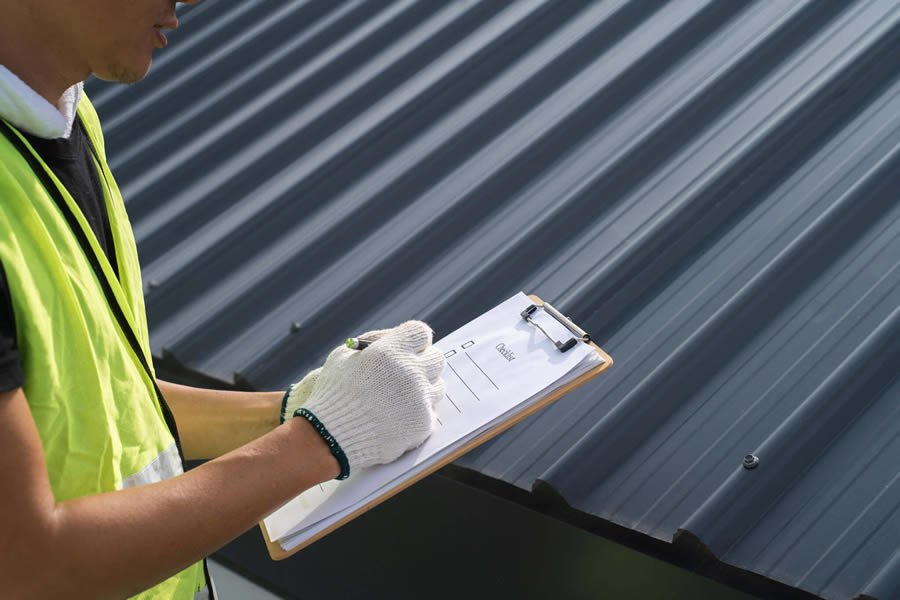
A roof leak is frustrating enough the first time it happens. However, when you’ve already paid to have it repaired and water starts showing up again, the problem becomes even more concerning. You may notice another water stain on the ceiling, damp insulation in the attic, or dripping water during the next rainstorm. Naturally, you start wondering why the repair didn’t solve the problem in the first place.
The truth is that a roof leak that keeps returning usually indicates that the underlying issue was never fully identified or corrected. In some cases, the original repair addressed only the visible damage, while the actual entry point for water remained somewhere else. Other times, aging roofing materials, deteriorated flashing, or hidden structural problems allow moisture to continue entering your home.
Understanding why your roof keeps leaking after repairs can help you avoid repeated service calls, unnecessary expenses, and further damage to your property.
1. The Original Source of the Leak Was Misdiagnosed
One of the most common reasons a roof continues leaking after a repair is that the contractor fixed the wrong area. Water does not always travel straight down from the point where it enters the roof. It can move along roof decking, rafters, insulation, and other structural components before eventually appearing inside your home.
For example, you might notice a water stain on a bedroom ceiling, but the actual entry point could be several feet away near a roof valley, chimney, or plumbing vent. Repairing the shingles directly above the stain may improve the appearance of the roof without addressing the source of the moisture.
This is why identifying the origin of a roof leak requires more than simply looking at the damaged area. A thorough roof inspection should evaluate surrounding shingles, flashing, valleys, penetrations, and other potential entry points.
2. Damaged or Improperly Installed Roof Flashing
Flashing is one of the most important components of a roofing system, yet it is also one of the most frequently overlooked sources of recurring leaks. These metal pieces are installed around chimneys, skylights, vents, walls, and other areas where different roof surfaces meet.
Their purpose is to direct water away from vulnerable joints and prevent moisture from entering the underlying structure. When flashing becomes loose, corroded, cracked, or improperly installed, water can find its way beneath the roofing materials.
Applying roofing cement or sealant over damaged flashing may provide temporary relief, but it is not always a permanent solution. If the flashing itself is deteriorated or incorrectly installed, it may need to be repaired or replaced to restore proper protection.
3. Your Roof Has Multiple Areas of Damage
Sometimes a roof leak is not caused by a single problem. An aging roofing system may have several damaged areas, including cracked shingles, deteriorated underlayment, exposed nail heads, damaged valleys, and compromised flashing.
A previous contractor may have repaired the most obvious issue without recognizing that other vulnerable areas were also allowing water inside. This is particularly common with older roofs that have experienced years of exposure to Colorado’s changing weather conditions.
Denver homeowners deal with a combination of intense sunlight, strong winds, hailstorms, heavy snow, and repeated temperature changes. Over time, these conditions can weaken roofing materials and create multiple points where moisture can enter.
When leaks continue appearing in different locations, it may be necessary to evaluate the overall condition of the roofing system rather than continue making isolated repairs.
4. The Roof Underlayment Is Deteriorating
Shingles are the first visible layer of protection on most asphalt roofing systems, but they are not the only defense against water intrusion. Beneath them is the roof underlayment, a protective layer installed over the roof decking.
Underlayment provides an additional barrier against moisture that gets beneath the shingles. When it becomes brittle, torn, or deteriorated, water can reach the roof decking and eventually enter the home.
This type of damage can be difficult to identify during a basic visual inspection because much of the underlayment is hidden beneath the roofing materials. If the roof is older or has experienced repeated water intrusion, a more detailed inspection may be necessary to determine whether the underlayment is still providing adequate protection.
In some situations, replacing a few shingles will not solve the problem because the damage extends beneath the visible roofing surface.
5. Improper Roof Repairs Can Make the Problem Worse
Not every roofing repair delivers a lasting solution. Some repairs are performed quickly without addressing the full extent of the damage, while others rely too heavily on roofing cement, caulk, or temporary patches.
Although sealants have appropriate uses in roofing applications, they should not replace properly installed roofing components. Covering a damaged area without correcting the underlying issue can allow water to continue entering the structure.
Poor installation techniques can also create new problems. Improperly placed nails, incorrectly installed shingles, damaged flashing, and poorly sealed roof penetrations can all contribute to recurring leaks.
A professional roof repair should address the cause of the problem, restore the integrity of the affected area, and account for how water moves across the entire roofing system.
6. Ice Dams and Winter Weather May Be Causing New Leaks
In Colorado, recurring roof leaks can also be related to winter weather. Ice dams form when snow melts on warmer sections of a roof and refreezes near colder roof edges. As ice accumulates, it can prevent melting snow from draining properly.
Water may then back up beneath shingles and enter the roof structure. This can lead to ceiling stains, wet insulation, damaged drywall, and moisture problems in the attic.
Even if a previous roof repair was successful, a new ice dam can create a separate leak in another vulnerable area.
Proper attic ventilation, insulation, drainage, and roof-edge protection all play a role in reducing the risk of ice-related damage. If your roof leaks repeatedly during winter or after snowstorms, it is worth having these components evaluated.
7. Clogged Gutters and Poor Roof Drainage
Not every recurring roof leak originates from damaged shingles. Sometimes the problem is related to how water drains away from your roof.
When gutters become clogged with leaves, debris, or ice, water cannot flow freely toward the downspouts. Instead, it may accumulate along the roof edge, overflow, or contribute to moisture problems around the fascia and roof structure. Damaged gutters, improperly positioned downspouts, and poor drainage can also allow water to collect near vulnerable areas of your home.
Keeping gutters clean and ensuring that your drainage system works correctly is an important part of residential roof maintenance. While gutter problems may not explain every roof leak, they should be considered during a comprehensive inspection.
How to Stop a Roof Leak From Coming Back
If your roof continues leaking after multiple repairs, the best approach is to stop treating each water stain as an isolated problem. Instead, the entire affected roofing system should be evaluated to determine why moisture keeps entering your home.
A professional inspection should include the condition of shingles or other roofing materials, flashing around chimneys and roof penetrations, roof valleys, underlayment where accessible, drainage components, and attic conditions. It is also important to inspect the roof decking and surrounding structure for signs of moisture damage. Once the source has been identified, the appropriate solution may involve replacing damaged shingles, correcting flashing, repairing roof penetrations, addressing drainage issues, or replacing a larger section of the roofing system.
If the roof has extensive deterioration or repeated failures in several areas, a complete roof replacement may be more practical and cost-effective than continuing to invest in temporary repairs.
The goal is not simply to stop the water from coming in today. It is to restore the roof’s ability to protect your home for years to come.
When Should You Consider Roof Replacement Instead of Another Repair?
There comes a point when another repair may no longer be the best investment. If your roof is approaching the end of its expected lifespan, has widespread material deterioration, or continues developing leaks in different locations, replacement may provide a more reliable long-term solution.
This does not mean every recurring leak requires a new roof. A properly diagnosed and localized problem can often be repaired successfully. However, when the roofing system has widespread damage, replacing individual sections repeatedly may become more expensive than addressing the problem comprehensively. A qualified roofing contractor can assess the roof’s condition, explain the available options, and help you determine whether another repair or a complete replacement makes the most sense for your property.
Trust Premier Restoration & Construction for Professional Roof Repair in Denver
When your roof keeps leaking despite previous repairs, you need more than another temporary patch. You need an experienced roofing team that understands how roofing systems work, knows where to look for hidden problems, and can recommend a solution based on the actual condition of your roof.
At Premier Restoration & Construction, we bring more than 40 years of experience to roofing projects, helping property owners in Denver and throughout the surrounding Colorado communities protect their homes and buildings. We provide professional residential roofing services, including roof inspections, leak detection, roof repair, maintenance, and complete roof replacement. We also offer roofing solutions for commercial properties.
Our experience with Colorado’s demanding weather conditions allows us to evaluate roofing problems with the attention they deserve. Whether you are dealing with a persistent roof leak, storm damage, deteriorating shingles, or an aging roofing system, our team can help you understand the problem and determine the right course of action.
If your roof keeps leaking after repairs, don’t keep paying for the same problem. Contact Premier Restoration & Construction to schedule a professional roof inspection in Denver, CO, and get a roofing solution designed to provide lasting protection.