
- By tecmobeto
- Commercial Roofing, Commercial Roofing Services, Maintenance, Repairs, Roof Repairs
- 0 Comment
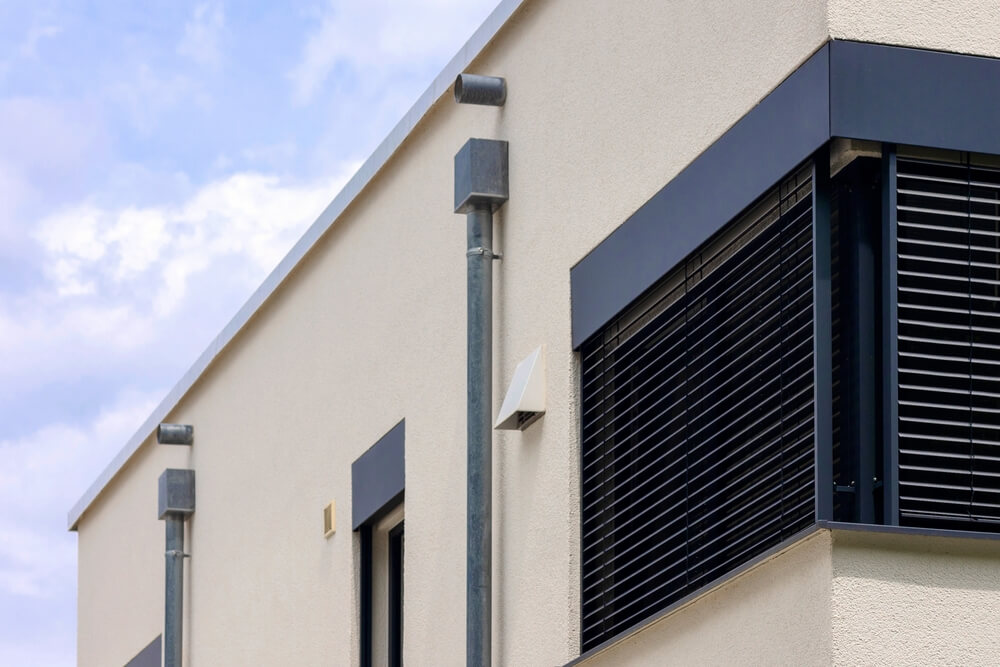
Commercial roof drainage systems play a major role in protecting a building from standing water and moisture damage. On many flat and low-slope commercial roofs, roof scuppers help move rainwater and melting snow off the roof and away from the building.
When a scupper becomes clogged, damaged, or begins pulling away from the roofing system, water can collect quickly. Catching these problems early can help prevent more extensive commercial roof repairs.
Water Pooling Near the Scuppers
One of the clearest signs of a problem is standing water around the scupper opening. Water should flow freely toward and through the scupper.
Pooling water may indicate debris inside the opening, poor drainage, damaged flashing, or deterioration around the surrounding roofing materials. If water remains on the roof long after a storm, the drainage system should be inspected.
Cracks or Damage Around the Scupper
Scuppers are exposed to changing temperatures, moisture, snow, ice, and normal building movement. Over time, cracks can develop around the opening or where the scupper connects to the roof membrane.
Even small openings can allow moisture to reach the roofing system or building structure.
Rust or Corrosion
Metal scuppers can eventually develop rust or corrosion, particularly when water repeatedly sits inside or around them.
Visible rust, deteriorating metal, or holes in the scupper are signs that repairs or replacement may be needed before drainage problems become more serious.
Water Stains on Exterior Walls
Problems with a roof scupper do not always appear on the roof itself. Look for water stains, discoloration, streaking, or moisture damage on exterior walls below the scupper.
These signs may indicate that water is not being directed properly away from the building.
Loose or Damaged Flashing
The area where the scupper penetrates the roof or wall must remain properly sealed. Damaged or separated flashing can allow water to enter behind the roofing system.
Loose materials, gaps, cracked sealant, or visible separation around the scupper should be addressed before moisture reaches the interior of the building.
Interior Leaks Near Exterior Walls
If water begins appearing inside the building near an exterior wall, the roof drainage system may be one of the areas that needs inspection.
A damaged scupper or surrounding flashing can allow water to travel behind walls and roofing materials before the leak becomes visible indoors.
Keep Your Commercial Roof Drainage System Working Properly
Scupper problems may look minor at first, but poor drainage can contribute to standing water, roof membrane deterioration, leaks, and damage to the building exterior.
Premier Restoration & Construction provides commercial roof inspections and repairs to identify drainage problems and address damaged roofing components before they lead to larger issues.
If you notice pooling water, damaged flashing, corrosion, or other signs of scupper trouble, contact Premier Restoration & Construction to schedule a commercial roof inspection.