- By tecmobeto
- Commercial Roofing, Maintenance
- 0 Comment
Commercial roofs don’t fail overnight. Most major problems — leaks, membrane failures, structural moisture damage — trace back to smaller maintenance issues that went unaddressed over months or years. Understanding what those issues are and where to look for them is the foundation of any effective commercial roof maintenance program.
Here’s a practical breakdown of the most common maintenance issues we find on commercial roofs across the Denver Metro Area.
1. Clogged or Damaged Drains and Scuppers
Flat and low-slope roofs depend entirely on functional drainage to move water off the surface. When drains become clogged with debris — leaves, dirt, gravel, bird nesting material — water backs up and ponds. Over time, ponding water accelerates membrane degradation and creates unnecessary structural load.
Scupper repair and drain clearing are among the simplest and most cost-effective maintenance tasks on any commercial roof. They should be performed at least twice per year — ideally in the fall before debris-heavy winter months and in spring before Denver’s hail and rain season begins.
2. Seam Failures and Membrane Separations
On TPO, EPDM, and modified bitumen systems, the seams where membrane panels overlap are the most vulnerable points on the roof. Heat, UV exposure, and thermal cycling cause these seams to expand and contract repeatedly over years — and eventually, they can begin to separate.
Seam failures don’t always leak immediately, but once a seam is compromised, water entry is a matter of time. Routine maintenance should include a visual inspection of all field seams and perimeter seams, with re-welding or re-sealing of any areas showing signs of lifting or separation.
3. Flashing Deterioration Around Penetrations
Every penetration on a commercial roof — HVAC units, exhaust vents, skylights, pipe boots — is sealed with flashing. Over time, that flashing corrodes, separates, or simply wears out. In Colorado’s climate, temperature swings between summer highs and winter lows cause metal flashing to expand and contract more aggressively than in more moderate climates.
Annual inspection of all roof penetrations and perimeter flashings is essential. Resealing or replacing compromised flashings is relatively inexpensive as a maintenance task — but if ignored, a single failed flashing can allow water infiltration that damages insulation, decking, and interior finishes.
4. Membrane Punctures from Foot Traffic
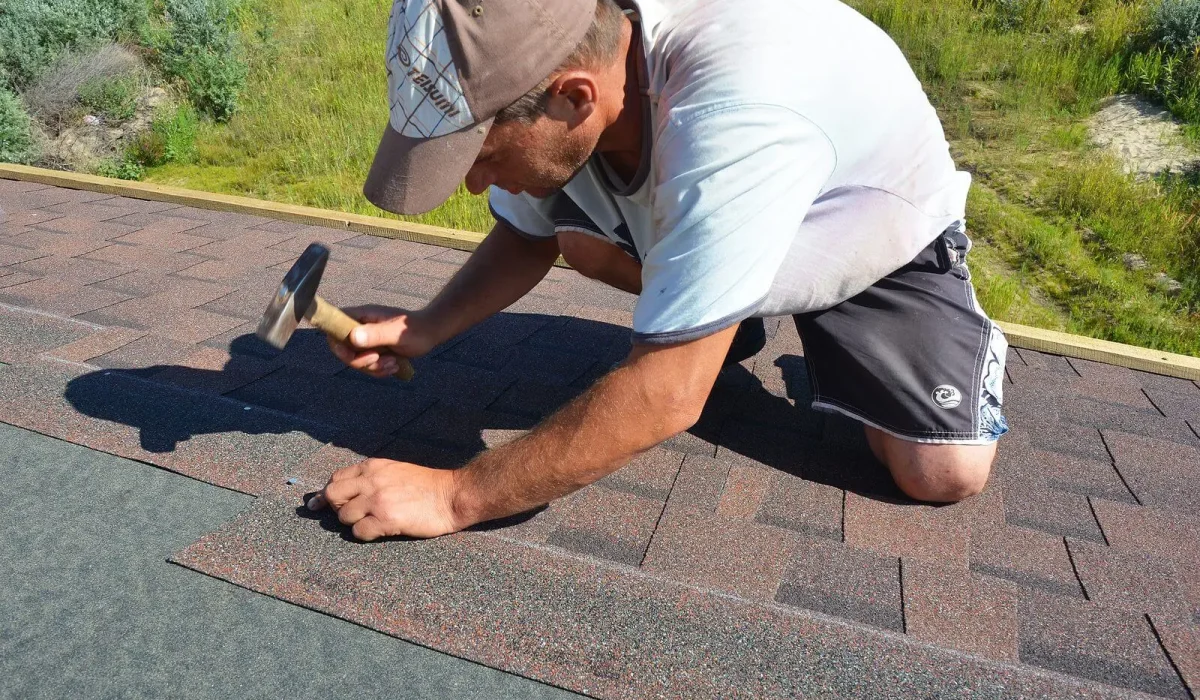
Commercial roofs take more foot traffic than most building owners realize — HVAC technicians, telecom equipment installers, maintenance staff. Without designated walk pads, repeated foot traffic on membrane roofing can cause punctures, abrasion, and accelerated wear.
This is both a maintenance issue (inspecting for and patching punctures) and a preventive design consideration (installing walk pads in high-traffic areas). At Premier, we note foot traffic concerns as part of every commercial roof inspection and recommend practical solutions.
5. Blistering and Bubbling
Blistering occurs when air or moisture becomes trapped between membrane layers or between the membrane and the substrate. It’s common on older built-up and modified bitumen systems, and also appears on improperly installed TPO or EPDM.
Small blisters don’t always require immediate action, but they should be documented and monitored. Large or spreading blisters indicate a more serious adhesion failure and should be addressed through commercial roof repair before they rupture and allow water entry.
6. Inadequate or Failed Roof Resealing
Over time, sealants used at flashings, transitions, and penetrations dry out, crack, and lose adhesion. Roof resealing is a routine maintenance task that is often overlooked — but it’s one of the most cost-effective ways to extend the life of a commercial roofing system.
A resealing program applied consistently every few years dramatically reduces the number of reactive repair calls a building generates. It’s a key component of any proactive maintenance plan.
7. Storm and Hail Impact Damage
Denver’s weather does real damage to commercial roofs — particularly hail, high winds, and the freeze-thaw cycles of late fall and early spring. After significant weather events, a reactive inspection is warranted to identify and document any damage before it worsens.
Reactive maintenance services are designed for exactly this scenario: rapid assessment and repair following a weather event to prevent small storm-related issues from becoming large structural problems.
The Right Maintenance Program Starts with a Good Inspection
Most of the issues above are inexpensive to fix when caught early and expensive when they aren’t. A consistent maintenance schedule — anchored by at least one professional inspection per year — is the most reliable way to control commercial roofing costs over time.
Premier offers commercial roof maintenance programs for building owners and property managers across Denver, Centennial, Littleton, Aurora, and the surrounding metro area. Start with a free roof inspection to understand exactly where your roof stands today.