

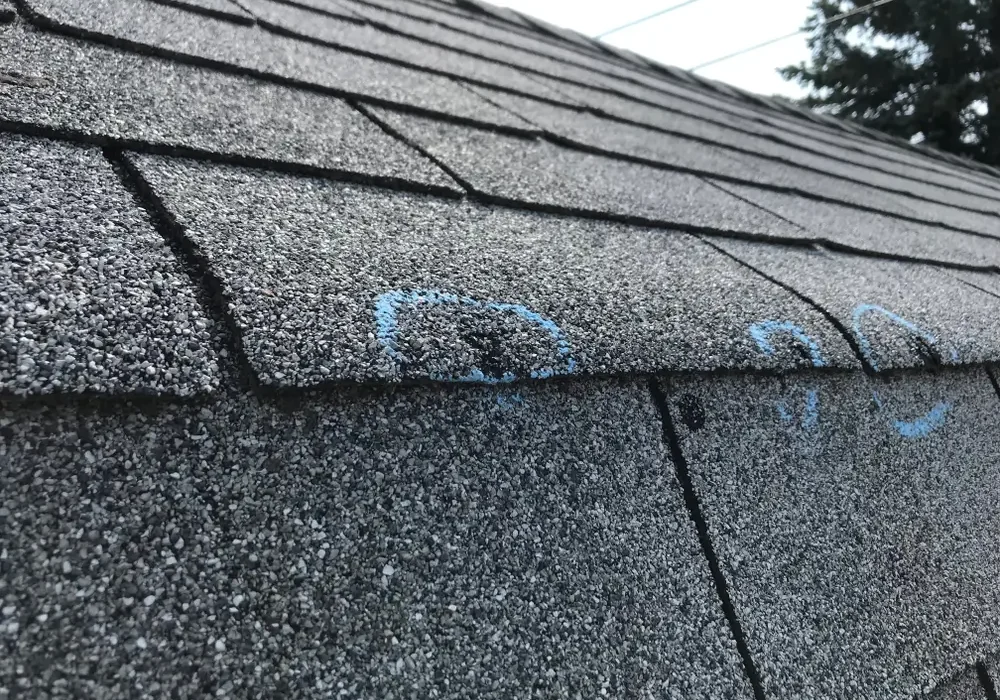
Colorado sits in the heart of “Hail Alley,” and the Front Range takes some of the most frequent and destructive hail in the country. One bad storm can bruise shingles, dent gutters, crack skylights, and quietly open the door to leaks and mold months later. The good news: if you act in the right order, you can protect your home, document everything your insurer needs, and get your roof restored with minimal out-of-pocket cost.
Here’s exactly what to do after a hail storm — step by step.
1. Wait for the storm to fully pass, then check for safety first
Before anything else, make sure it’s safe. Stay indoors until the storm clears completely. Once it’s calm, look for immediate hazards: downed power lines, broken glass, and standing water. If water is actively coming into your home, place buckets and move valuables, but do not climb onto your roof — wet, hail-battered surfaces are dangerous, and a professional inspection is far more reliable than a risky DIY climb.
2. Document everything (this protects your insurance claim)
Your insurance claim is only as strong as your documentation. Before any repairs, gather evidence:
- Photos and video of your roof (from the ground), gutters, downspouts, siding, windows, screens, AC unit, deck, and any interior water stains.
- The date and time of the storm — insurers cross-reference this against weather data.
- Hail size, if you can safely measure or photograph it next to a coin for scale.
- Receipts for any emergency measures you take (tarps, water removal).
Keep everything in one folder. This record becomes the backbone of your claim.
3. Look for the signs of hail damage
Hail damage isn’t always obvious from the ground — and that’s exactly why so much of it goes unaddressed until it becomes a leak. Common signs include bruised or dented shingles, granule loss (bald spots where the protective coating has been knocked off), dented gutters, downspouts and vents, cracked skylights, and dings on your siding or AC fins.
Because much of this damage is subtle, the most reliable way to know what you’re dealing with is a professional inspection. Our guide to Denver hail season and roof damage explains when these storms hit hardest and what the aftermath typically looks like.
4. Schedule a professional roof inspection
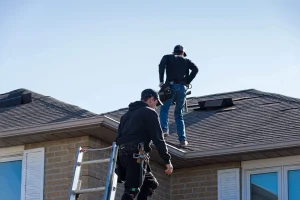
This is the single most important step. A trained inspector can tell the difference between cosmetic wear and true storm damage that qualifies for an insurance claim — and can spot problems you’d never see from the driveway.
Premier Restoration & Construction offers a free, no-obligation roof inspection across the Denver Metro area and Summit County. Our certified specialists assess everything from shingles to flashing to gutters and give you a clear, written overview of the damage and recommended repairs. Having this documented assessment before you file strengthens your claim and helps you avoid surprises later.
Tip: Book your inspection promptly. Colorado has time limits on filing hail claims, and fresh storm damage is easier to attribute to a specific event.
5. Understand your insurance policy before you file
Take a few minutes to review your homeowner’s policy so you know what you’re working with:
- Deductible — how much you’ll pay out of pocket before coverage kicks in.
- ACV vs. RCV — whether you’re covered for actual cash value (depreciated) or replacement cost value (full replacement). This makes a big financial difference.
- Filing deadline — the window you have to report storm damage.
If any of this is unclear, our Colorado roof insurance claims guide walks through the process step by step.
6. File your insurance claim
Once your inspection confirms qualifying damage, you can file with confidence. Contact your insurer, provide your documentation and inspection report, and they’ll assign an adjuster to evaluate your roof.
Here’s where many homeowners feel outmatched — the adjuster works for the insurance company, not for you. That’s why it pays to have a roofing professional present during the adjuster’s visit to make sure all legitimate damage is accounted for. We explain this in depth in 5 reasons to use a roofing company to navigate insurance claims.
7. Let a professional handle repairs or replacement
Depending on severity, your roof may need targeted repairs or a full replacement. Widespread hail impact — common in strong Denver storms — often warrants replacement to guarantee long-term protection.
Premier’s team handles residential hail damage repair and commercial hail repair using top-grade materials and proven methods that create a watertight barrier against future storms. We coordinate directly with your insurance throughout, so the process stays simple on your end.
8. Don’t wait — small damage becomes big damage
It’s tempting to ignore minor hail damage, especially if there’s no active leak. But Colorado’s freeze-thaw cycles and weather extremes turn small cracks into major problems fast. Water infiltration leads to rot, mold, and insulation damage — repairs far costlier than the original fix, and often no longer covered once the filing window closes.
How Premier helps you through every step
From the first inspection to the final shingle, Premier Restoration & Construction guides Colorado property owners through the entire post-hail process:
- Free, certified inspections that document damage properly.
- Insurance claim support — we know what adjusters look for and advocate for the full scope of legitimate repairs. Learn more on our insurance claims page.
- Expert repairs and replacement built to withstand the next storm.
If your home or property was hit by hail, don’t guess at the damage. Schedule your free roof inspection today and let our team handle the rest.
Frequently asked questions
How do I know if my roof has hail damage? Look for bruised shingles, granule loss, and dents in gutters or vents — but because much of the damage is hidden, a professional inspection is the only reliable way to know for sure.
Should I file an insurance claim for hail damage? If a storm hit your area, it’s usually worth having an inspection first. If the damage meets or exceeds your deductible, filing is typically the right call.
Can hail damage be repaired, or do I need a full replacement? Minor damage can often be repaired, but the widespread impact common in Colorado storms frequently calls for a full replacement to ensure lasting protection.
How long do I have to file a hail claim in Colorado? Filing windows vary by policy, so review yours promptly. The sooner you act, the easier it is to tie the damage to a specific storm.
Hit by hail? Get a free, no-obligation roof inspection. Premier Restoration & Construction serves the Denver Metro area and Summit County. 📞 303-773-6437 · Schedule your free inspection »