
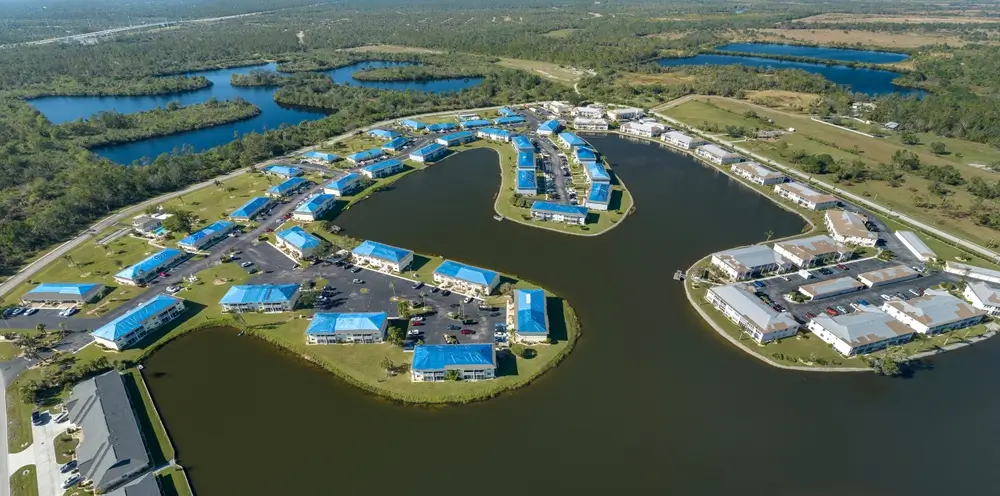
Multifamily roofing projects for apartment complexes, condominium communities, and HOA-managed properties involve much more than just shingles and nails. Unlike a single-family home, a multifamily roof replacement is a complex logistical operation. It requires a “safety-first” blueprint to protect hundreds of residents, their pets, and their property.
At Premier Restoration & Construction, we treat safety as a core service. From the first tear-off to the final magnetic sweep, here is how we maintain a secure environment during multifamily roofing projects across Denver and the Front Range.
Why Multifamily Roof Tear-Offs Demand Specialized Planning
A standard residential roof has one family to consider; a multifamily roofing project might have 50. The stakes are higher because these projects often involve:
- Constant Foot Traffic: Residents entering and exiting units throughout the day.
- Shared Assets: Overlapping parking lots, carports, and community mailboxes.
- Heightened Liability: Multiple crews working simultaneously near shared common areas.
Because of these factors, multifamily roof safety requires a structured management approach that inexperienced contractors often overlook.
Phase 1: Proactive Tenant Communication
The most effective safety tool isn’t a hard hat—it’s communication. Before our crews arrive, we ensure every resident understands the project scope to prevent “surprise” encounters with work zones.
Key Communication Touchpoints:
- Project Timelines & Work Hours: Knowing exactly when the noise starts and ends.
- Parking Restrictions: Clear maps showing which stalls must be vacated for material staging.
- Pet Safety Recommendations: Reminding residents to keep pets indoors or on short leashes.
Whether through door hangers, email blasts, or community text alerts, we bridge the gap between the property manager and the tenant.
Phase 2: Protecting Residents During the Tear-Off
The “tear-off” phase—removing the old roofing material—is the most active part of the project. To keep residents safe, we establish “Safe Zones” using:
- Clearly Marked Perimeters: High-visibility fencing around debris drop zones.
- Controlled Access Points: Ensuring the main leasing office or building entrances remain clear and overhead-protected.
- Material Staging: Placing new shingles and TPO rolls in areas that don’t block fire lanes or pedestrian paths.
Phase 3: Prioritizing Pet Safety
Pets are part of the family, and large-scale multifamily roofing can be stressful for them. The sound of nail guns and heavy machinery can lead to anxiety or accidental escapes. We encourage all residents to:
- Secure Balcony Access: Keep pets off balconies during active work to avoid stress or falling debris.
- Leash Up: Always use short leashes when walking near the building to prevent pets from investigating “shiny” debris like metal flashing scraps.
Phase 4: Advanced Debris Management & Cleanliness
A messy job site is a dangerous job site. In a multifamily environment, a single stray nail in a parking lot can lead to a flat tire—or worse, an injury to a resident or pet.
Our “Clean-As-We-Go” protocol includes:
- Catch-All Netting: Specialized systems that catch falling debris before it hits the landscaping.
- Magnetic Nail Sweeps: Performed multiple times daily across all walkways and parking areas.
- Daily Site Restoration: We don’t wait until the end of the week to clean up; we ensure the property is “resident-ready” every evening.
Phase 5: Weather Monitoring & Emergency “Dry-Ins”
Denver weather is famous for its afternoon monsoon cycles and sudden hail. During a multifamily roof tear-off, having an open building is a major risk. Our teams monitor live radar and maintain an Emergency Dry-In Kit on-site, allowing us to waterproof an exposed building in minutes if a storm rolls in.
Why Experience Matters for Your HOA or Apartment Complex
Choosing a contractor who understands the nuances of multifamily roofing protects more than just the building—it protects your reputation as a property manager. An experienced crew minimizes resident complaints, reduces liability, and ensures the project stays on schedule.
Multifamily Roofing Safety FAQ
Q: How do you handle parking during a multifamily roof replacement?
A: We work with property management to create a phased parking plan. Only the stalls directly adjacent to the active work zone are typically blocked, allowing the rest of the community to function normally.
Q: Will my tenants’ insurance premiums be affected by the construction?
A: Generally, no. In fact, installing high-quality, impact-resistant roofing can often lead to lower premiums for the HOA or property owner over time.
Q: How do you ensure nails don’t end up in the grass or playground?
A: We use industrial-strength magnetic rollers specifically designed for roofing sites. We sweep the entire perimeter—including grassy areas and “dog runs”—at the end of every workday.
Need a Safety-First Approach for Your Property?
Premier Restoration & Construction specializes in multifamily roofing across Denver and the Front Range. Whether you manage a high-rise apartment or a sprawling HOA, we bring the expertise needed to keep your residents safe.