
- By Premier Admin
- Waterproofing
- 0 Comment
Denver doesn’t give roofs an easy year. Hailstorms roll off the Front Range every summer, snow sits and melts and refreezes all winter, and the sun at 5,280 feet breaks down roofing materials faster than it does at sea level. Somewhere in that cycle, water finds its way in — through a cracked seam, a worn flashing detail, or a membrane that’s simply given up its ability to shed moisture.
Roof waterproofing is how you get ahead of that. This guide walks through what waterproofing actually is, how it’s different from a roof coating, what it costs, and how to know whether your home or your commercial building needs it now or can wait.
What Is Roof Waterproofing?
Roof waterproofing is the process of applying a material or system — a membrane, a sealant, or a liquid-applied coating — that creates a continuous, water-resistant barrier across your roof. Done correctly, it stops water from penetrating the roofing system at the points where it’s most likely to get in: seams, flashing, penetrations, and low spots where water pools.
Waterproofing isn’t a single product. Depending on the roof type and how it’s used, it can mean:
- Membrane waterproofing for flat and low-slope roofs, decks, and below-grade areas
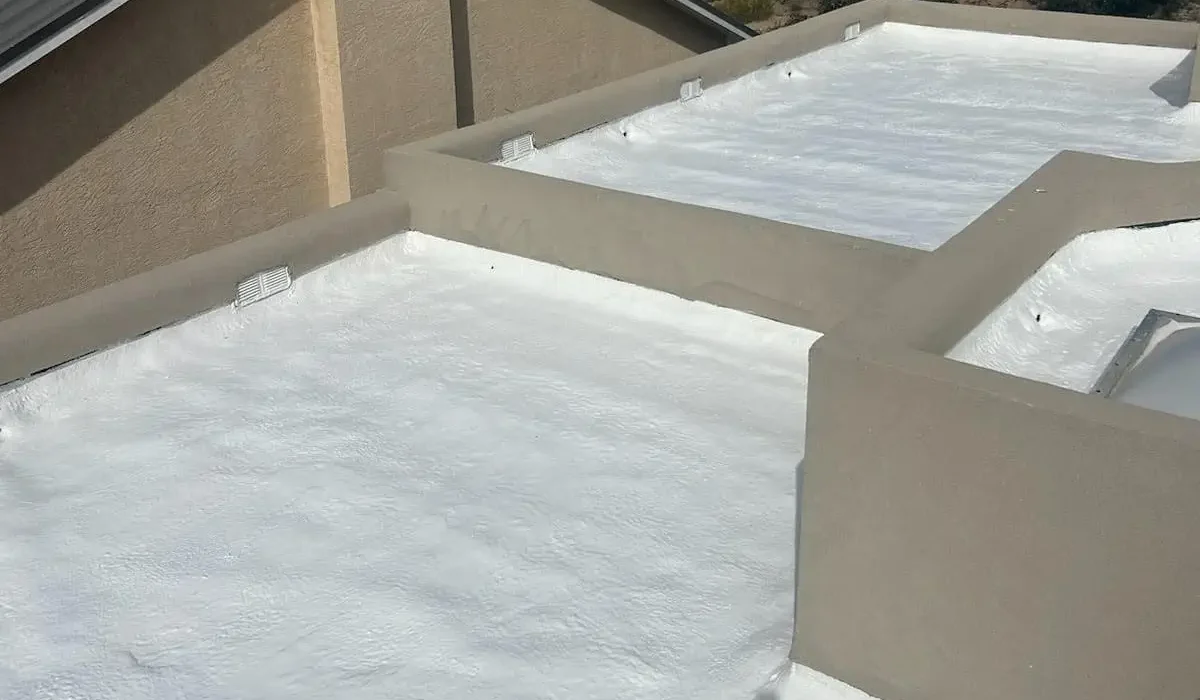
- Liquid-applied coatings that cure into a seamless, elastic membrane over an existing roof
- Sealants and flashing details at vulnerable transition points — chimneys, vents, skylights, parapet walls
- Underlayment systems installed beneath shingles or metal roofing on pitched residential roofs
For Denver properties specifically, roof waterproofing has to account for freeze-thaw cycling, intense UV exposure, and the kind of wind-driven rain and hail that shows up with almost no warning during storm season.
Why Waterproofing Matters More in Denver’s Climate
Colorado’s weather doesn’t just wear on a roof — it actively works against it in ways milder climates don’t experience. Temperatures can swing 40 degrees in a single day. Snow melts on a sunny afternoon, seeps into any small gap, and refreezes overnight, expanding and widening that gap a little more each cycle. Add in intense hailstorms and high-altitude UV, and small vulnerabilities become active leaks faster than most homeowners expect.
Our team has written in more detail about how Colorado’s weather extremes take a toll on your roof — it’s worth a read if you want the full picture of what your roof is up against year-round.
The upside: waterproofing is one of the most cost-effective ways to extend a roof’s life without a full replacement, whether you own a single-family home in Centennial or manage a commercial building in downtown Denver.
Residential vs. Commercial Roof Waterproofing
The principles are the same, but the application looks different depending on the property.
For homeowners, waterproofing usually focuses on:
- Flat or low-slope sections (additions, porch roofs, garages)
- Flashing around chimneys, skylights, and vents
- Underlayment beneath shingles or metal roofing
- Areas with a history of ice dam formation
For commercial and multifamily properties, waterproofing typically involves larger-scale systems:
- Liquid-applied membranes over TPO, EPDM, or modified bitumen roofs
- Waterproofing at scuppers, drains, and HVAC curbs
- Coating systems that double as waterproofing and reflective protection
- Waterproofing tied into a broader preventative maintenance program for large, low-slope roof surfaces
Multifamily properties in particular carry extra complexity — multiple roof sections, shared systems, and the need to minimize disruption to residents. If you manage an apartment complex or HOA community, our post on drone inspections for multifamily roofing in Denver covers how modern inspection technology helps identify where waterproofing is needed before a small issue becomes a widespread one.
Roof Waterproofing vs. Roof Coating: Not the Same Thing
This is one of the most common points of confusion we hear from both homeowners and property managers. Waterproofing and coating overlap, but they’re not interchangeable, and choosing the wrong one can mean paying for a fix that doesn’t solve your actual problem.
In short: waterproofing is primarily about stopping water intrusion, while coating is primarily about restoring and protecting an aging roof surface — though many modern coating systems do both. We break this down in full, including which one fits which situation, in our dedicated comparison post on roof waterproofing vs. roof coating.
How Much Does Roof Waterproofing Cost in Denver?
Costs vary widely depending on roof size, current condition, material choice, and whether you’re waterproofing a residential section or an entire commercial roof system. Factors that move the price include:
- Roof size and accessibility
- Current roof condition and amount of prep work needed
- Material selected (membrane type, coating system, sealant grade)
- Whether waterproofing is standalone or bundled with repair work
For a full cost breakdown with real ranges for both residential and commercial projects, see our post: How Much Does Roof Waterproofing Cost in Denver?
Signs You Need Roof Waterproofing Now
Some warning signs are obvious. Others show up as small annoyances long before they become expensive repairs. Watch for:
- Water stains on ceilings or interior walls
- Musty odors or visible mold near the roofline
- Ponding water that doesn’t drain within 48 hours on a flat or low-slope roof
- Cracked, blistered, or lifting membrane or flashing
- Granule loss or brittle shingles on a pitched roof
- Rising energy bills tied to moisture-damaged insulation
Commercial and multifamily property owners have an additional layer to watch for heading into storm season — we cover those specifically in Signs Your Commercial Roof Needs Waterproofing Before Colorado’s Storm Season. For a general overview of how roof damage develops and how to catch it early, our post on roof damage and how to prevent it is also a useful starting point.
How the Waterproofing Process Works
While every project is different, most roof waterproofing jobs follow a similar sequence:
- Inspection – A thorough evaluation identifies existing damage, weak points, and drainage issues before any material goes down.
- Repair and prep – Damaged decking, deteriorated flashing, or failed seams get addressed first. Waterproofing over unresolved damage doesn’t hold.
- Surface preparation – Cleaning and priming the roof surface so the waterproofing material bonds properly.
- Application – Membrane installation or coating application, built up to the manufacturer’s specified thickness.
- Detail work – Extra attention at penetrations, seams, parapet walls, and drainage points, since these are where failures almost always start.
- Final inspection – Confirming full coverage and proper curing before the project is signed off.
Why Work With a Local Denver Roofing Contractor
Roof waterproofing isn’t a one-size-fits-all product — it’s a system that has to be matched to your roof type, your building’s use, and Colorado’s specific climate stresses. A contractor without local experience may recommend a material or approach that performs fine in a milder climate but fails after one Denver freeze-thaw season.
Premier Restoration & Construction has worked on residential and commercial roofs throughout the Denver metro area, and we build every waterproofing recommendation around what actually holds up here — not a generic national spec sheet.
Get a Roof Waterproofing Evaluation
Whether you’re dealing with an active leak or just want to get ahead of storm season, the first step is a professional look at your roof’s current condition. Contact Premier Restoration & Construction to schedule an evaluation and get a straightforward recommendation on whether waterproofing, coating, or repair is the right fit for your property.